Centre Proposes Unique ID for EV Batteries: Overview
- The Union Ministry of Road Transport and Highways proposes Battery Pack Aadhaar Number (BPAN)—a 21-character unique ID for every EV battery pack.
- Tracks battery from raw material sourcing to manufacturing, usage, repurposing, and final disposal.
- Aims to enhance transparency, safety, environmental accountability, and efficient recycling.
- Supports extended producer responsibility, second-life applications (e.g., stationary storage), and circular economy.
- Stakeholder consultations are expected before finalization.
Centre’s BPAN Proposal: Unique ID for EV Batteries to Revolutionise Traceability
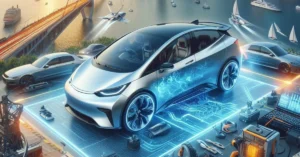
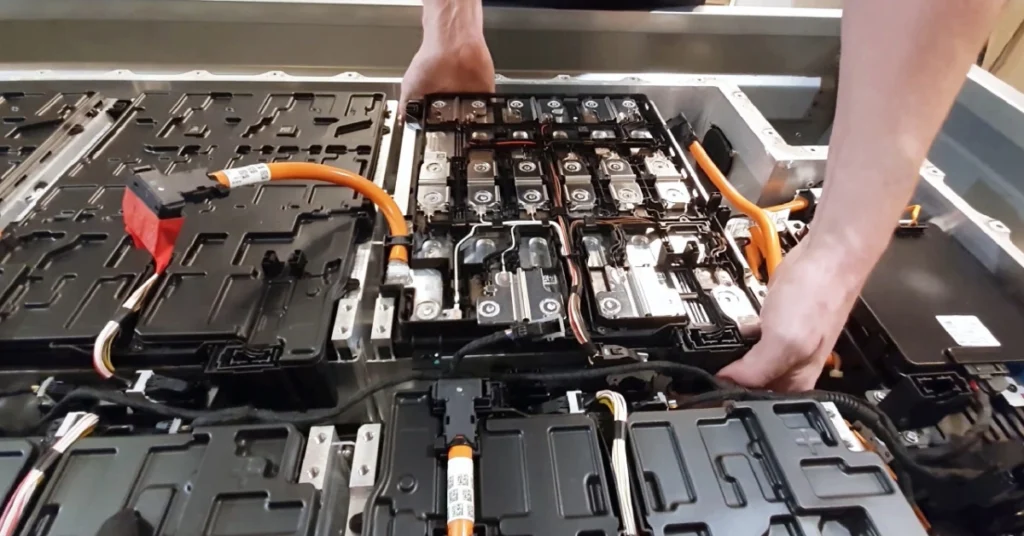
India’s electric vehicle ecosystem is set for a major upgrade in accountability and sustainability with the Union Ministry of Road Transport and Highways’ proposal for a Battery Pack Aadhaar Number (BPAN). This 21-character unique identifier would be mandatory for every electric vehicle battery pack, creating a digital trail from raw material sourcing and manufacturing through the entire lifecycle—including usage, ownership changes, repurposing, and final recycling or disposal.
The initiative addresses critical concerns as EV adoption surges: battery safety risks, environmental impact from improper disposal, and the growing need for responsible end-of-life management. By assigning each pack a permanent digital identity, regulators, manufacturers, recyclers, and even consumers can access verified data on origin, chemistry composition, performance history, and end-of-life status.
This comprehensive traceability is expected to:
- Discourage circulation of substandard or illegally recycled components.
- Enable efficient second-life applications like grid storage or renewable integration.
- Reduce reliance on virgin raw materials through better recycling rates.
- Strengthen extended producer responsibility (EPR) enforcement, holding manufacturers accountable beyond the vehicle’s sale.
The proposal aligns with India’s broader push for a circular economy in critical minerals and clean mobility goals.
How BPAN Would Work
The BPAN functions like a digital passport:
- Assigned at the manufacturing stage.
- Linked to a central database for real-time updates.
- Tracks key milestones: installation in vehicle, ownership transfers, performance metrics, and removal for repurposing/recycling.
- Accessible to authorized stakeholders for compliance and safety checks.
This standardized system would formalize India’s battery ecosystem, currently fragmented and rapidly expanding.
Why This Matters Now
With EV sales crossing millions annually and battery waste projected to rise sharply, proactive measures are essential:
- Safety: Quick identification of faulty batches.
- Environment: Prevent illegal dumping and promote proper recycling.
- Economy: Unlock value from second-life batteries and recycled materials.
- Policy: Support targets like higher recycling rates and mineral security.
The framework places special focus on vehicular batteries due to their scale and lithium/cobalt content.
Industry and Stakeholder Response
The ministry plans wide consultations before finalizing rules, balancing oversight with ease of compliance ease. Manufacturers welcome clarity for long-term planning, while recyclers see opportunities in formalized flows.
Environmental groups praise the move as a step toward responsible mining and waste reduction.
The Bigger Picture: Building a Sustainable EV Future
As India targets ambitious EV penetration and net-zero goals, innovations like BPAN show maturity in policy thinking. By treating batteries as traceable assets rather than disposable components, the system promotes accountability across the value chain.
From mine to second life, BPAN could set a global benchmark for battery stewardship—ensuring India’s EV revolution is not just fast but truly sustainable.
Source: newindianexpress.com
Read more about EV Car News
Also Read
- MG Windsor Big Discounts Jan 2026: First-Ever Offers Make It Cheaper Than Launch Price
- JSW Motors To Enter Passenger Car Space In June With Rs 45 Lakh Plug-In Hybrid SUV

- Maruti Suzuki Second Car Plant Gujarat Investment: ₹4,960 Crore for 10 Lakh Unit Capacity

- India’s EV Sales Reach 2.3 Million Units in 2025, 8 Percent of New Vehicles: Strong Growth Led by Two-Wheelers
- VinFast Off to a Fast Start, Crosses 1k EV Sales in India: Milestone in Just Four Months
- What Happens To EV Battery After End-Of-Life?