Image source: nbcnews.com
Trump Weaken Biden Vehicle Mileage Rules: Overview
- President Trump proposed weakening federal fuel-economy standards for light-duty vehicles, cutting required averages to 34.5 miles per gallon by 2031 from Biden’s 50.4 mpg target.
- The plan aims to lower car prices by about USD 1,000 and give consumers more choices, while easing burdens on automakers facing costly tech upgrades.
- Automakers like Ford and Stellantis praised the move for aligning with market realities, but environmental groups slammed it for boosting emissions, gasoline use, and air pollution.
- This rollback is part of broader efforts to undo Biden’s climate policies, including EV incentives, amid Trump’s criticism of electric vehicle pushes.
- Critics warn of billions more gallons of gas burned by mid-century, higher smog, and setbacks for companies investing in EVs and clean tech.
- Fuel standards, in place since the 1970s, have driven steady efficiency gains; opponents say this reversal will raise pump prices and delay green transport shifts.
Trump’s Bold Move to Ease Fuel-Economy Pressures on Automakers
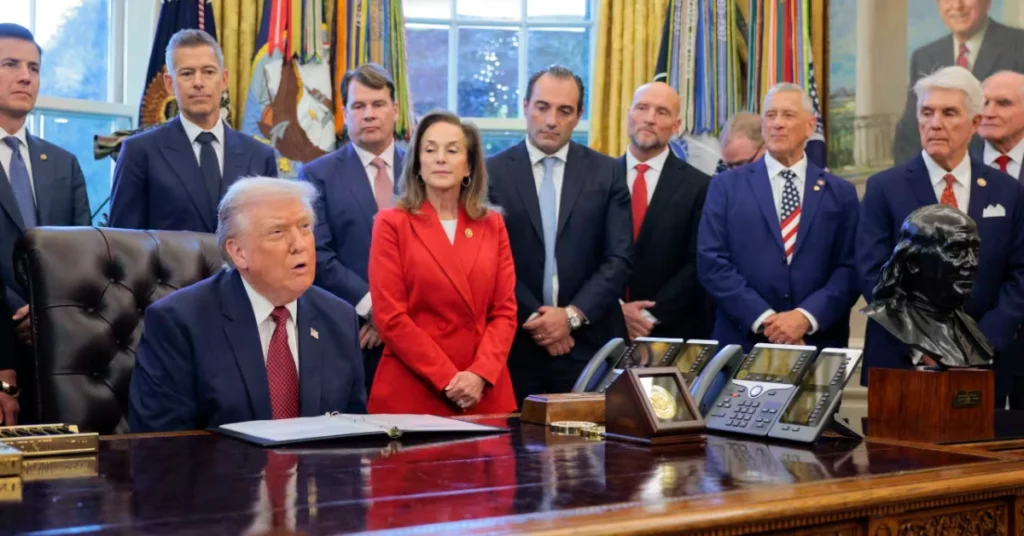
On December 4, 2025, President Donald Trump took a major step back from climate-focused regulations by announcing a plan to roll back strict vehicle mileage rules set during the Biden administration. These rules, known as Corporate Average Fuel Economy, or CAFE, standards, push car makers to build vehicles that get better gas mileage to cut down on pollution and oil use. Trump’s proposal would dial back the requirements a lot, making it easier for companies to meet them without big overhauls. This comes as part of his push to make cars cheaper and more varied for everyday buyers who still love traditional gas-powered rides.
The heart of the change targets light-duty vehicles, like sedans, SUVs, and small trucks that most people drive. Under the old Biden rules, automakers had to hit a fleet-wide average of about 50.4 miles per gallon by the 2031 model year. That is a tough goal that would have forced faster shifts to efficient engines, lighter materials, and more electric features. But Trump’s plan lowers that bar sharply to around 34.5 miles per gallon for the same time frame. This means slower progress on fuel savings, but it gives the industry breathing room to focus on what sells best right now. The proposal is set to get final approval next year, after public comments and reviews, so it could still face tweaks or legal fights.
Trump made his case clear during the announcement: these looser rules will drop the price tag on new cars by roughly USD 1,000 per vehicle. He said this puts money back in people’s pockets and opens up more options, from affordable family haulers to powerful pickups, without pushing pricey green tech on everyone. For families stretching budgets or rural drivers needing rugged rides, this could mean easier access to vehicles that fit their lives. It also fits Trump’s overall view that heavy regulations hurt American jobs and innovation in the auto sector, which employs millions and drives the economy.
Cheers from the Auto Industry: A Welcome Relief from Strict Mandates
Big car makers wasted no time in giving thumbs up to the proposal. They have complained for years that the Biden-era targets were too aggressive, forcing them to spend billions on tech that not all buyers want or can afford. Executives from Ford and Stellantis, two of the biggest players, called the new standards a smart match for real-world needs. They pointed out that it lets them keep cutting emissions steadily without cramming advanced, expensive features into every single model. For instance, instead of rushing hybrid systems into basic commuters, companies can roll them out where demand is high, like in luxury lines or city cars.
This support makes sense when you look at the industry’s challenges. Global supply chains are still shaky from past disruptions, and shifting to all-electric fleets takes huge upfront costs for factories, batteries, and training workers. The rollback lets automakers plan better, balancing fuel efficiency with safety upgrades and fun driving features that keep customers coming back. It could also prevent job cuts in plants focused on gas engines, keeping communities in states like Michigan and Ohio stable. Overall, the industry sees this as a win that keeps progress on cleaner cars going at a pace the market can handle.
Environmental Backlash: Fears of More Pollution and Lost Climate Ground
Not everyone is celebrating, though. Green groups and clean air advocates hit back hard, saying the plan is a big step backward for the planet and public health. They argue that weaker mileage rules will lead to dirtier air, more greenhouse gases, and a spike in gas guzzling that undoes years of hard-won gains. Federal estimates paint a grim picture: by mid-century, this could mean billions of extra gallons of gasoline burned each year, pumping out more carbon dioxide that heats up the Earth. On top of that, it would worsen smog and soot in cities, hitting kids, the elderly, and low-income areas hardest with breathing problems and higher medical bills.
Critics also worry about the ripple effects of the shift to electric vehicles. Many automakers, like General Motors and even some foreign brands, have poured money into EV plants and hired thousands for battery work, betting on a greener future. This rollback could slow that momentum, making it tougher to hit national goals for cutting transport emissions, which make up a big chunk of U.S. pollution. Plus, with gas prices likely to stay volatile, drivers might end up paying more at the pump in the long run, as inefficient cars burn through tanks faster. Groups like the Sierra Club called it a “gift to oil companies” that ignores science and the urgent need to fight climate change.
Bigger Picture: Dismantling Biden’s Green Legacy
This mileage rollback is just one piece of a larger Trump strategy to unwind Biden’s climate agenda. The administration has already targeted rules that boost EV sales through tax credits and charging networks, plus stricter tailpipe emissions for trucks and planes. Trump doubled down on his EV skepticism, saying most Americans stick with gas cars for their range and refueling ease. He noted there is no nationwide mandate for zero-emission sales, but states like California have set their own tough rules, aiming for all new cars to be electric or hybrid by 2035. Trump and Republican lawmakers have blocked or sued over many of these state plans, seeing them as overreach that hurts free markets.
The fight highlights deep divides: one side pushes for quick green tech to curb warming and create future jobs, while the other prioritizes short-term costs and consumer freedom. With court battles likely ahead, the final shape of these rules could shift, but for now, it signals a pivot away from aggressive climate action toward industry-friendly policies.
A Quick History of U.S. Fuel Standards and What Comes Next
Vehicle mileage rules kicked off in the 1970s after oil shocks showed how risky U.S. dependence on foreign fuel could be. Since then, they have steadily ramped up efficiency, helping cars go farther on less gas and slashing imports. Biden built on that with ambitious hikes tied to EV growth, but Trump’s changes reverse course, potentially stalling decades of progress. Opponents warn this could lock in old habits, making it harder to adapt to a warming world with rising seas and wild weather.
Looking ahead, the proposal heads to a rev
iew process where stakeholders can weigh in. Automakers might push for even more flexibility, while greens gear up for lawsuits. Consumers could see cheaper cars soon, but at what cost to air quality and the climate? This debate will shape how America drives into the 2030s, balancing jobs, innovation, and the planet.
Source: indiatoday.in
Read more about EV Car News
Also Read
- MG Windsor Big Discounts Jan 2026: First-Ever Offers Make It Cheaper Than Launch Price
- JSW Motors To Enter Passenger Car Space In June With Rs 45 Lakh Plug-In Hybrid SUV
- Maruti Suzuki Second Car Plant Gujarat Investment: ₹4,960 Crore for 10 Lakh Unit Capacity

- India’s EV Sales Reach 2.3 Million Units in 2025, 8 Percent of New Vehicles: Strong Growth Led by Two-Wheelers
- VinFast Off to a Fast Start, Crosses 1k EV Sales in India: Milestone in Just Four Months
- What Happens To EV Battery After End-Of-Life?