Tata Motors EV Boom Vision: 2030 Projections & Strategy Snapshot
- Market Growth: India’s EV share jumped from 2.5% to 5%+ of new sales in one year; Tata eyes nearly 1/3 of its sales as EVs by 2030.
- Sales Forecast: Over 650,000 EV units sold annually by 2030 (BNEF); Tata targets 45-50% market share with expanded lineup.
- Cost Parity: EVs to equal petrol car prices by 2030, offering ~400 km range; current gap: EVs 25-30% pricier with <300 km range.
- Tech Drivers: Merge power/control systems into single modules; shift from separate lithium-ion cells to integrated packs for efficiency/cost cuts.
- Competition: Tata’s share dipped from 59% to 35% in the first 8 months of 2025; rivals are JSW MG (30%) and Mahindra (22.6%).
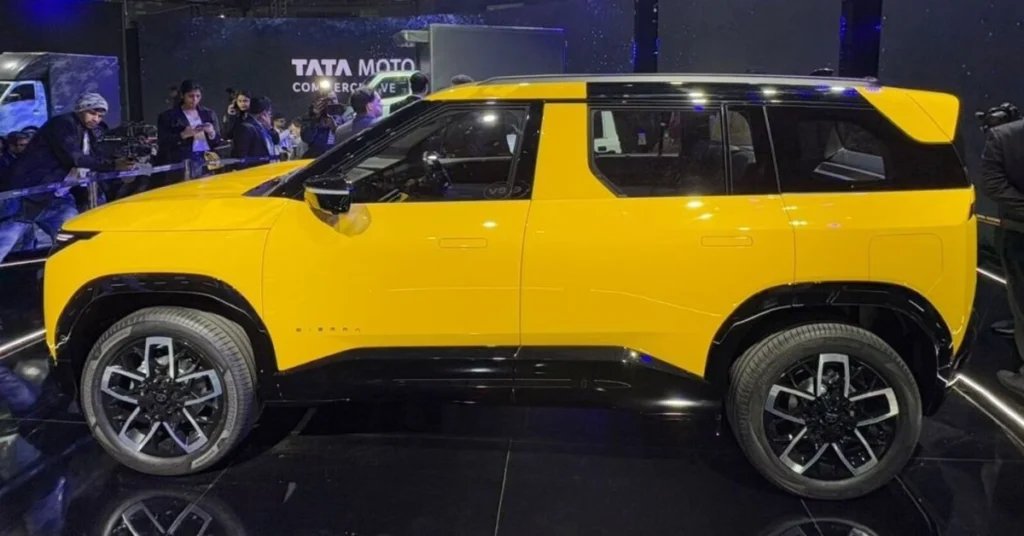
- Upcoming Products: Tata Sierra EV launch in early 2026; premium/mass-market expansion across categories.
- Challenges: Hybrids are gaining on charging infra gaps; recent petrol car tax cuts add pressure.
- CEO Quote: Shailesh Chandra: “What used to be multiple separate parts are now being merged into single units… driving down costs.”
Tata Motors Charts India’s EV Revolution: Affordable Tech to Bridge Price Gap by 2030, Sierra EV Leads the Charge
India’s electric vehicle odyssey is accelerating, and Tata Motors is firmly at the wheel, forecasting a seismic shift where EVs will cost the same as petrol counterparts by 2030 while delivering robust 400 km ranges. Speaking at the Times Now Summit in Mumbai on November 26, 2025, Shailesh Chandra, CEO of Tata Motors Passenger Vehicles, painted a vivid picture of low-cost innovations fueling this boom, as reported by The Economic Times. With India’s EV market share surging from 2.5% to over 5% in just one year, Tata—the segment frontrunner—eyes nearly a third of its sales going electric by decade’s end, backed by BNEF projections of 650,000+ annual units.
The Price Parity Promise: From 25-30% Premium to Zero Gap
Today, entry-level EVs command a 25-30% markup over petrol siblings, often skimping on 300 km ranges that leave range anxiety in the dust. But Chandra envisions a game-changer: “By 2030, entry-level EVs will match gasoline cars on price while offering around 400 kilometers.” The secret sauce? Ruthless integration: “What used to be multiple separate parts are now being merged into single units… driving down costs.” Lithium-ion cells evolve into compact modules blending power electronics and controls, slashing complexity and bills—a nod to Tesla, VinFast, and Chinese disruptors who’ve already halved battery prices in five years.
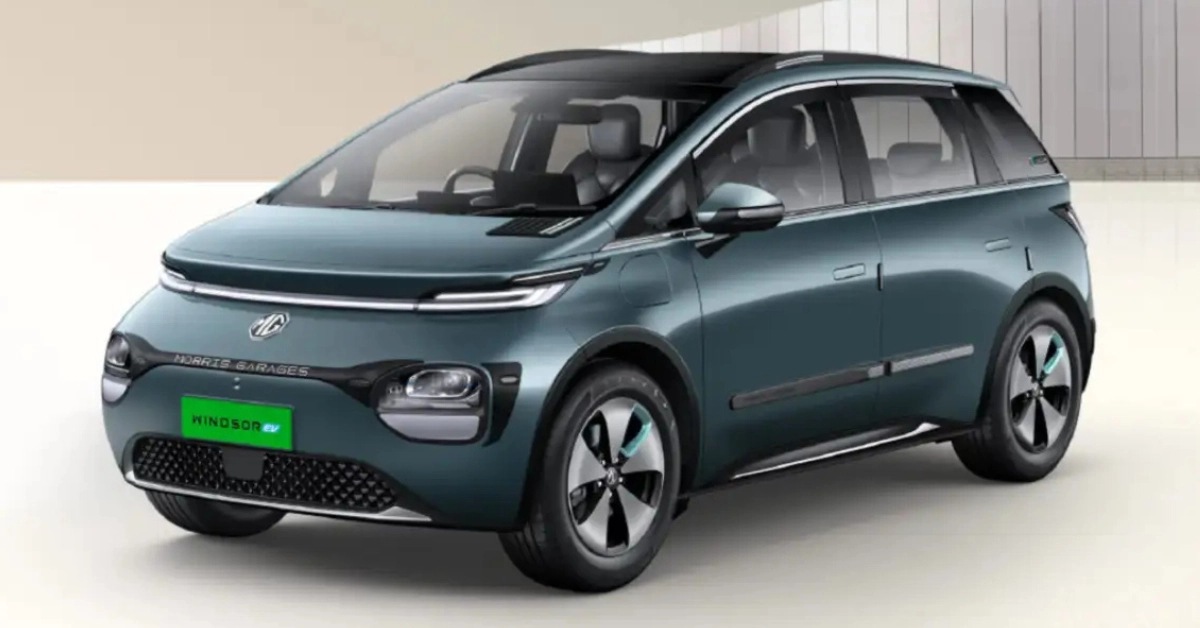
This isn’t pie-in-the-sky; it’s patterned on global trends. As subsidies like FAME-III wane, competition from JSW MG (30% share) and Mahindra (22.6%) sharpens the edge, with Tata’s slice dipping from 59% to 35% in FY25’s first eight months. Hybrids loom as rivals, thriving on spotty charging nets, but recent petrol tax cuts (September 2025) underscore the urgency for pure EVs to close the affordability chasm.
Tata’s Playbook: Sierra EV and a 45-50% Share Ambition
Tata isn’t waiting idly. The upcoming Tata Sierra EV, slated for an early 2026 reveal, spearheads a premium-to-mass blitz across SUVs, sedans, and beyond—blending iconic design with next-gen batteries for 500+ km sprints. Chandra stressed ecosystem building: “A set of competitive products from multiple brands builds confidence in the category.” With 45-50% market share in sight, Tata’s Harrier EV, Curvv EV, and Nexon EV siblings form a formidable phalanx, localized at Pune and Sanand plants to hit 90%+ indigenization.
This strategy rides India’s infrastructure tailwinds: the ₹111 lakh crore NIP fueling EV infra, state incentives, and urban mandates. Challenges persist—charging deserts in Tier-2 towns, supply chain snarls—but Tata’s vertical integration (from JLR batteries to Indica-era EVs) positions it as the volume vanguard.
The Bigger Horizon: A Tipping Point for India’s Green Shift
By 2030, EVs could claim 30% of sales, per government targets, with Tata leading the charge toward parity. Chandra’s optimism echoes: low-cost tech isn’t hype; it’s happening, module by module. As Economic Times captured, “Tata Motors sees low-cost tech powering India’s EV boom.” In a nation of 1.4 billion wheels, this could mean cleaner skies, cheaper commutes, and Tata’s throne solidified.
Source: economictimes.indiatimes.com
Read more about EV Car News
Also Read
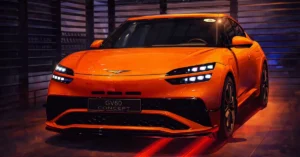
- Genesis GV60 Magma Debut: First High-Performance Electric Vehicle Revealed at CES 2026
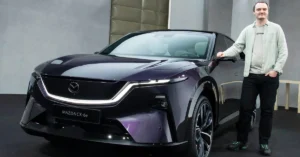
- Mazda CX-6e Electric SUV Debuts at Brussels Motor Show: Premium Compact EV Revealed
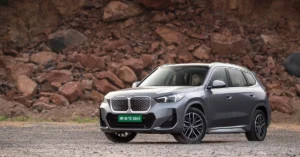
- BMW to Launch Three New EV Models in India to Boost Sales: Targeting 25% EV Share in 2026
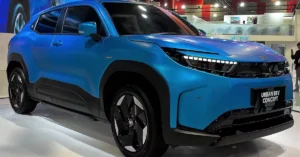
- Toyota Urban Cruiser EV India Launch On January 19th: Specs, Features, and Expected Pricing
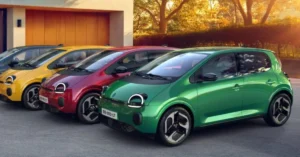
- Renault Twingo E-Tech Electric Debuts at Brussels Motor Show: €19,490 Affordable City EV
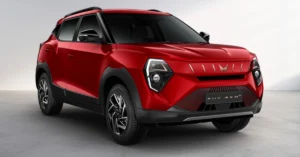
- Mahindra XUV 3XO EV Launched At Rs 13.89 Lakh: Full Specs, Features, and Segment-Beating Performance
Catchy Single-Line Title for Image Text:
“Tata’s EV Prophecy: Price Parity by 2030 – 400 km Range Matches Petrol Costs!”