Image source: autocarindia.com
Private Electric Cars May Soon Run as Shared Taxis: Overview
- The Delhi government discusses allowing privately owned electric vehicles to operate as shared taxis via aggregators like Ola, Uber, and Rapido.
- Meeting chaired by CM Rekha Gupta with cab firms and manufacturers (Tata, Mahindra, Maruti, Toyota, and Honda).
- Aggregators are ready to launch shared rides and women-driven services within a month.
- Need to amend rules for private EVs/BS-VI vehicles to legally function as taxis; safety compliance assured.
- Focus on congestion reduction, shared mobility (shuttles on Ring Road and airport routes), and integrating e-rickshaws.
Private EVs Poised to Join Delhi’s Shared Taxi Fleet: Govt Signals Rule Changes Ahead
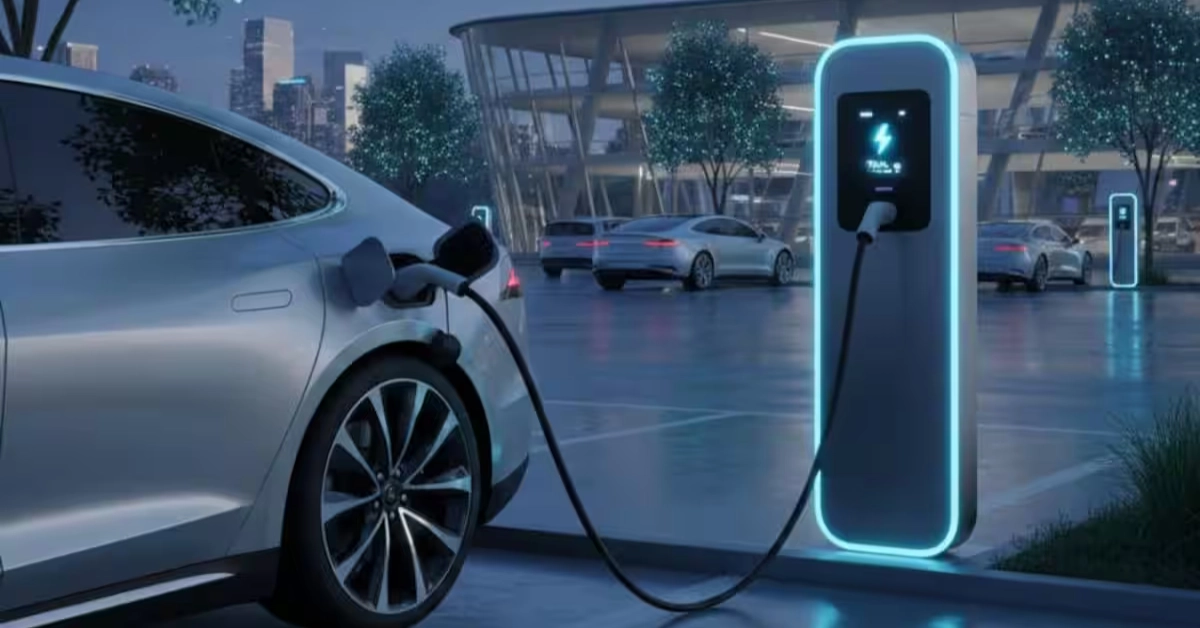
Delhi is exploring a transformative idea to boost shared mobility and electric vehicle adoption: allowing privately owned electric cars to operate as taxis through app-based aggregators. The proposal gained momentum during a high-level meeting chaired by Chief Minister Rekha Gupta, attended by representatives from major cab platforms like Ola, Uber, and Rapido, as well as vehicle manufacturers including Tata Motors, Mahindra, Maruti Suzuki, Toyota, and Honda.
Aggregators expressed readiness to launch shared taxi services within the next month, including dedicated women-driven rides to enhance safety and inclusivity. They confirmed willingness to onboard private electric vehicles and BS-VI compliant cars, but highlighted the need for regulatory amendments to permit private non-commercial vehicles to function legally as taxis.
CM Gupta responded positively, assuring that the government is open in principle to necessary rule changes in the coming days, while emphasising strict adherence to passenger safety standards. Companies committed to full compliance as a precondition.
The discussion also covered innovative shared mobility options:
- Shuttle-style services on high-traffic corridors like Ring Road and airport routes to reduce single-occupant congestion.
- Integration of e-rickshaws into aggregator platforms for last-mile connectivity.
Gupta stressed that curbing transport-related pollution requires a decisive shift toward shared and electric options.
Key Discussion Points from the Meeting
The meeting focused on practical steps for cleaner, less congested roads:
| Topic | Details |
|---|---|
| Private EVs as Taxis | Aggregators ready; rule amendments needed |
| Women-Driven Services | Planned launch to improve safety |
| Shared Mobility Ideas | Shuttles on Ring Road, airport routes, and e-rickshaw integration |
| Manufacturer Input | Need stronger charging infrastructure and a people-centric EV policy |
| Govt Response | Facilitate land for charging; renewable energy, battery waste focus |
Manufacturers requested enhanced charging networks and supportive policies, with the government offering land facilitation and calling for sustainable practices.
Why This Proposal Matters
Delhi’s roads face severe congestion and pollution from high private vehicle usage. Allowing the private EVs as shared taxis could:
- Increase vehicle utilisation, reducing overall numbers on roads.
- Make EV ownership more financially viable through additional income.
- Boost women’s participation in the gig economy with safer options.
- Accelerate electrification by leveraging existing private EVs.
The women-driven initiative addresses safety concerns, a key barrier for female passengers in app cabs.
Challenges and Next Steps
Regulatory hurdles remain the immediate bottleneck—current rules restrict commercial operations to registered taxis. Aggregators have been asked to submit timelines for city-wide coverage, suggesting a pilot phase soon.
Infrastructure gaps (charging, grid capacity) were raised, with the government pledging support.
The Bigger Picture: Shared Mobility as Pollution Solution
CM Gupta’s emphasis on shared options reflects a multi-pronged approach: incentives for EVs, integration of diverse modes (cars and e-rickshaws), and demand management to ease traffic.
As Delhi battles winter smog and year-round congestion, policies promoting shared electric rides offer a practical path—cleaner air, fewer cars, and empowered drivers.
With aggregators geared up and the government receptive, Delhi could soon see private electric cars doubling as eco-friendly shared taxis.
Source: hindustantimes.com
Read more about Ev Car News
Also Read
- MG Windsor Big Discounts Jan 2026: First-Ever Offers Make It Cheaper Than Launch Price
- JSW Motors To Enter Passenger Car Space In June With Rs 45 Lakh Plug-In Hybrid SUV
- Maruti Suzuki Second Car Plant Gujarat Investment: ₹4,960 Crore for 10 Lakh Unit Capacity

- India’s EV Sales Reach 2.3 Million Units in 2025, 8 Percent of New Vehicles: Strong Growth Led by Two-Wheelers
- VinFast Off to a Fast Start, Crosses 1k EV Sales in India: Milestone in Just Four Months
- What Happens To EV Battery After End-Of-Life?