Image source: forbes.com
Norway EV Market Share Overview
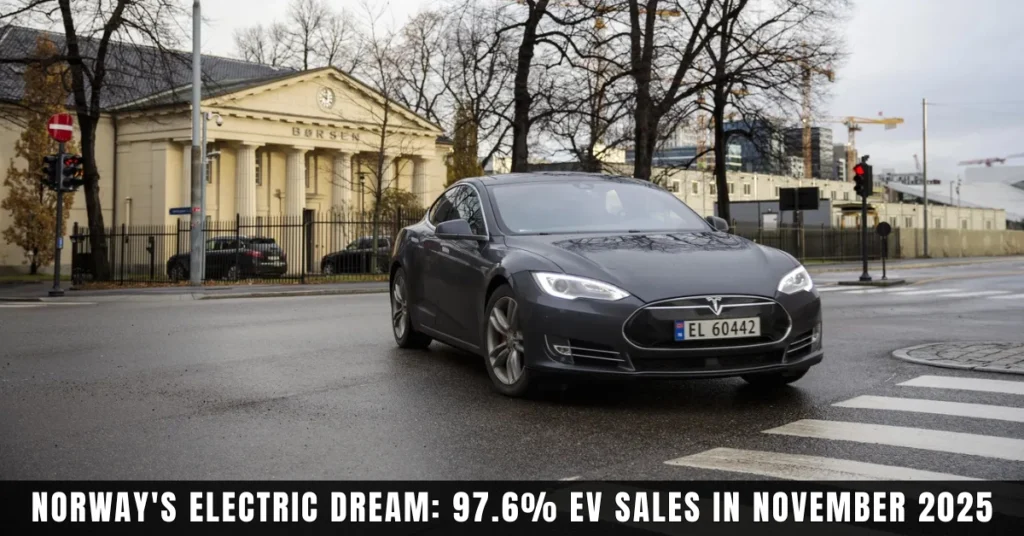
- Norway achieved a stunning 97.6% EV market share in November 2025, with 19,427 electric vehicles registered out of all new passenger cars.
- Only 2.4% were petrol, diesel, or hybrid, each under 1%, making EVs the clear default choice.
- Tesla dominated with a 31.2% share and 6,215 registrations, led by the Model Y (3,648) and Model 3 (2,562).
- Record-breaking month driven by upcoming tax changes, discounts, better supply, and economic recovery.
- Success built on decade-long incentives like tax exemptions, free parking, bus lanes, and widespread charging infrastructure.
Norway’s Jaw-Dropping November: 97.6% of New Cars Are Fully Electric
In a month that feels like the future has already arrived, Norway smashed its own records in November 2025 by registering 19,427 electric vehicles, accounting for an incredible 97.6 percent of all new passenger car sales. That leaves just 2.4 percent for everything else—petrol, diesel, and hybrids—with each of those powertrains grabbing less than 1 percent of the market. In simple words, if you walked into a Norwegian showroom last month and bought a new car, chances are overwhelming that you drove home in a silent, zero-emission EV. The Norwegian Road Traffic Information Council (OFV) proudly called it a record-breaking month, not just for the sky-high EV share but also for the sheer volume of sales, making it the strongest month of 2025 and one of the best in the country’s automotive history.
This near-total shift to electric did not happen by accident. It is the payoff of years of smart policies that made EVs cheaper and more convenient than traditional cars. For families, commuters, and even fleet buyers, choosing an EV has become the obvious, hassle-free option. November’s numbers show the tipping point has been crossed: the internal combustion engine is now the rare exception in new car registrations, not the rule.
Tesla Rules the Roost in Norway’s Electric Wonderland
No surprise at the top—Tesla absolutely dominated the market with a massive 31.2 percent share, registering 6,215 new vehicles in November alone. That means roughly one in every three new cars on Norwegian roads last month had a Tesla badge. The American brand has been a favorite here for years, and 2025 is shaping up to be its best ever. With 28,606 vehicles already registered year-to-date, Tesla has blown past its previous annual record of 26,641 set in 2023. A solid December could easily push it over 30,000 for the year.
The Tesla Model Y was the undisputed king of the charts, with 3,648 units sold, followed closely by the refreshed Model 3 at 2,562 registrations. Together, these two affordable yet premium models grabbed a huge chunk of the market, proving buyers love their range, tech, and sleek design.
a betterBut Tesla was not alone. European brands fought hard for the remaining spots in the top ten. The Volvo EX40 scored 916 registrations, the Volkswagen ID.4 grabbed 892, and the Volkswagen ID.7 added 780. The compact Volvo EX30 logged 774 units, while the new Ford Explorer (508) and Skoda Elroq (486) rounded out the list. Shoppers had plenty of choices across crossovers, SUVs, and practical family haulers from American, European, and even Chinese-backed brands, ensuring no one feels stuck with just one option.
What Sparked This Record-Breaking Surge?
Several timely factors came together to supercharge November sales. First, buyers rushed to beat anticipated tax changes in 2026 that could make EVs slightly more expensive. With the government budget still under discussion and the minimum tax deduction unclear, many decided to lock in today’s generous deals rather than risk higher costs later.
Car makers sweetened the pot with attractive discount campaigns and finally delivered a better supply of popular, more affordable models. Long waiting lists that frustrated buyers earlier in the year have shortened, bringing more people into showrooms. A gradual economic recovery also helped families feel confident about big purchases again. The result? Many brands saw huge jumps compared to earlier months, and the overall market boomed in both EV share and total volume.
How Norway Turned EVs into the Default Choice
Norway’s success story is a masterclass for the world. For over a decade, the government has offered rock-solid incentives that flip the usual cost equation. EVs enjoy full exemption from purchase taxes that can add tens of thousands to petrol or diesel cars. Drivers pay lower or zero road tolls, can use bus lanes during rush hour in many cities, and park for free or at a discount in municipal spots. These perks save real money and time every single day.
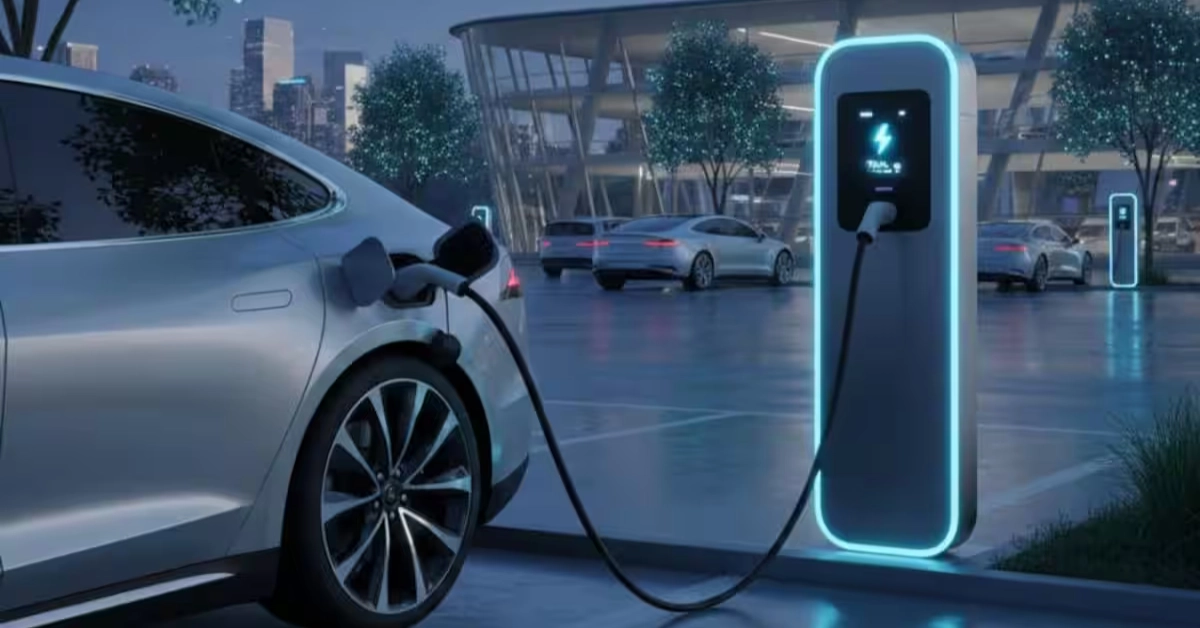
Charging is never a worry either. Fast chargers line major highways for weekend trips to the fjords, while AC chargers are everywhere—at homes, workplaces, and shopping centers. Even in cold winters with snow and ice, EVs perform reliably, and owners rarely think twice about range. The infrastructure grew hand-in-hand with EV adoption, removing the biggest barrier for new buyers.
Chinese brands like BYD, MG, and XPeng are gaining ground fast in 2025, especially in the mid-size SUV segment, where they offer great value and solid range. While they did not crack November’s top ten, their volumes are climbing steadily, giving buyers even more budget-friendly options without sacrificing quality.
Lessons for the Rest of the World
Norway’s November 2025 results send a clear message: when long-term incentives, strong charging networks, and a wide range of models all align, EVs become the natural choice for nearly everyone. It took consistent political commitment and public investment, but the payoff is huge—cleaner air, lower noise, reduced oil imports, and a thriving market for green tech jobs.
For countries lagging behind, the path is proven: make EVs cheaper to buy and easier to live with than fossil-fuel cars. Norway is living proof that once the switch happens, there’s no going back. As one OFV spokesperson put it, the internal combustion engine has gone from default to rare in new car showrooms—and buyers could not be happier.
Source: cartoq.com
Read more about Ev Car News
Also Read
- MG Windsor Big Discounts Jan 2026: First-Ever Offers Make It Cheaper Than Launch Price
- JSW Motors To Enter Passenger Car Space In June With Rs 45 Lakh Plug-In Hybrid SUV

- Maruti Suzuki Second Car Plant Gujarat Investment: ₹4,960 Crore for 10 Lakh Unit Capacity

- India’s EV Sales Reach 2.3 Million Units in 2025, 8 Percent of New Vehicles: Strong Growth Led by Two-Wheelers
- VinFast Off to a Fast Start, Crosses 1k EV Sales in India: Milestone in Just Four Months
- What Happens To EV Battery After End-Of-Life?