NMMC EV Charging Launch: Phase 1 Expansion Snapshot
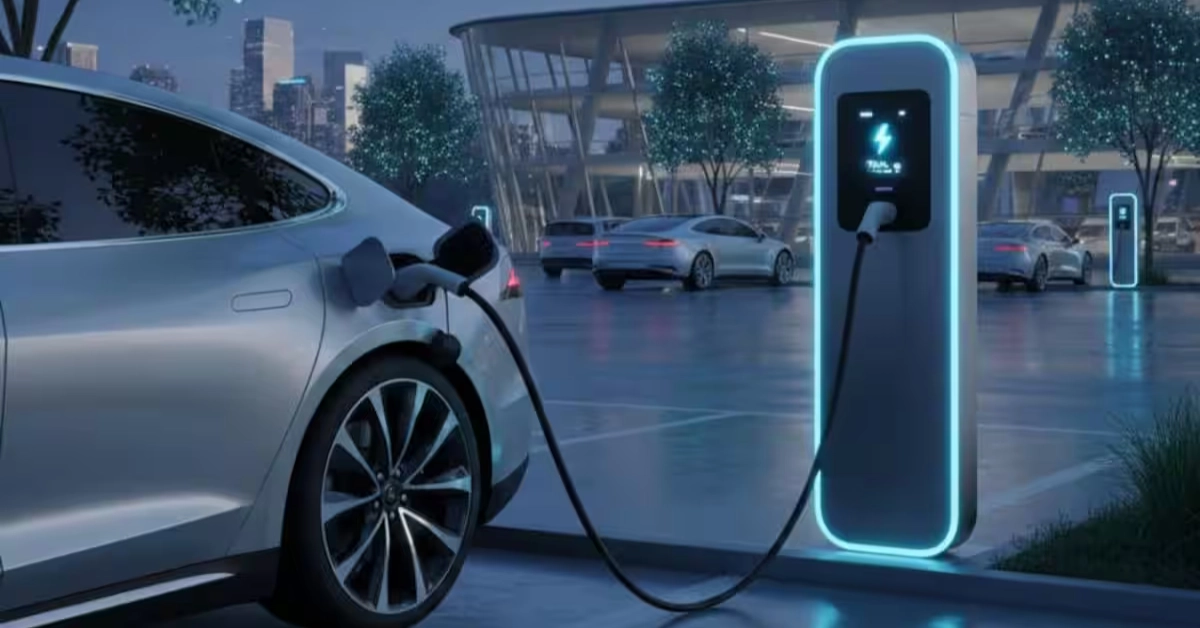
- Total Stations: Eight public EVCS—four in Zone 1, four in Zone 2—delivering 48 charging points combined.
- Strategic Sites: Near parking hubs, malls, offices, parks, transit terminals, and high-traffic communities—equitable access in residential/commercial/transit zones.
- PPP Framework: Private partners handle install/ops/maintenance; NMMC gets ₹4/kWh revenue share + ad revenue cut; potential kiosks/vending.
- Funding Boost: ₹2 crore from the 15th Finance Commission for air quality—the first-phase backbone for a broader network.
- Location Science: Grid/cluster analysis for max impact; long-term vision: 24 clusters, 143 points citywide (land-dependent).
- Sustainability Win: Aids India’s 30% EV penetration by 2030; cuts emissions, boosts air quality, and promotes eco-commuting.
- Timeline: Operational in coming months; Phase 1 data shapes Zones 3+ expansions.
Navi Mumbai’s Green Grid Takes Off: Eight EV Stations Signal City’s Clean Mobility Leap
The Navi Mumbai Municipal Corporation (NMMC) is charging ahead with sustainable urban transport, unveiling plans for eight new public EV charging stations as the cornerstone of Phase 1 in its ambitious electrification drive. This initiative, spotlighted by EV Mechanica on November 20, 2025, isn’t just infrastructure—it’s a blueprint for accessible green mobility, tackling range anxiety head-on in a city of 1.1 million where EV adoption is surging amid Maharashtra’s 10%+ penetration push.
Zone-Wise Deployment: Equitable Coverage for Urban Pulse Points
To ensure no corner lags, NMMC’s rollout splits evenly: Four stations in Zone 1 (covering core residential belts like Ghansoli and Koparkhairne) and four in Zone 2 (hitting commercial hotspots like Vashi and Nerul), yielding a robust 48 charging points total. These aren’t random dots—they’re precision-placed via scientific grid and cluster mapping, zeroing in on high-utilization spots: multilevel parking decks for daily commuters, mall forecourts for shoppers, office clusters for white-collar fleets, verdant parks for leisure breaks, bustling bus/metro terminals for intermodal hops, and vibrant community nodes for neighborhood access.
This thoughtful zoning democratizes EV convenience, bridging metro sprawl with suburban needs—think a quick top-up at Belapur’s CBD Belapur station before the afternoon grind, or a family charge at Seawoods Grand Central mall en route to weekend errands.
PPP Powerhouse: Revenue Streams Fuel Sustainable Scale
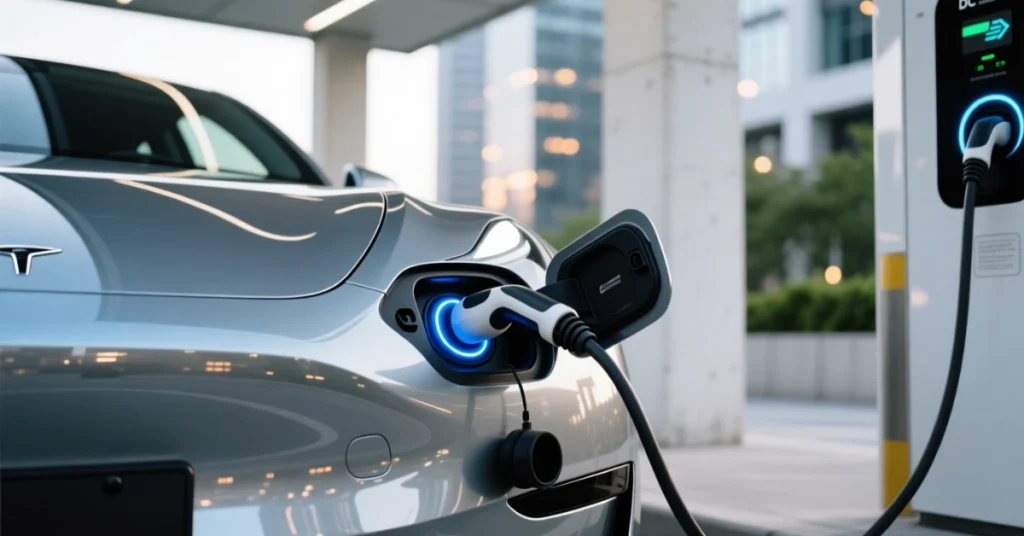
Gone are the days of civic solo-funding; NMMC’s savvy public-private partnership (PPP) model ropes in energy/infra heavyweights for seamless execution. Private players foot the bill for installation, day-to-day ops, and upkeep—from fast DC bays to AC slow chargers—while NMMC pockets a steady ₹4 per kWh fixed revenue share on every electron dispensed. It’s a win-win: Operators recoup via usage fees, and NMMC builds without bleeding budgets.
Sweetening the pot? ₹2 crore earmarked from the 15th Finance Commission’s air quality kitty—a nod to Navi Mumbai’s AQI battles amid industrial haze. And for extra juice: Station facades double as ad billboards, with NMMC claiming a slice of branding bucks; select sites could sprout mini-kiosks or vending pods (civic nods pending), morphing chargers into community micro-hubs.
Mapping Mastery: Data-Driven Dots for Maximum EV Flow
No guesswork here—NMMC’s site selection is a masterclass in urban analytics. A deep-dive grid analysis dissected the city’s 95 sq km footprint into clusters, prioritizing flux: where cars cluster (parking overloads), dwell (malls/offices), or converge (transit chokepoints). Result? Hyper-targeted rollout that anticipates demand, minimizing dead zones and maximizing uptime.
The horizon? A grand 24-cluster blueprint eyeing 143 points citywide—scalable as land unlocks, potentially weaving into smart city integrations like app-based reservations and solar canopies.
Greener Horizons: Aligning with National EV Ambitions
This isn’t siloed progress; it’s synced with India’s 30% EV road by 2030 vow under FAME-III and state policies. NMMC leadership envisions slashed tailpipe emissions (target: 20% drop in Phase 1 zones), fresher air for asthma-prone kids, and empowered commuters ditching ICE for induction—all while nudging fleets toward renewables. “Positioning Navi Mumbai as a forward-looking, environmentally conscious urban center,” as the initiative pledges—think reduced fossil fuel imports, job spins in green tech, and a blueprint for Mumbai’s 21 million.
Rollout Roadmap: Phase 1 Live Soon, Data Drives the Dash
Expect plugs in play within months—fast-tracked tenders mean Q1 2026 could see the first hums. Phase 1 telemetry (usage patterns, peak loads) will blueprint Zones 3–7 expansions, folding in highways, schools, and RWAs. Early adopters? Tata Nexon EVs at Vashi terminals or MG ZS at Palm Beach Road malls—with app alerts for free slots.
In a nation where EV sales are projected to hit 2.5 million in FY26, NMMC’s eight-station salvo isn’t fanfare—it’s foundational. As EV Mechanica sums it up: “We expect the initiative to accelerate EV adoption, support eco-friendly commuting, and enhance the everyday convenience of electric vehicle owners across Navi Mumbai.” Charge on, Navi Mumbai.
Source: www.evmechanica.com
Read more about EV Car News
Also Read
- MG Windsor Big Discounts Jan 2026: First-Ever Offers Make It Cheaper Than Launch Price
- JSW Motors To Enter Passenger Car Space In June With Rs 45 Lakh Plug-In Hybrid SUV
- Maruti Suzuki Second Car Plant Gujarat Investment: ₹4,960 Crore for 10 Lakh Unit Capacity
- India’s EV Sales Reach 2.3 Million Units in 2025, 8 Percent of New Vehicles: Strong Growth Led by Two-Wheelers
- VinFast Off to a Fast Start, Crosses 1k EV Sales in India: Milestone in Just Four Months
- What Happens To EV Battery After End-Of-Life?