Image source: autox.com
Maruti Suzuki eVitara assured buyback BaaS: Overview
- Maruti Suzuki plans to introduce an assured buyback program and Battery as a Service (BaaS) for its upcoming eVitara, its first electric vehicle, to boost buyer confidence.
- Resale value remains a major barrier to EV adoption due to battery degradation concerns (battery is ~40% of cost).
- BaaS separates battery ownership from the vehicle, lowering upfront cost; consumers pay per km or subscription.
- Other players like JSW MG Motor (Windsor EV) and two-wheeler brands offer similar schemes.
- The eVitara launch is expected soon; it aims to make EVs viable as primary cars with ecosystem support.
Maruti Suzuki’s Smart Move: Buyback and BaaS for eVitara to Conquer EV Doubts
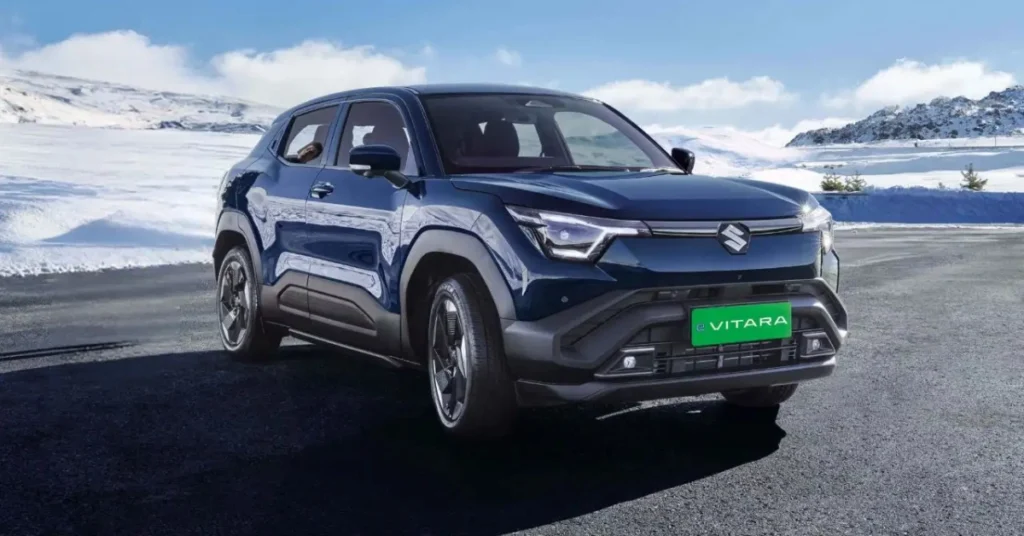
Maruti Suzuki is taking a bold step to tackle two of the biggest hurdles slowing EV adoption in India: resale value uncertainty and high upfront costs. In a recent discussion, Senior Executive Officer (Marketing & Sales) Partho Banerjee confirmed that the company will roll out an assured buyback program and Battery as a Service (BaaS) for its first electric vehicle, the eVitara, set to launch in the coming months.
Resale worries have plagued EVs since their debut. Unlike predictable petrol/diesel values, EV resale depends heavily on battery health—the single most expensive part, accounting for about 40% of the total cost. Buyers fear rapid degradation and uncertain future worth, often treating EVs as secondary cars. Maruti aims to change that mindset by guaranteeing buyback at a fixed value, giving owners peace of mind when trading in.
The BaaS model takes affordability further. Instead of paying for the battery upfront, customers subscribe to it—paying per kilometer or monthly. This slashes the initial purchase price, making eVitara more competitive against ICE rivals, especially after recent GST changes widened the gap. Banerjee explained: “Concerns over the resale value of electric vehicles remain one of the major factors weighing on consumer confidence in EVs… We plan to address this concern through an assured buyback program.”
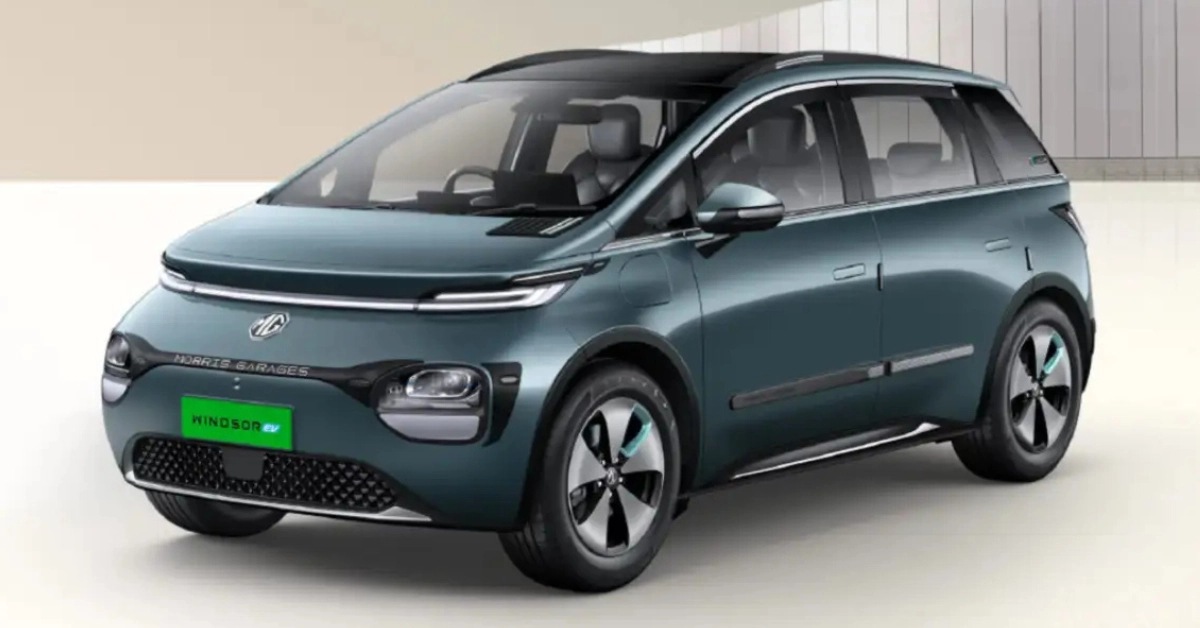
Maruti is not alone—JSW MG Motor offers BaaS on Windsor EV (Rs 3.5/km battery rental) and assured buyback, retaining 60% value after three years. Two-wheeler brands like Hero and Ather use similar models. Tata Motors, however, remains skeptical, viewing BaaS as complex marketing rather than a long-term fix.
How BaaS and Buyback Work
- Battery as a Service (BaaS): Battery rented separately; owner pays for usage (km or subscription). Reduces upfront cost by 30-40%, transfers battery risk to manufacturer.
- Assured Buyback: Maruti guarantees a fixed resale value after a set period (likely 3-5 years), mitigating degradation worries.
- Benefits: Lower entry price, predictable ownership cost, stronger resale confidence.
These tools address the “primary car” barrier: range anxiety (via ecosystem), service (via network), and now resale/cost.
eVitara and Maruti’s EV Strategy
The eVitara is Maruti’s first pure EV, built on a dedicated platform with competitive range and features. Exports to 26 markets (10,000 units shipped) prove readiness. Localisation of batteries and components is planned in phases, further cutting costs.
Maruti targets 5 EV models by FY30, aiming for 13-15% penetration. BaaS and buyback are key to making EVs primary vehicles, not just urban toys.
The Bigger Picture: EV Adoption in India
Resale and cost remain top hurdles, even as charging improves (Maruti targets 1 lakh stations by 2030). Maruti’s moves build on its strengths: vast network (1,500 EV-ready workshops), trust, and scale.
While some doubt BaaS complexity, Maruti sees it as a bridge to mass adoption. If successful, eVitara could shift EVs from “nice to have” to “must have” for Indian families.
Source: autocarpro.in
Read more about Ev Car News
Also Read
- MG Windsor Big Discounts Jan 2026: First-Ever Offers Make It Cheaper Than Launch Price
- Genesis GV60 Magma Debut: First High-Performance Electric Vehicle Revealed at CES 2026
- JSW Motors To Enter Passenger Car Space In June With Rs 45 Lakh Plug-In Hybrid SUV
- Maruti Suzuki Second Car Plant Gujarat Investment: ₹4,960 Crore for 10 Lakh Unit Capacity
- India’s EV Sales Reach 2.3 Million Units in 2025, 8 Percent of New Vehicles: Strong Growth Led by Two-Wheelers
- VinFast Off to a Fast Start, Crosses 1k EV Sales in India: Milestone in Just Four Months