Image source: autovista.in
JSW MG Motor Opposes CAFE 3 Small Car Relaxation: Overview
- JSW MG Motor India writes to PMO opposing proposed weight-based concession in draft CAFE 3 norms for “small cars” (under 909 kg unladen mass, 1,200 cc engine, under 4 m length).
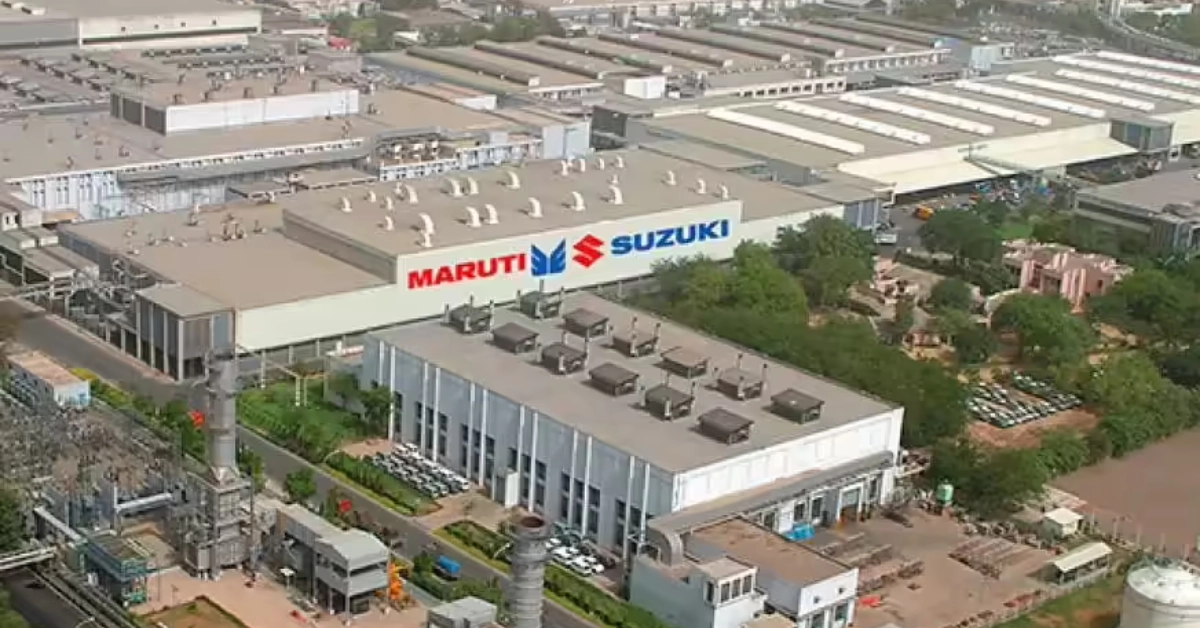
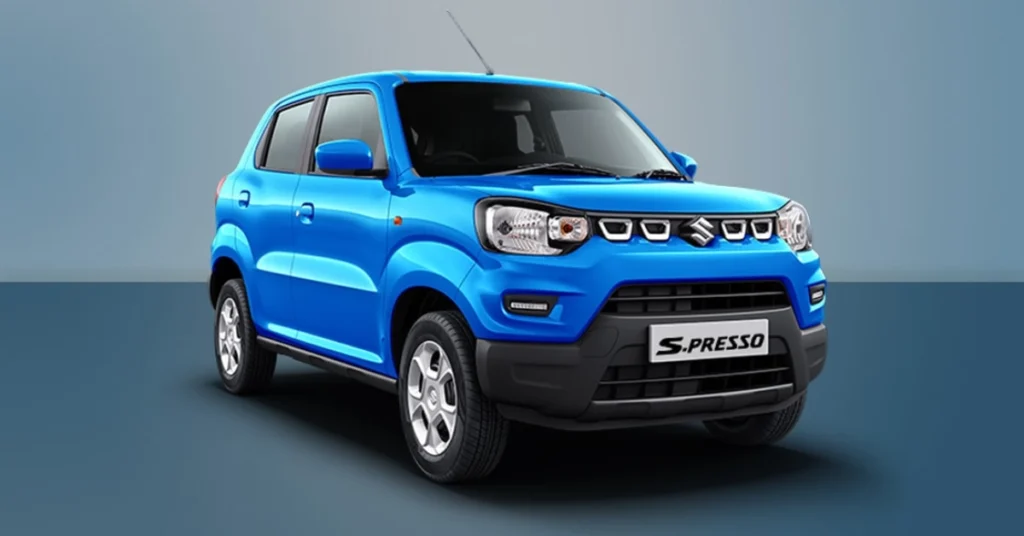
- Concession allows a 3 g/km CO₂ deduction in fleet average, benefiting manufacturers dominant in lightweight petrol cars (Maruti Suzuki holds a 95%+ share in the sub-909 kg segment).
- JSW MG argues it disrupts the level playing field, penalizes heavier SUVs/EVs, and contradicts safety trends.
- Tata Motors and Mahindra are preparing similar objections; Maruti defends it as rewarding the inherent efficiency of small cars.
- The issue highlights the split between small-car makers vs SUV/EV-focused players.
JSW MG Motor Challenges CAFE 3 Draft: Letter to PMO Flags Unfair Advantage for Lightweight Cars
The battle over India’s upcoming Corporate Average Fuel Efficiency (CAFE) 3 norms has escalated to the highest levels, with JSW MG Motor India sending a direct representation to the Prime Minister’s Office (PMO) opposing a proposed concession that critics say would disproportionately benefit one dominant player. The draft rules include a special weight-based linear formula and a carve-out for “small cars” defined by three criteria: unladen mass up to 909 kg, engine capacity up to 1,200 cc, and length under 4 metres. Qualifying models would enjoy a 3-gram-per-kilometer CO₂ deduction in fleet-average calculations, making overall compliance easier for manufacturers selling large volumes of such vehicles.
JSW MG contends this seemingly technical tweak “alters the level playing field” by handing a compliance advantage to Maruti Suzuki, which commands over 95 percent market share in the sub-909 kg category. In a market where CAFE targets are applied at the company level across entire portfolios, this deduction could significantly lighten the regulatory burden for a firm heavy on lightweight entry-level hatchbacks, while rivals with SUV-dominated or EV-heavy lineups face stricter effective targets.
The controversy erupted after the draft CAFE 3 framework surfaced, prompting lobbying from both sides. JSW MG’s letter highlights several concerns that resonate beyond one company, touching on fairness, safety evolution, and the push for electrification in India’s automotive sector.
What the Proposed Small Car Carve-Out Actually Means
| Criteria for “Small Car” Benefit | Details |
|---|---|
| Unladen Mass | Up to 909 kg |
| Engine Capacity | Up to 1,200 cc |
| Length | Under 4 metres |
| Compliance Benefit | 3 g/km CO2 deduction in fleet average |
Because CAFE compliance is calculated across a manufacturer’s entire portfolio, not model by model, selling high volumes of qualifying lightweight cars effectively relaxes the overall target. For a company like Maruti Suzuki, with dominant models fitting this bracket, the deduction could offset higher-emission SUVs or larger vehicles. For competitors focused on crossovers, SUVs, or battery-electric models (which are inherently heavier due to packs), no such relief applies, potentially raising costs for efficiency upgrades or electrification.
JSW MG argues this creates an uneven field, especially as vehicle weights have naturally increased over years with stricter safety norms (stronger structures, more airbags) and consumer demands for features (infotainment, AC). Rewarding ultra-light designs, they say, could indirectly penalize safer, feature-rich cars.
The EV and Safety Angle: Why the Concession Worries Rivals
Electric vehicles present a unique challenge: battery packs add substantial weight, pushing most EVs well above 909 kg. If regulations favor lightweight petrol cars with deductions, it could slow the shift to zero-emission mobility by making fossil-fuel models artificially easier to comply with. JSW MG, Tata Motors, and Mahindra—all investing heavily in EVs and SUVs—see this as counterproductive to national goals like 30% electrification by 2030.
Tata and Mahindra are reportedly preparing their own PMO submissions, signaling a broader coalition against the carve-out. On the other side, Maruti defends the logic: small, light cars are inherently more fuel-efficient and emit less CO₂ per kilometer, so rules should reflect real-world physics rather than penalize efficient designs.
Broader Industry Split and Consumer Implications
This CAFE 3 debate exposes a deepening divide:
- Volume small-car leaders (Maruti) want recognition for the inherent efficiency of compact petrol models serving price-sensitive buyers.
- SUV/EV-focused players (JSW MG, Tata, Mahindra, and Hyundai) fear distorted incentives that delay electrification and disadvantage heavier, safer vehicles.
For consumers, the outcome matters:
- If the carve-out stays, cheaper small petrol cars remain viable longer, delaying price drops in EVs/SUVs.
- If removed: More investment in efficiency/electrification across the board, potentially accelerating affordable EV options but raising short-term costs.
The draft’s “mass-based linear formula” aims for nuance, but critics call the 909 kg threshold arbitrary—echoing old GST definitions from 2006 rather than current realities.
The Road Ahead: Policy in the Balance
With the proposal now at the PMO level, resolution could come soon. Stakeholders watch closely: a balanced CAFE 3 must push efficiency without picking winners or stalling India’s EV transition.
This face-off shows how technical rules shape market futures—and why fairness debates rage when one player’s strength becomes another’s disadvantage.
Source: cartoq.com
Read more about EV Car News
Also Read
- MG Windsor Big Discounts Jan 2026: First-Ever Offers Make It Cheaper Than Launch Price
- JSW Motors To Enter Passenger Car Space In June With Rs 45 Lakh Plug-In Hybrid SUV
- Maruti Suzuki Second Car Plant Gujarat Investment: ₹4,960 Crore for 10 Lakh Unit Capacity

- India’s EV Sales Reach 2.3 Million Units in 2025, 8 Percent of New Vehicles: Strong Growth Led by Two-Wheelers
- VinFast Off to a Fast Start, Crosses 1k EV Sales in India: Milestone in Just Four Months
- What Happens To EV Battery After End-Of-Life?