India 39485 EV Chargers PM E-Drive Scheme: Overview
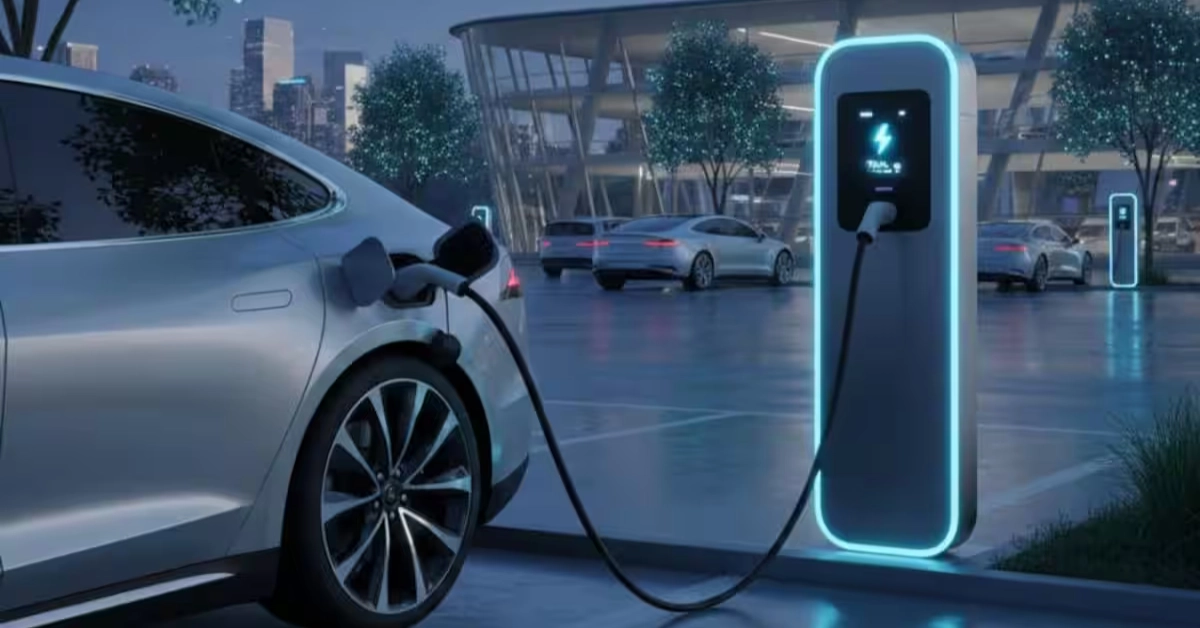
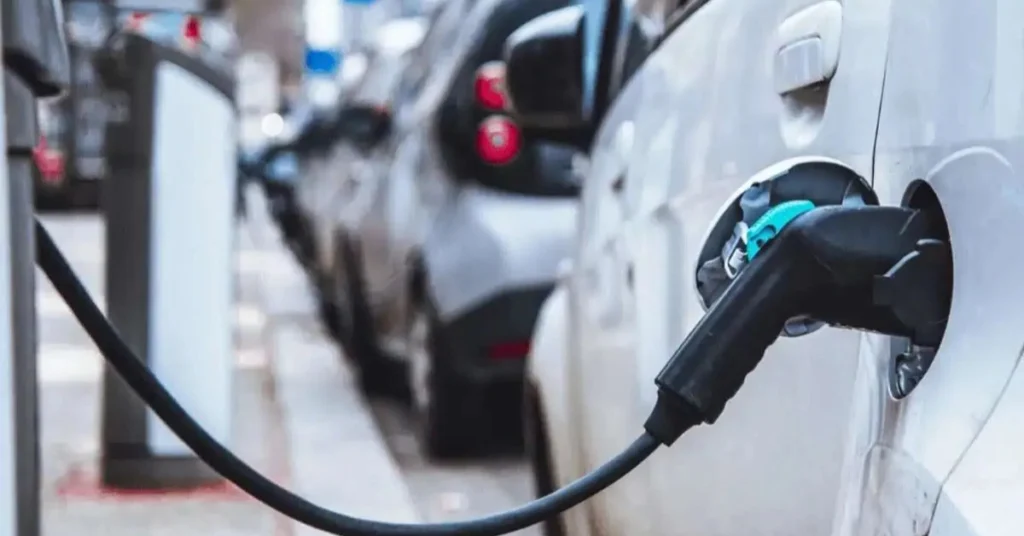
- India has installed 39,485 EV charging stations under the PM E-Drive Scheme, including 8,414 fast chargers for cars, marking a huge step in reducing range anxiety.
- The scheme, notified on 29 September 2024 with a Rs 109 billion budget, supports e-two-wheelers, e-three-wheelers, e-trucks, e-buses, e-ambulances, and public charging infrastructure.
- Rs 2 billion specifically allocated for public chargers; implementation led by BHEL as the project agency.
- The broader ecosystem includes PLI-Auto (Rs 259.38 billion), ACC Battery PLI (Rs 181 billion), PM e-Bus Sewa (Rs 34.353 billion), and SPMEPCI, requiring a minimum investment of Rs 41.5 billion.
- No national EV adoption target is set, but initiatives like e-bus procurement (13,800 buses across phases) and 2024 Charging Guidelines aim for interoperable, unlicensed networks to boost private participation.
India’s EV Charging Revolution: 39,485 Stations Already Live Under PM E-Drive
India is charging full speed ahead in its electric vehicle journey, with a staggering 39,485 EV charging stations now operational across the country under the flagship PM E-Drive Scheme. This milestone, revealed on December 9, 2025, in a Rajya Sabha reply by Minister of State for Heavy Industries Shri Bhupathiraju Srinivasa Varma, includes 8,414 fast chargers dedicated to cars, making long-distance EV travel far more practical and appealing. Launched with a massive Rs 109 billion budget on September 29, 2024, the scheme is not just about plugging in vehicles—it is a comprehensive blueprint to electrify everything from two-wheelers zipping through city streets to massive e-buses and e-trucks hauling goods nationwide.
This rapid rollout addresses one of the biggest hurdles holding back EV adoption: range anxiety. With chargers popping up in urban hubs, highways, and rural routes, Indian drivers can now confidently switch to electric without fearing a dead battery mid-journey. The government’s push aligns perfectly with the growing demand for clean transport, as EV sales surge amid rising fuel costs and pollution concerns in megacities like Delhi and Mumbai. By empowering public and private players alike, PM E-Drive is laying the foundation for a nationwide network that could make India a global leader in sustainable mobility.
Breaking Down the PM E-Drive Scheme: Budget, Scope, and Key Components
| Scheme Element | Details | Budget Allocation | Focus Areas |
|---|---|---|---|
| Overall PM E-Drive | Notified 29 Sep 2024; supports diverse EVs and infrastructure | Rs 109 billion | E-2W, e-3W, e-trucks, e-buses, e-ambulances, chargers |
| Public Charging Stations | Rs 2 billion for EVPCS; BHEL as implementing agency | Rs 2 billion | Fast chargers (8,414 installed for cars) |
| E-Bus Procurement | Aggregation model via CESL; Phase I (10,900 buses to 5 cities, bids opened 14 Nov 2025); Phase II (2,900 buses) | Included in scheme | Urban public transport electrification |
The scheme’s genius lies in its holistic approach: it does not stop at chargers but extends to subsidizing e-vehicles themselves, upgrading testing facilities, and fostering an ecosystem where EVs thrive. For instance, the public charging stations component, backed by Rs 2 billion, ensures stations are interoperable and user-friendly, with BHEL overseeing deployment to guarantee quality and nationwide coverage. This means whether you’re in bustling Bengaluru or remote Rajasthan, finding a plug is getting easier every day.
Complementary Schemes: The Full Arsenal for India’s EV Ecosystem
| Related Scheme | Key Features | Budget | Impact |
|---|---|---|---|
| PLI-Auto & Auto Components | Notified 23 Sep 2021; boosts advanced tech manufacturing, including EVs | Rs 259.38 billion | Strengthens local production of EV parts |
| ACC Battery Storage PLI | Notified 9 Jun 2021; targets 50 GWh domestic battery production | Rs 181 billion | Reduces import dependence, lowers EV costs |
| PM e-Bus Sewa PSM | Launched 28 Oct 2024; secures payments for 38,000+ e-buses against defaults | Rs 34.353 billion | Deploys e-buses in cities for cleaner air |
| SPMEPCI | Notified 15 Mar 2024; promotes electric passenger car manufacturing | Min Rs 41.5 billion investment | Mandates 25% DVA in year 3, 50% in year 5 |
These interconnected initiatives form a powerhouse ecosystem. The PLI-Auto scheme, for example, incentivizes companies to manufacture EV components locally, creating jobs and cutting costs. Meanwhile, ACC Battery PLI aims for self-reliance in batteries—the heart of every EV—targeting a whopping 50 GWh capacity to slash prices and boost range. And for public transport, PM e-Bus Sewa is rolling out over 13,800 electric buses in phases, with bids for operators in five major cities already underway since November 14, 2025. Under SPMEPCI, automakers must hit domestic value addition (DVA) targets, ensuring more “Made in India” EVs hit the roads.
Tackling Range Anxiety: New Guidelines and Private Sector Boost
To complement the installations, the Ministry of Power rolled out the Guidelines for Installation and Operation of Electric Vehicle Charging Infrastructure 2024, a roadmap to build a seamless national network. These rules standardize battery-swapping and charging stations, ensuring compatibility across brands—no more fumbling with incompatible plugs. Crucially, setting up chargers is now an unlicensed activity, flinging open the doors for private players like startups, malls, and petrol pumps to join the fray without red tape.
This private-sector nudge is vital: while government funds the backbone, entrepreneurs will fill the gaps in residential areas, highways, and tourist spots. The result? A dense, reliable grid that makes EVs as convenient as refueling petrol cars, potentially exploding adoption rates in a nation where two-wheelers alone account for 80% of vehicles.
The Road Ahead: No Targets, But Massive Momentum
India has not set a national EV adoption target—a deliberate choice to let market forces lead while providing the infrastructure rails. Yet, with 39,485 chargers already live and more pouring in, the momentum is undeniable. Minister Varma’s reply underscores the government’s commitment: from e-ambulances saving lives in emergencies to e-trucks greening logistics, every rupee invested is building a cleaner, more efficient tomorrow.
Challenges remain—like ensuring rural coverage and grid stability—but schemes like these are turning skeptics into converts. As EV sales climb and fossil fuel imports drop, PM E-Drive is not just installing chargers; it is igniting a self-sustaining revolution that could save billions in oil bills and slash urban smog.
Source: constructionworld.in
Read more about EV Car News
Also Read
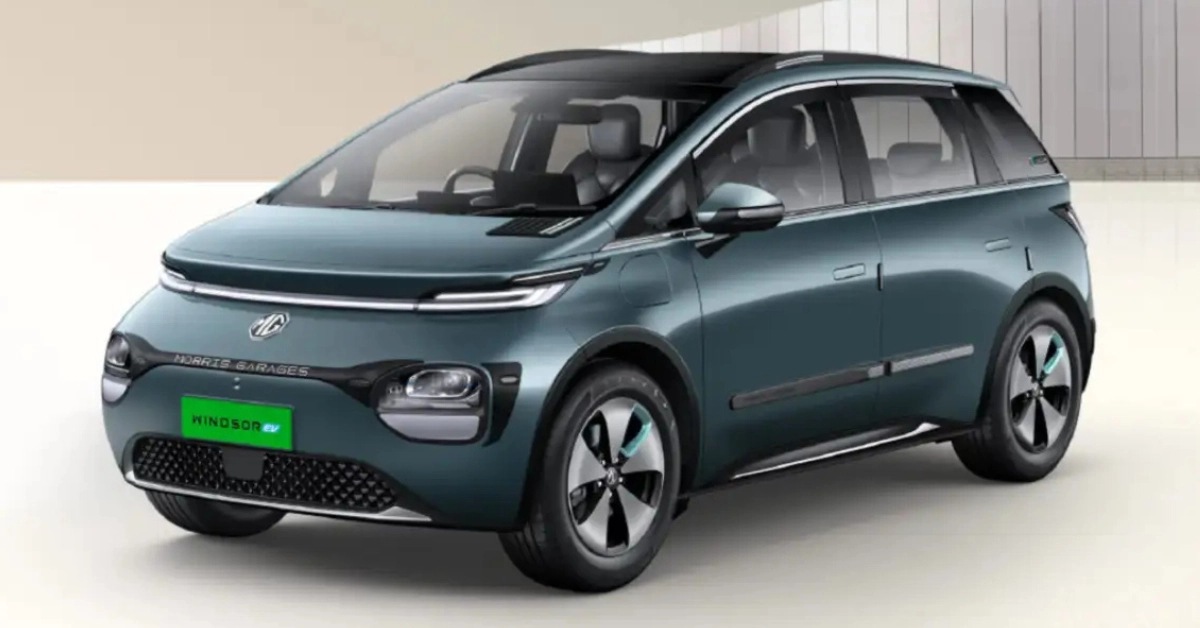
- MG Windsor Big Discounts Jan 2026: First-Ever Offers Make It Cheaper Than Launch Price
- JSW Motors To Enter Passenger Car Space In June With Rs 45 Lakh Plug-In Hybrid SUV
- Maruti Suzuki Second Car Plant Gujarat Investment: ₹4,960 Crore for 10 Lakh Unit Capacity
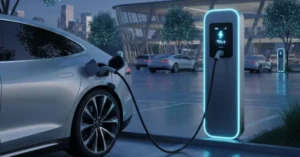
- India’s EV Sales Reach 2.3 Million Units in 2025, 8 Percent of New Vehicles: Strong Growth Led by Two-Wheelers
- VinFast Off to a Fast Start, Crosses 1k EV Sales in India: Milestone in Just Four Months
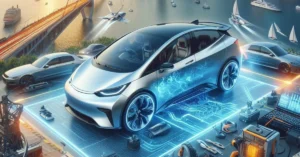
- What Happens To EV Battery After End-Of-Life?
Catchy Title for the Image: “India’s EV Charge: 39,485 Stations Powering a Greener Tomorrow Under PM E-Drive”