Himachal to Replace 1000 Petrol Taxis with Electric Vehicles: Overview
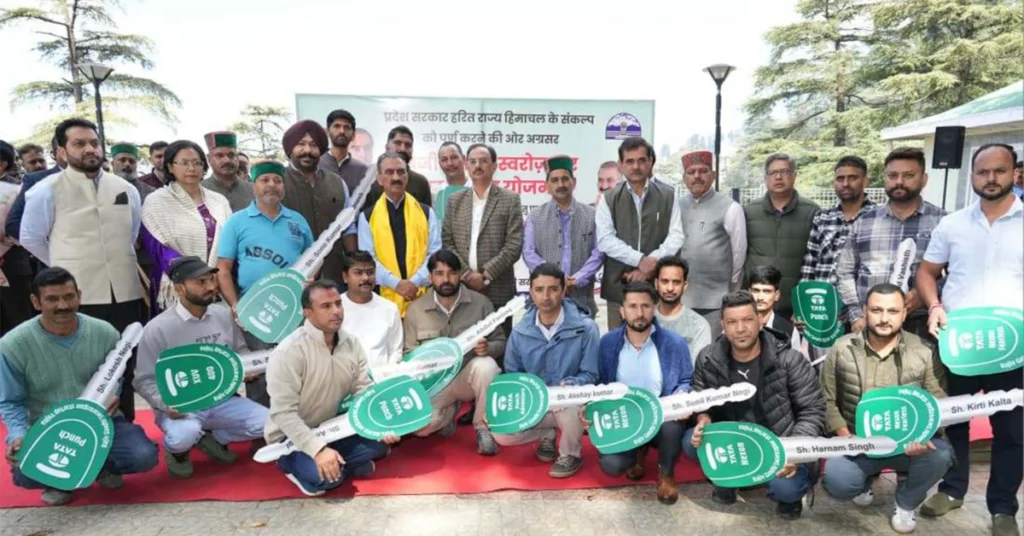
- Himachal Pradesh government announces a plan to replace 1,000 petrol taxis with electric vehicles across the state.
- The initiative aims to reduce pollution in tourist-heavy areas, improve air quality, and promote sustainable tourism.
- The transition will be supported through subsidies, charging infrastructure development, and financing assistance for taxi operators.
- Focus on key tourist routes and urban centers where petrol vehicles contribute significantly to emissions.
- The move aligns with the state’s broader environmental goals and the national push for green mobility.
Himachal Pradesh Accelerates Green Mobility: 1,000 Petrol Taxis to Be Replaced with Electric Vehicles
The Himachal Pradesh government has launched a significant initiative to modernize its taxi fleet and reduce vehicular pollution by replacing 1,000 existing petrol taxis with electric vehicles. The announcement, made in early January 2026, reflects the state’s strong commitment to sustainable tourism and cleaner air, especially in its sensitive Himalayan ecosystem and popular tourist destinations.
The plan targets petrol taxis operating on high-traffic tourist routes, urban centers, and inter-district services—areas where fossil-fuel vehicles contribute heavily to local air pollution and noise. By transitioning these vehicles to electric, the government aims to lower carbon emissions, reduce dependence on imported fuel, and enhance the overall visitor experience through quieter, cleaner rides.
The replacement program will be rolled out in phases, with priority given to older and higher-polluting vehicles. To make the switch viable for taxi operators—many of whom are small-scale owners—the state is expected to offer:
- Direct financial subsidies to offset the higher upfront cost of EVs.
- Preferential financing through tie-ups with banks and NBFCs.
- Support for charging infrastructure at taxi stands, tourist spots, and major highways.
- Training programs for drivers on EV operation, maintenance, and safety.
The move comes amid growing pressure on hill states to address vehicular pollution, which worsens during peak tourist seasons and contributes to haze and health concerns in valleys and towns.
Key Aspects of the Initiative
| Component | Details |
|---|---|
| Number of Vehicles | 1,000 petrol taxis to be replaced |
| Target Areas | Tourist routes: Shimla, Manali, Dharamshala, urban centres |
| Incentives for Operators | Subsidies, low-interest loans, charging support |
| Charging Infrastructure | Planned expansion at taxi stands and key locations |
| Timeline | Phased rollout starting early 2026 |
| Environmental Goal | Significant reduction in local emissions |
The program is expected to create a ripple effect—cleaner air attracting more eco-conscious tourists and setting an example for other hill states.
Why This Move Is Significant for Himachal
Himachal Pradesh relies heavily on tourism, with millions visiting annually. Petrol and diesel taxis are a major source of pollution in narrow valleys, hill towns, and during traffic congestion at popular spots. Replacing them with EVs will:
- Improve air quality in sensitive ecological zones.
- Reduce noise pollution in heritage areas.
- Lower operating costs for drivers (electricity vs petrol).
- Enhance visitor experience with smoother, quieter rides.
The initiative also supports national goals under schemes like PM E-DRIVE and aligns with Himachal’s long-standing focus on environmental conservation.
Challenges and Implementation Focus
Key challenges include:
- Upfront cost of EVs vs petrol taxis.
- Charging availability in remote and hilly areas.
- Operator training and acceptance of new technology.
- Range concerns on steep mountain roads.
The government is addressing these through subsidies, strategic charger placement, and awareness campaigns to ensure a smooth transition.
The Bigger Picture: Himachal’s Leadership in Green Tourism
By proactively replacing 1,000 petrol taxis, Himachal is positioning itself as a leader in sustainable tourism among Indian hill states. The move complements existing efforts—such as electric bus pilots and ropeway electrification—and sets a precedent for other tourist-heavy regions.
For taxi operators, the transition offers long-term savings and a modern livelihood. For tourists, it means cleaner, quieter journeys through some of India’s most beautiful landscapes.
As 2026 unfolds, this ambitious replacement program could become a model for balancing tourism growth with environmental protection.
Source: thehansindia.com
Read more about Ev Car News
Also Read
- MG Windsor Big Discounts Jan 2026: First-Ever Offers Make It Cheaper Than Launch Price
- JSW Motors To Enter Passenger Car Space In June With Rs 45 Lakh Plug-In Hybrid SUV
- Maruti Suzuki Second Car Plant Gujarat Investment: ₹4,960 Crore for 10 Lakh Unit Capacity

- India’s EV Sales Reach 2.3 Million Units in 2025, 8 Percent of New Vehicles: Strong Growth Led by Two-Wheelers
- VinFast Off to a Fast Start, Crosses 1k EV Sales in India: Milestone in Just Four Months

- What Happens To EV Battery After End-Of-Life?