Image source: mashable.com
EV Sales Rebound in Germany as Chinese Brands: Overview
- Germany’s new car market grew 3.4% to 2.9 million units in 2025 — best since 2019.
- BEV registrations reached 545,142, capturing 19.1% share (+5.6 pp from 2024).
- Strong rebound after the 2024 subsidy withdrawal dip; the new low-income private buyer incentive from November boosted late-year sales.
- Chinese brands (led by MG) gained significant ground with affordable, well-equipped models.
- Tesla Model Y is the overall bestseller; domestic OEMs face intensifying low-price competition.
Germany’s EV Market Stages Impressive 2025 Rebound: Chinese Brands Accelerate Penetration
Germany, Europe’s largest and most influential automotive market, delivered a clear signal of electric vehicle resilience in 2025. Total new car registrations climbed 3.4% to 2.9 million units—the strongest annual performance since the pre-pandemic year of 2019. Battery-electric vehicles (BEVs) were a major driver of this growth, achieving a record 19.1% market share with 545,142 units sold. This represented a substantial 43% increase from the challenging 2024 (when subsidy termination caused a temporary slump) and a 4% rise over 2023 levels.
The figures underscore a successful rebound, aided by a targeted new subsidy introduced in November 2025 specifically for low-income private buyers. This incentive helped stimulate demand in the final months, compensating for earlier uncertainty. Despite ongoing debates around charging infrastructure density, grid readiness, and policy consistency, consumer appetite for electrification proved robust—particularly for practical, value-oriented models.
A standout narrative of 2025 was the accelerating inroads by Chinese brands. Leveraging cost advantages, rapid product cycles, and feature-rich lineups, manufacturers like MG (SAIC-owned) emerged as volume leaders in the EV segment. Affordable hatchbacks and crossovers from China appealed to price-sensitive buyers, capturing share from traditional domestic players and highlighting a shift toward globalized competition.
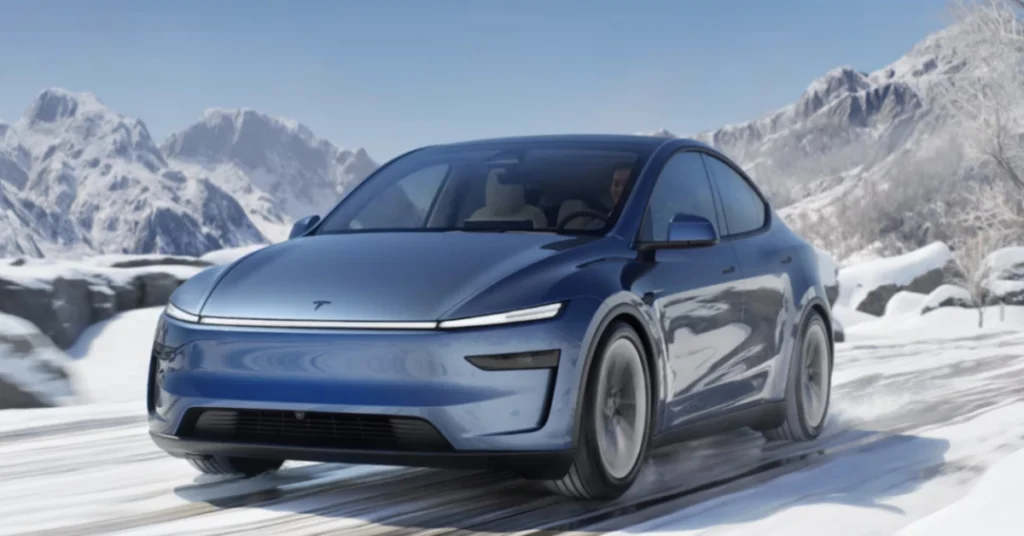
Tesla maintained strong appeal in the premium space, with the Model Y claiming the title of Germany’s overall best-selling car across all powertrains—a testament to its blend of range, space, and brand prestige.
2025 Key Market Figures and Trends
| Metric | 2025 | Change vs 2024 | Change vs 2023 | Notes |
|---|---|---|---|---|
| Total Registrations | 2.9 million | +3.4% | N/A | Highest since 2019 |
| BEV Sales | 545,142 | +43% | +4% | Record 19.1% share |
| BEV Market Share | 19.1% | +5.6 pp | +0.7 pp | Steady climb post-subsidy dip |
The dramatic 43% surge from 2024 illustrates the market’s recovery capacity once incentives realigned with private demand.
Chinese Brands’ Growing Influence
Affordable Chinese EVs made notable gains:
- MG topped pure-EV registrations with models like the compact MG4 and family-oriented HS.
- Competitive pricing combined with modern features and a decent range attracted budget-conscious buyers.
- Broader selection helped fill gaps left by premium-focused domestic offerings.
This penetration reflects global patterns: Chinese manufacturers leveraging scale and vertical integration to offer compelling value.
Tesla and Domestic OEM Performance
Tesla Model Y dominated as the single most popular vehicle, proving long-range electric crossovers remain highly desirable for private buyers.
German brands held ground in premium segments but faced volume pressure from lower-priced imports. Volkswagen Group, BMW, and Mercedes maintained strong hybrid/EV lineups but saw relative share erosion in entry/mid tiers.
Policy and Economic Context
Growth occurred despite:
- Lingering effects from 2024’s broad subsidy withdrawal.
- Economic headwinds affecting discretionary spending.
- Ongoing infrastructure debates (charger density outside urban areas).
The November low-income incentive provided timely stimulus, particularly for compact models.
Challenges Ahead
Analysts caution that sustained momentum requires:
- Consistent policy framework (e.g., ZEV mandates).
- Accelerated public charging rollout.
- Competitive response from European OEMs on pricing.
Chinese gains underscore urgency for localization and cost reduction efforts.
The Bigger Picture: Germany’s Balanced EV Transition
Unlike Norway’s near-total shift or China’s volume dominance, Germany’s path is pragmatic—blending battery electrics with hybrids and efficient ICE while leveraging imports for affordability.
2025’s rebound — 19.1% BEV share in a mature market—demonstrates policy effectiveness when targeted correctly. With Chinese brands adding choice and Tesla holding premium appeal, competition benefits consumers.
As Europe recalibrates 2035 targets amid demand realities, Germany’s steady progress offers a model: incentives matter, but diversity, infrastructure, and global sourcing drive real change.
Source: brandequity.economictimes.indiatimes.com
Read more about Ev Car News
Also Read
- MG Windsor Big Discounts Jan 2026: First-Ever Offers Make It Cheaper Than Launch Price
- JSW Motors To Enter Passenger Car Space In June With Rs 45 Lakh Plug-In Hybrid SUV
- Maruti Suzuki Second Car Plant Gujarat Investment: ₹4,960 Crore for 10 Lakh Unit Capacity

- India’s EV Sales Reach 2.3 Million Units in 2025, 8 Percent of New Vehicles: Strong Growth Led by Two-Wheelers
- VinFast Off to a Fast Start, Crosses 1k EV Sales in India: Milestone in Just Four Months
- What Happens To EV Battery After End-Of-Life?