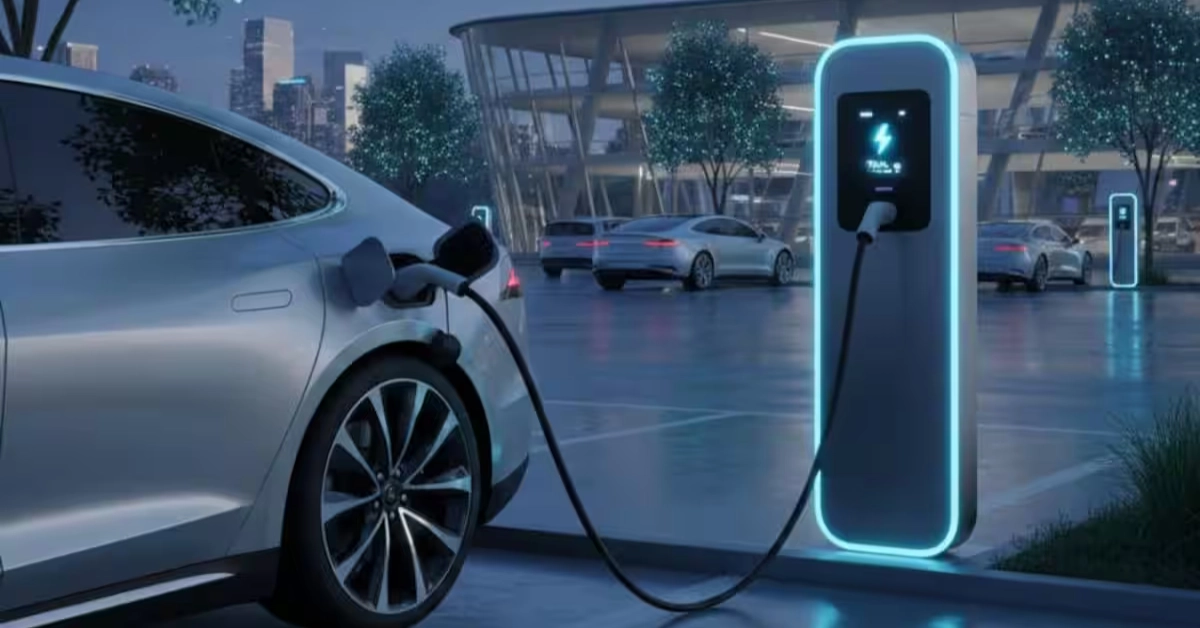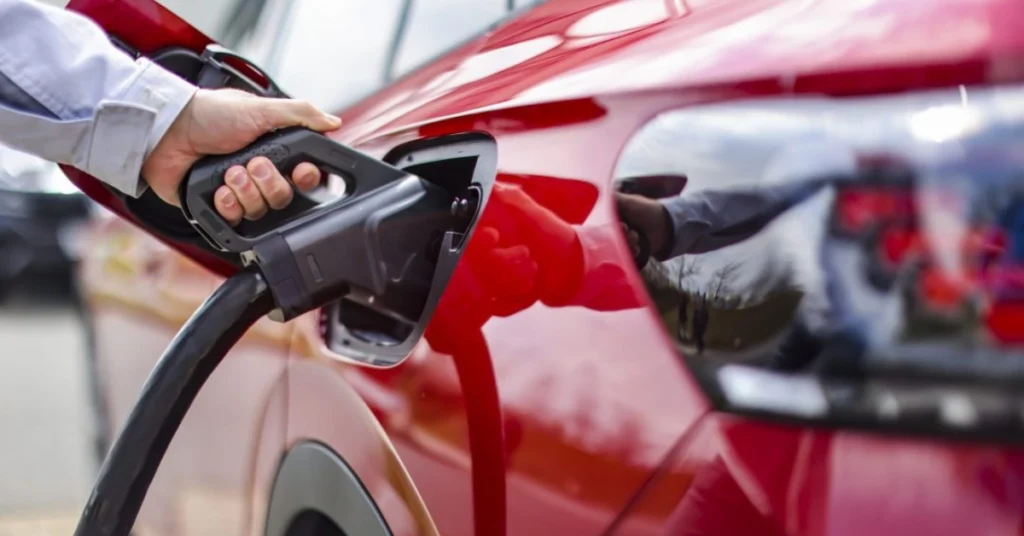
Image source: europeannewsroom.com
Europe Auto Industry Future Electric Despite: Overview
- The European Commission proposes scrapping the 2035 effective ban on new combustion engine cars, allowing plug-in hybrids, range-extended EVs, and conventional engines beyond 2035.
- Introduces extra credits for small Europe-built EVs to protect local jobs and competitiveness.
- Analysts view it as temporary flexibility for legacy carmakers to sell profitable hybrids longer while catching up on affordable pure EVs against Chinese rivals.
- EU fully electric sales are up 25.7% YTD through October (16.4% share); this contrasts sharply with the US policy reversal under Trump.
- Change eases pressure on billions invested based on prior rules but may spur cooperation for cost-effective EVs.
Europe’s Auto Giants Get a Lifeline: 2035 EV-Only Deadline Softened, But Pure Electrics Remain the Endgame
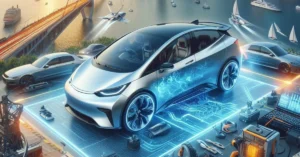
In a dramatic policy pivot that sent ripples through the automotive world, the European Commission unveiled plans on December 17, 2025, to abandon the hardline 2035 deadline for a complete shift to fully electric new cars. This climbdown, following intense lobbying from Europe’s traditional carmakers, opens the door for plug-in hybrids, range-extended electric vehicles (with small petrol engines as generators), and even conventional internal combustion models to remain legal well beyond 2035. Brussels also sweetened the deal with a new category offering extra CO₂ credits for compact EVs manufactured within Europe—a clear nod to protecting jobs and boosting local production in the face of surging Chinese competition.
Yet despite the headlines screaming “EU backs down on EV ban,” industry experts and analysts are united in one verdict: this is strategic breathing space, not a retreat from electrification. The long-term future of Europe’s roads is still overwhelmingly electric. As Phil Dunne, managing director at consultancy Grant Thornton Stax, put it, “The Commission has allowed Europe’s car industry to make choices and have a chance to compete. Hopefully it allows Europe’s industry to catch up with the Chinese with cost-competitive EVs.”
Premium players like Mercedes-Benz and BMW now have extra years to milk profits from lucrative plug-in hybrids before going all-in on pure battery electrics. Volume manufacturers such as Stellantis (with icons like the Fiat 500) and Renault (Clio) stand to gain from subsidised small-EV credits, perfectly suited for Europe’s city-dwelling, parking-challenged consumers who need nimble, affordable options.
This nuanced adjustment contrasts starkly with the United States, where President Donald Trump is aggressively rolling back EV support, including tax credits and mandates. In Europe, the focus remains on a managed transition—giving legacy firms time to develop competitive, mass-market EVs without collapsing under Chinese price pressure.
What Exactly Changes—and What Stays the Same
| Policy Element | Original 2035 Rule | New Proposal |
|---|---|---|
| Combustion Engines | Effectively banned (0 g/km CO₂ tailpipe) | Allowed if blended with hybrids/range-extenders |
| Plug-in Hybrids | Phased out by 2035 | Legal beyond 2035 |
| Range-Extended EVs | Limited acceptance | Fully permitted |
| Small EVs | Standard CO₂ credits | Extra credit if built in Europe |
| Overall Goal | 100% zero-emission new cars by 2035 | Flexible path to net-zero with tech neutrality |
The concessions deliver much of what the auto lobby demanded: flexibility to sell transitional technologies longer while protecting European jobs from low-cost Chinese imports.
EU EV Sales Hold Strong Amid Uncertainty
Fully electric car registrations climbed 25.7% year-on-year through October, capturing 16.4% of total sales—proof that consumer demand persists despite policy wobbles. Growth is concentrated in wealthier northern and western countries, while southern and eastern Europe lag with tiny shares. Consultancy AlixPartners, which forecasted only 62% full-EV penetration by 2035 even under the strict ban, sees little reason to revise: partner Nick Parker noted no expected major changes.
The delay does buy precious time for charging infrastructure—a perennial adoption bottleneck—to catch up, potentially smoothing the path to higher volumes later.
Billions Invested, Now a Policy Flip: Pain and Opportunity
The reversal stings for carmakers and suppliers who poured tens of billions of euros into EV platforms, factories, and supply chains based on the 2023 law. Ford’s $19.5 billion writedown just days earlier, scrapping models, exemplifies the whiplash. Yet the extra runway could spark creativity: Joe Stevenson, CEO of battery startup Anaphite, predicts, “This will end up driving more cooperation and platform-sharing between automakers.”
Recent examples like Ford-Renault’s small-EV tie-up show collaboration brewing to crack affordable electrics—the missing piece against Chinese volume players.
Ford CEO Jim Farley had pleaded for stability: “That’s not the way to do long-term capital investment planning. We need certainty.” The frequent tweaks—from 2025 emissions “breathing space” in March to this December shift—highlight Brussels’ challenge balancing ambition with reality.
Chinese Threat Looms Larger
Tariffs on Chinese EVs slowed but didn’t stop brands like BYD and Changan. With zero duties on plug-in hybrids and combustion models, Chinese firms exploit gaps, especially in low-EV nations like Poland. The policy softening gives European makers crucial years to develop cost-parity EVs—or risk ceding more ground.
The Long View: Flexibility Today, Electrics Tomorrow
Analysts agree the climbdown is pragmatic, not defeatist. Hybrids bridge profitability gaps, infrastructure matures, and affordable pure EVs emerge through shared platforms. But physics (battery density gains), economics (falling cell costs), and climate imperatives point in one direction: full electrification.
As one observer noted, Europe isn’t abandoning EVs—it’s ensuring its homegrown industry survives to lead them. By 2040, the continent’s roads will be overwhelmingly electric, ban or no ban.
Source: republicworld.com
Read more about Ev Car News
Also Read
- MG Windsor Big Discounts Jan 2026: First-Ever Offers Make It Cheaper Than Launch Price
- JSW Motors To Enter Passenger Car Space In June With Rs 45 Lakh Plug-In Hybrid SUV

- Maruti Suzuki Second Car Plant Gujarat Investment: ₹4,960 Crore for 10 Lakh Unit Capacity

- India’s EV Sales Reach 2.3 Million Units in 2025, 8 Percent of New Vehicles: Strong Growth Led by Two-Wheelers
- VinFast Off to a Fast Start, Crosses 1k EV Sales in India: Milestone in Just Four Months
- What Happens To EV Battery After End-Of-Life?