Image source: electricalmirror.net
Delhi Govt ₹50000 Incentive First 1000 Retrofitted Vehicles: Overview
- Delhi’s draft EV Policy 2.0 includes a proposed ₹50,000 incentive for the first 1,000 old petrol or diesel vehicles retrofitted to electric.
- Aimed at encouraging owners to convert rather than scrap or sell vehicles outside the city due to age restrictions.
- Particularly beneficial for luxury car owners reluctant to lose value on high-end models.
- Part of broader proposals: R&D fund increase from ₹5 crore to ₹100 crore, swapping station incentives to ₹6 lakh, target 12 lakh electric two-wheelers, safety ratings for e-rickshaws/e-carts.
- Scrapping incentives for new EV purchases also under consideration.
Delhi’s Innovative Retrofit Incentive: ₹50,000 for First 1,000 Old Vehicles Converted to Electric
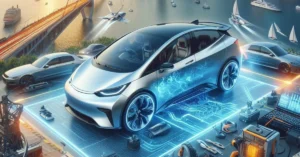
The Delhi government is crafting a thoughtful and practical approach to combat air pollution while addressing vehicle owners’ concerns through its upcoming EV Policy 2.0. A standout proposal in the draft is a ₹50,000 financial incentive for the first 1,000 old petrol or diesel vehicles that undergo retrofitting to become fully electric. This measure offers an alternative to the often painful choices of scrapping a beloved car or selling it at a loss outside the city, where age-based plying restrictions do not apply.
Retrofitting involves removing the traditional internal combustion engine and replacing it with a battery-operated electric kit, essentially giving the vehicle a new, zero-emission life. The incentive is designed to make this process more affordable, especially since retrofit kits can be expensive and vary widely in cost depending on the model and specifications.
Officials emphasise that this benefits owners of luxury or high-value cars in particular. “We have observed that a large number of people owning Mercedes or BMW cars do not want to sell their vehicles or scrap them. They invested, for instance, Rs 50 lakh, and in return, they get very little. So, the incentives will promote and help people to reuse their costly vehicles,” explained a senior official. For those using vehicles for limited purposes, conversion extends usability while slashing running costs.
The proposal builds on earlier efforts under the previous AAP government to streamline retrofitting, which struggled due to high kit prices and lack of standardisation. By adding direct financial support, the current administration hopes to overcome these barriers and encourage widespread participation.
Current regulations ban petrol vehicles over 15 years and diesel over 10 years from Delhi roads, with enforcement through challans or impounding. Owners typically opt for authorised scrapping or NOCs for out-of-state sales — options that often yield low returns.
Broader Proposals in EV Policy 2.0
The retrofit incentive is one element of a comprehensive draft aimed at aggressive EV growth:
| Proposal | Details |
|---|---|
| Retrofit Incentive | ₹50,000 for first 1,000 conversions |
| R&D Fund | Increase from ₹5 crore to ₹100 crore |
| Battery Swapping Stations | Incentive up to ₹6 lakh per station (from ₹1.2 lakh) |
| Electric Two-Wheelers Target | From 5 lakh to 12 lakh over coming years |
| Safety Standards | Star rating system for e-rickshaws/e-carts |
| Scrapping Bonus | Incentives for buying new EV after scrapping old |
Officials project that pushing electric two-wheeler numbers to 12 lakh could achieve 70% EV penetration in the segment within three years, far above organic growth.
The R&D boost targets emerging technologies like advanced cells and chargers, fostering local innovation.
Challenges and Viability of Retrofitting
Former Transport official Anil Chikkara noted: “Converting old vehicles into electric ones will be beneficial for people who use their vehicles for limited purpose and are not very dependent on them. Also, there are different cars and models. It depends on how viable the kits are and whether they come with or without a gearbox.”
Success hinges on affordable, reliable kits and standardised processes — areas the policy indirectly supports through ecosystem strengthening.
Strategic Goals Behind the Policy
Delhi’s severe air quality crises demand multi-pronged solutions. The retrofit option:
- Reduces immediate pollution from ageing ICE fleets.
- Extends vehicle life, cutting waste.
- Makes EV transition accessible without full replacement cost.
- Complements scrapping incentives for new purchases.
By blending reuse (retrofits) with new adoption, the policy creates inclusive pathways to electrification.
The Bigger Picture: A Multi-Faceted EV Push
EV Policy 2.0 reflects mature thinking: financial incentives, infrastructure (charging/swapping), innovation (R&D), and safety (ratings). The retrofit proposal cleverly addresses emotional and financial attachments to existing cars while advancing environmental goals.
As cabinet approval nears and implementation approaches (likely next FY), Delhi positions itself as a leader in pragmatic, people-focused EV policies.
For owners facing end-of-life dilemmas, ₹50,000 could be the nudge toward a cleaner, cheaper second life for their vehicles — and a breath of fresh air for the city.
Source: indianexpress.com
Read more about EV Car News
Also Read
- MG Windsor Big Discounts Jan 2026: First-Ever Offers Make It Cheaper Than Launch Price
- JSW Motors To Enter Passenger Car Space In June With Rs 45 Lakh Plug-In Hybrid SUV
- Maruti Suzuki Second Car Plant Gujarat Investment: ₹4,960 Crore for 10 Lakh Unit Capacity

- India’s EV Sales Reach 2.3 Million Units in 2025, 8 Percent of New Vehicles: Strong Growth Led by Two-Wheelers
- VinFast Off to a Fast Start, Crosses 1k EV Sales in India: Milestone in Just Four Months
- What Happens To EV Battery After End-Of-Life?