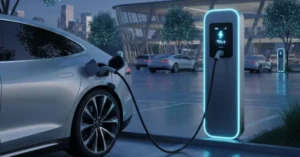
Image Source: financialexpress.com
Delhi EV Policy 2.0 Focus on Charging Infrastructure: Overview
- Delhi’s upcoming EV Policy 2.0 emphasises massive expansion of public charging and battery swapping stations.
- R&D funding is proposed to increase from ₹50 million to ₹1,000 million for innovation and ecosystem building.
- Plans: 1,000 public charging stations (₹15 lakh incentive each), 15,000 AC points, 2,000 DC fast chargers, and 1,000 swapping stations (₹6 lakh each).
- Targets 50,000 vehicle retrofits from ICE to EV.
- The current policy is extended till March 2026; the new policy is from the next FY.
Delhi EV Policy 2.0: Massive Push for Charging Infrastructure and ₹1000 Million R&D Fund
Delhi is gearing up for a transformative update to its electric vehicle framework with EV Policy 2.0, placing unprecedented emphasis on building a robust public charging network and dramatically scaling research and development. According to officials familiar with the draft, the new policy proposes hiking the R&D fund from a modest ₹50 million to an ambitious ₹1,000 million—a twenty-fold increase aimed at fostering innovation, supporting startups, and strengthening the entire EV ecosystem in the national capital.
The current Delhi EV Policy, introduced in 2020, has been extended until March 2026 while the updated version undergoes finalization and cabinet approval. Expected to roll out from the next financial year, EV Policy 2.0 reflects the government’s recognition that incentives alone are insufficient—sustainable growth requires world-class infrastructure and homegrown technological advancements.
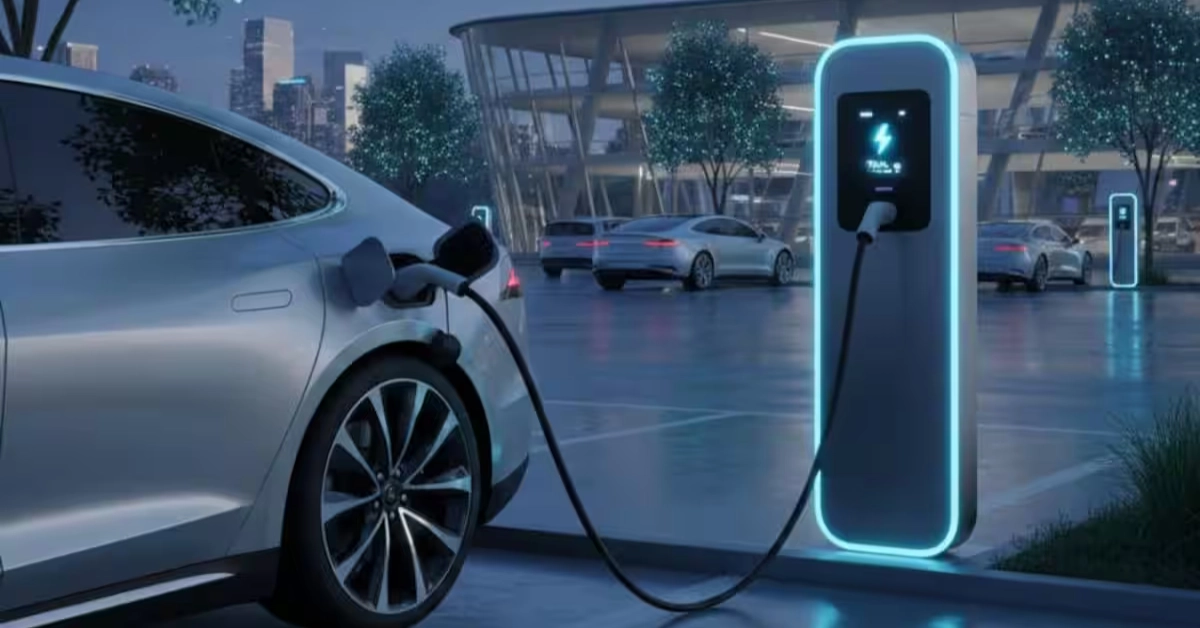
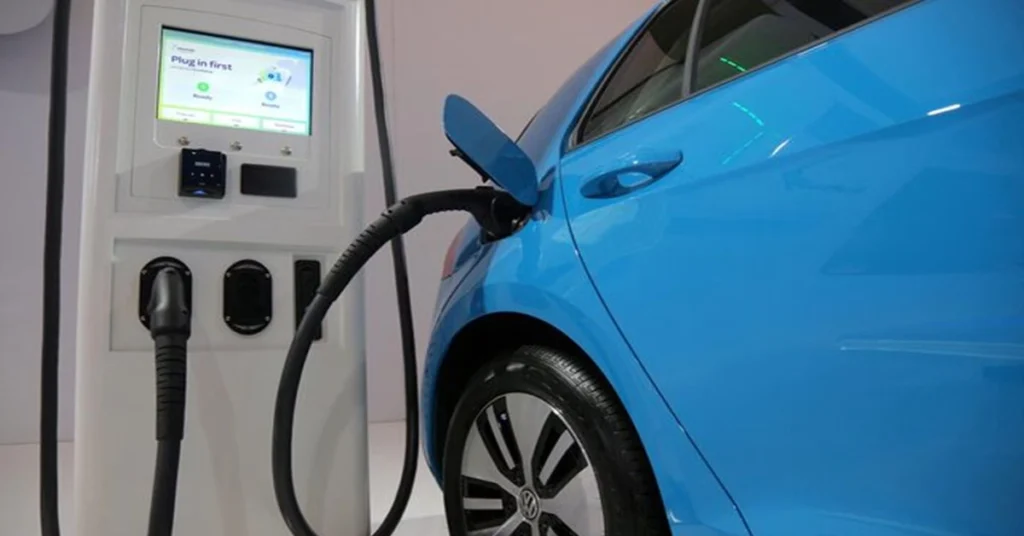
A cornerstone of the draft is the aggressive expansion of charging facilities to eliminate range anxiety and make EVs practical for daily use across Delhi’s diverse neighborhoods.
Charging and Swapping Infrastructure Targets
The policy outlines concrete, large-scale plans:
- 1,000 public charging stations: Each eligible for ₹15 lakh incentive.
- 15,000 AC charging points for slower, affordable home/community use.
- 2,000 DC fast charging points for quick top-ups on the go.
- 1,000 battery swapping stations: Up to ₹6 lakh per unit to support rapid exchange, especially for two- and three-wheelers.
Total estimated outlay for charging initiatives: ₹80 million, with a focus on high-traffic areas, residential societies, and commercial hubs.
Additionally, the policy targets 50,000 retrofits—converting existing internal combustion engine vehicles to electric—making the transition more accessible for owners unwilling or unable to buy new EVs.
R&D Funding Leap: From ₹50 Million to ₹1,000 Million
The proposed 20x increase in research and development allocation signals Delhi’s intent to move beyond adoption incentives toward innovation leadership. The enhanced fund will support:
- Startups are developing local battery tech, motors, and software.
- Academic-industry collaborations for real-world solutions.
- Testing and validation of India-specific EV components.
This focus addresses critical gaps like affordable batteries suited to Indian climates and cost-effective charging systems.
Why This Policy Matters
Delhi’s air quality challenges make a rapid EV shift urgent. Current adoption stands at around 7-8%, with two-wheelers leading. Policy 2.0 aims to:
- Reduce upfront and operational barriers.
- Create jobs in installation, maintenance, and R&D.
- Support national goals like 30% electrification by 2030.
By combining infrastructure scale-up with innovation funding, Delhi positions itself as a model for urban EV transition.
The Road Ahead: Implementation and Impact
With cabinet approval pending, final details may see tweaks, but the direction is clear: make charging as common as fuel stations and foster local tech leadership.
For residents, it means more convenient EV ownership. For businesses, new opportunities in installation and services. For the environment, a tangible step toward cleaner air.
As Policy 2.0 prepares for launch, Delhi reaffirms its commitment to sustainable mobility—building not just roads, but an entire electric future.
Source: electronicsforyou.biz
Read more about Ev Car News
Also Read
- MG Windsor Big Discounts Jan 2026: First-Ever Offers Make It Cheaper Than Launch Price
- JSW Motors To Enter Passenger Car Space In June With Rs 45 Lakh Plug-In Hybrid SUV

- Maruti Suzuki Second Car Plant Gujarat Investment: ₹4,960 Crore for 10 Lakh Unit Capacity

- India’s EV Sales Reach 2.3 Million Units in 2025, 8 Percent of New Vehicles: Strong Growth Led by Two-Wheelers
- VinFast Off to a Fast Start, Crosses 1k EV Sales in India: Milestone in Just Four Months
- What Happens To EV Battery After End-Of-Life?