Image Source: carwale.com
Cars to Become More Expensive in 2026: Overview
- Multiple carmakers announce price hikes effective January 1, 2026, citing rising raw material costs, logistics, and operational expenses.
- Hyundai: Up to 0.6% across models.
- JSW MG Motor, Renault, Mercedes-Benz: Up to 2%.
- Nissan: Up to 3% (primarily affects Magnite).
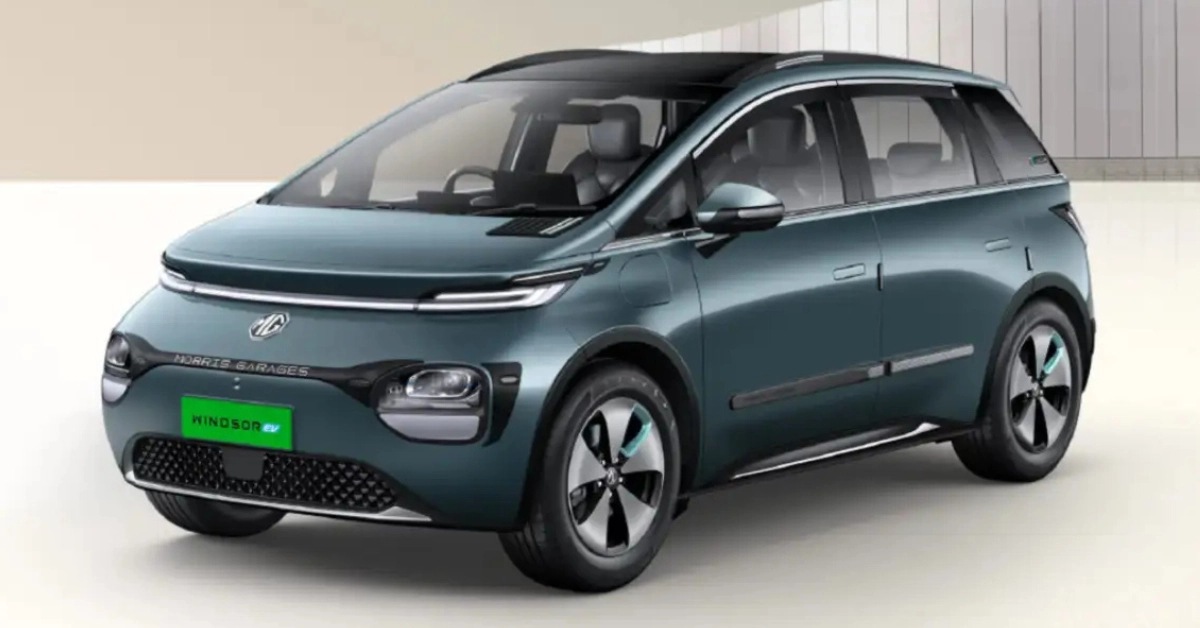
- Expected impact: Windsor EV up ₹35,000, Comet EV up ₹20,000, and Magnite up ₹17,000-33,000.
- Annual revisions are common; the second round is often in April.
Cars to Become More Expensive in 2026: Major Automakers Announce New Year Price Hikes
As the calendar turns to 2026, Indian car buyers face a familiar New Year reality: higher prices across popular models. Several leading manufacturers have confirmed price increases effective January 1, 2026, attributing the revisions to persistent rises in raw materials, precious metals, logistics costs, inflationary pressures, and unfavorable currency fluctuations. While the hikes are described as “limited” or “partial pass-through,” they will add thousands of rupees to on-road prices for many vehicles.
This wave of adjustments follows a pattern seen annually, with automakers typically revising prices twice—once at the start of the year and again around April—to offset escalating input costs. The latest announcements affect a broad spectrum, from mass-market brands to luxury players, impacting everything from affordable EVs to premium SUVs.
Hyundai Motor India leads the disclosures with a modest increase of up to 0.6% across its entire lineup. In a regulatory filing, the company explained it had made continuous efforts to absorb costs but was compelled to pass on a small portion due to sustained pressure from commodities and precious metals.
JSW MG Motor, Renault India, and Mercedes-Benz India follow with hikes of up to 2% across their portfolios. Mercedes-Benz specifically cited higher operating expenses, inflation, and an unfavorable euro-rupee exchange rate affecting imported components.
Nissan Motor India stands out with a sharper, up to 3% revision, though its impact is concentrated on the sole model sold here—the Magnite sub-compact SUV.
Expected Price Impact on Popular Models
| Model | Current Ex-Showroom (approx) | Expected Increase | New Price Range (approx) |
|---|---|---|---|
| MG Windsor EV | ₹13.90 lakh | Up to ₹35,000 | ₹14.25 lakh |
| MG Comet EV | ₹7.50 lakh | Up to ₹20,000 | ₹7.70 lakh |
| Nissan Magnite | ₹5.62–10.90 lakh | Up to 3% | ₹5.79–11.23 lakh |
These figures are indicative; actual hikes vary by variant and region. For Hyundai’s vast range (Creta, Venue, Exter, etc.), the 0.6% translates to modest thousands on most models.
Why Prices Are Rising
Automakers cite a common set of pressures:
- Escalating raw material costs (steel, aluminum, precious metals).
- Higher logistics and supply chain expenses.
- Currency fluctuations impacting imports.
- General inflation is raising operational overheads.
Despite efforts to absorb costs through efficiencies, partial pass-through becomes inevitable to maintain margins.
What This Means for Buyers
- Immediate impact: New bookings from January 2026 will reflect higher prices.
- Year-end rush: December saw increased footfalls as buyers aimed to lock in old rates.
- Budget planning: Even small percentage hikes add up on higher-value models (e.g., ₹50,000+ on luxury SUVs).
For EV buyers, the increases come alongside policy incentives in some states, partially offsetting the sting.
Broader Industry Context
Annual price revisions are standard, but 2026’s round feels notable amid:
- Slowing demand in some segments.
- Transition costs for BS7 norms and electrification.
- Global supply chain volatility.
Mercedes-Benz’s euro-rupee mention highlights import-dependent luxury brands’ vulnerability.
The Road Ahead: More Hikes Possible?
With another revision cycle often in April, buyers purchasing early 2026 might face cumulative increases within months. Savvy shoppers compare not just rates but total on-road costs, including insurance and registration.
As input pressures persist, moderated hikes may continue—a reminder that car ownership costs evolve beyond fuel prices alone.
Source: outlookbusiness.com
Read more about Ev Car News
Also Read
- MG Windsor Big Discounts Jan 2026: First-Ever Offers Make It Cheaper Than Launch Price
- JSW Motors To Enter Passenger Car Space In June With Rs 45 Lakh Plug-In Hybrid SUV
- Maruti Suzuki Second Car Plant Gujarat Investment: ₹4,960 Crore for 10 Lakh Unit Capacity

- India’s EV Sales Reach 2.3 Million Units in 2025, 8 Percent of New Vehicles: Strong Growth Led by Two-Wheelers
- VinFast Off to a Fast Start, Crosses 1k EV Sales in India: Milestone in Just Four Months
- What Happens To EV Battery After End-Of-Life?