Overview
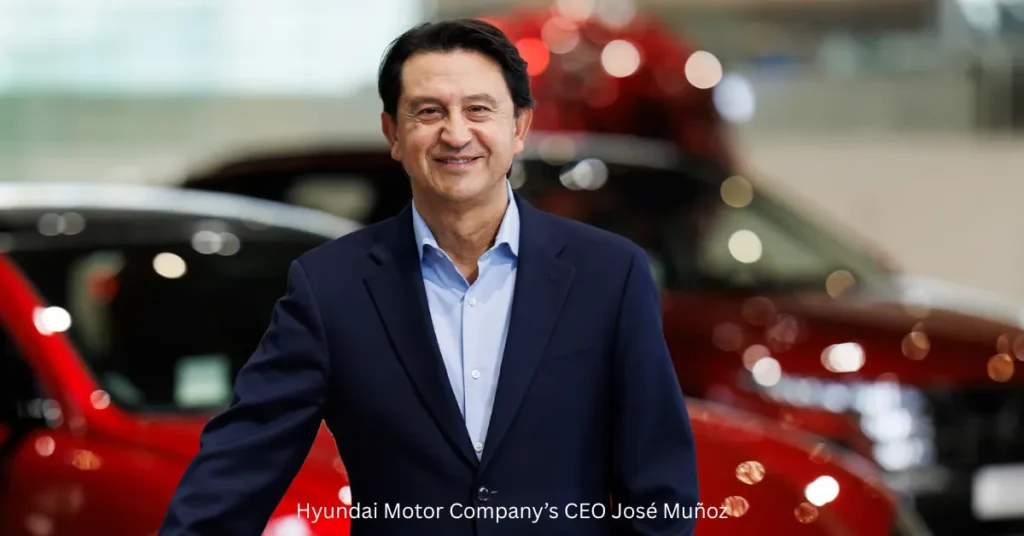
- Global Vision: Hyundai Motor Company’s CEO José Muñoz declares India poised to become a top global EV hub, driven by technology, localization, and supportive policies.
- Investment Commitment: Hyundai pledges ₹45,000 crore ($5.4 billion) by FY2030 for manufacturing expansion, 26 new models, and India’s first locally made EV SUV.
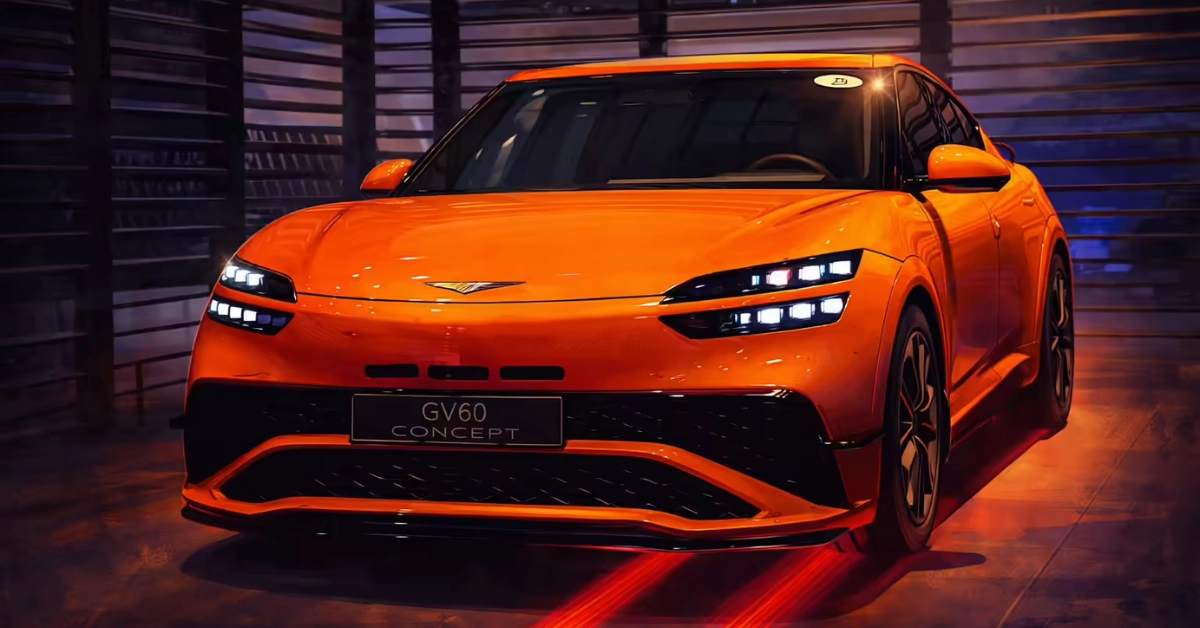
- Multi-Technology Strategy: Plans include 5 EVs, 8 hybrids, and extended-range solutions, with the Genesis luxury brand debuting to bolster India’s premium market.
- Localization Push: Strong local supply chains for batteries and components to enhance cost competitiveness and establish India as an EV export base.
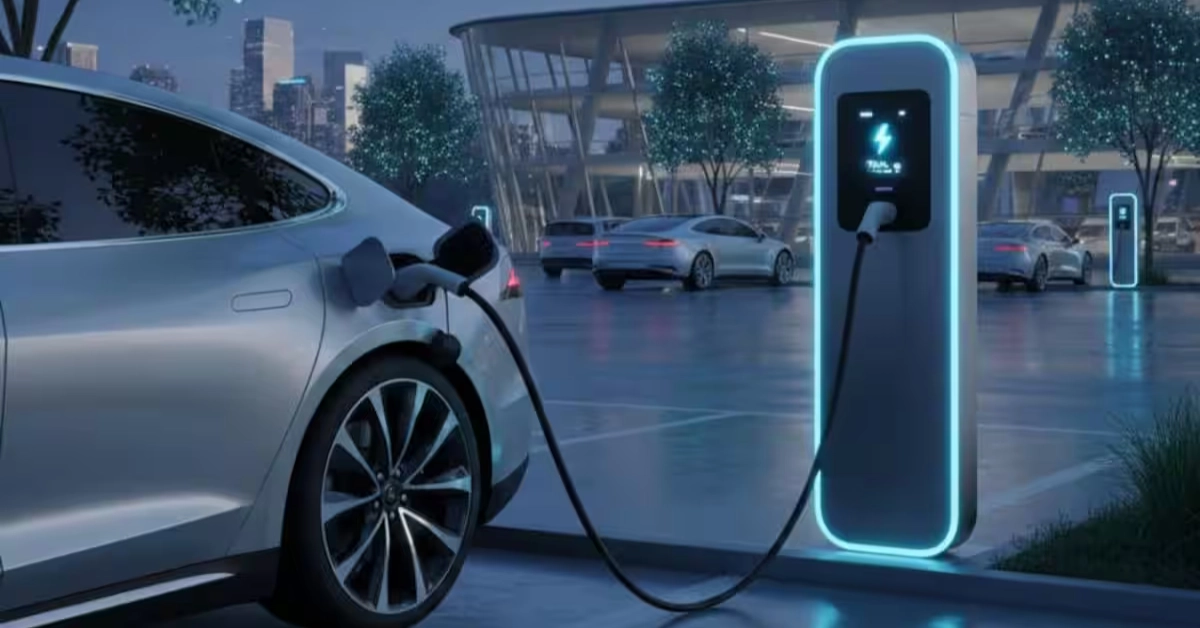
- Infrastructure Needs: Reliable electricity and charging networks are critical to sustain EV adoption, complementing Hyundai’s 600+ DC fast chargers planned by 2032.
- Performance Edge: Muñoz emphasizes EVs’ superior dynamics and acceleration, positioning them as innovation-driven rather than regulation-forced.
- Market Ambition: India targeted as Hyundai’s second-largest global market, leveraging technological depth for innovation and export growth.
Hyundai’s Bold Vision: India as the World’s EV Epicenter
Mumbai, October 16, 2025 – Hyundai Motor Company’s Global President and CEO José Muñoz has placed India at the heart of the automaker’s electrification strategy, predicting it will emerge as one of the world’s most competitive electric vehicle (EV) hubs. Speaking at Hyundai Motor India’s inaugural CEO Investment Day in Mumbai, Muñoz highlighted India’s technological prowess, localization efforts, and favorable policies as key drivers. “India is not just a contender—it’s set to be the most competitive EV hub globally,” he declared, underscoring a ₹45,000 crore ($5.4 billion) investment to transform India into an EV and innovation powerhouse by 2030.
Technology-Driven EV Revolution
Muñoz stressed that EVs are gaining traction due to superior performance, not just regulatory mandates. “The dynamics, the acceleration—these vehicles are leading because of technological superiority,” he said. Hyundai’s focus on performance aligns with India’s rising EV adoption, which hit 6% in August 2025, up from 2.4% last year. By blending EVs with hybrids and extended-range vehicles (REVs), Hyundai aims for a versatile, multi-technology approach to meet diverse consumer needs, from urban commuters to long-distance travelers.
Localization: The Key to Global Competitiveness
A robust local supply chain is central to Hyundai’s strategy. “With the best battery technology, safety, and performance, India’s EV ecosystem will be unmatched,” Muñoz noted. Localizing battery cells and components—accounting for 35–40% of EV costs—will reduce import duties and logistics expenses, making vehicles like the upcoming Creta EV (January 2026) more affordable. Partnerships with IITs and local manufacturers will tailor solutions for India’s extreme climates, ensuring reliability in temperatures exceeding 45°C.
Infrastructure and Policy Support
Muñoz emphasized that reliable electricity and charging infrastructure are critical for EV growth. Hyundai’s plan for 600+ DC fast chargers by 2032, alongside 22,500+ accessible charge points via the myHyundai app, addresses range anxiety, a barrier for 70% of potential buyers. Supportive policies like the PM E-DRIVE scheme, with ₹2,000 crore for 72,000 public chargers, align with Hyundai’s vision, ensuring seamless adoption across India’s vast highways and cities.
Massive Investment and Model Expansion
Hyundai’s ₹45,000 crore commitment through FY2030 will fund expanded manufacturing, 26 new models (5 EVs, 8 hybrids), and the debut of the luxury Genesis brand. The first locally manufactured EV SUV, likely the Creta EV, will roll out soon, strengthening India’s role as an export hub for markets like Europe and Japan. This builds on Hyundai’s existing 125 DC chargers and 946 AC chargers, with plans for 50 more by year-end, positioning India as the automaker’s second-largest global market.
Competitive Landscape and Strategic Edge
Hyundai’s holistic approach—integrating vehicles, chargers, apps, and local production—sets it apart from rivals like Tata Motors, which leads with its Power network, and Mahindra, with its INGLO-based EVs. By prioritizing performance, affordability, and data-driven insights from charging patterns, Hyundai is crafting an ecosystem that could redefine India’s EV landscape, projected to reach 10 million annual sales by 2030.
With innovation at its core and India’s potential unleashed, Hyundai is steering toward a future where the country powers the global EV revolution.
Read more about EV Car News
Also Read
- MG Windsor Big Discounts Jan 2026: First-Ever Offers Make It Cheaper Than Launch Price
- JSW Motors To Enter Passenger Car Space In June With Rs 45 Lakh Plug-In Hybrid SUV
- Maruti Suzuki Second Car Plant Gujarat Investment: ₹4,960 Crore for 10 Lakh Unit Capacity
- India’s EV Sales Reach 2.3 Million Units in 2025, 8 Percent of New Vehicles: Strong Growth Led by Two-Wheelers
- VinFast Off to a Fast Start, Crosses 1k EV Sales in India: Milestone in Just Four Months
- What Happens To EV Battery After End-Of-Life?