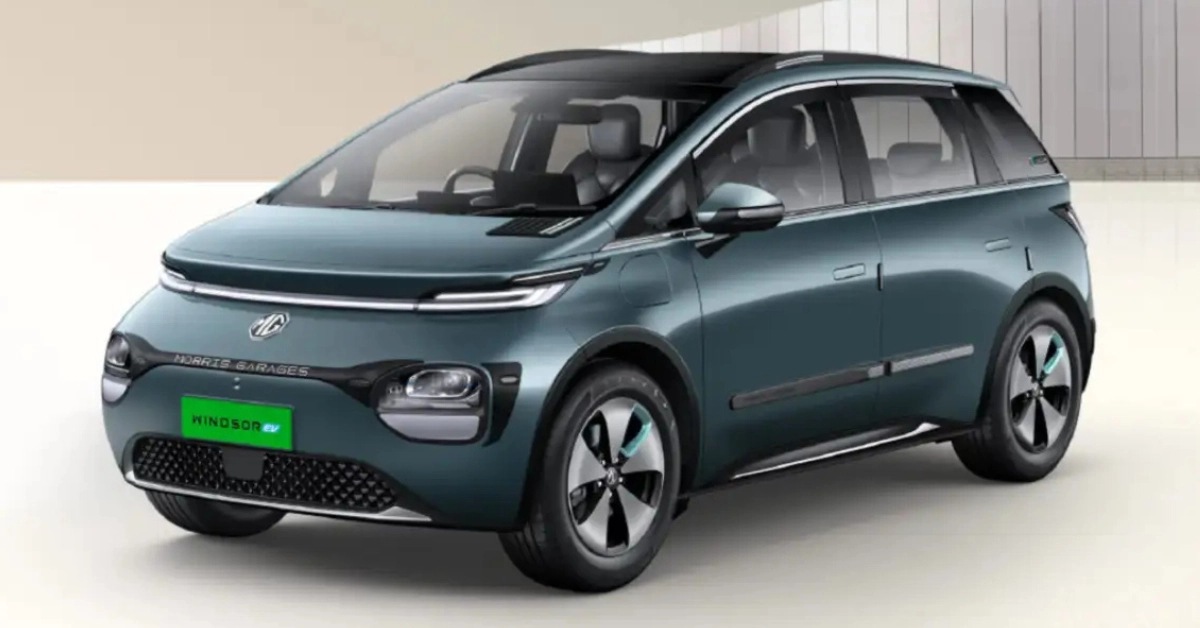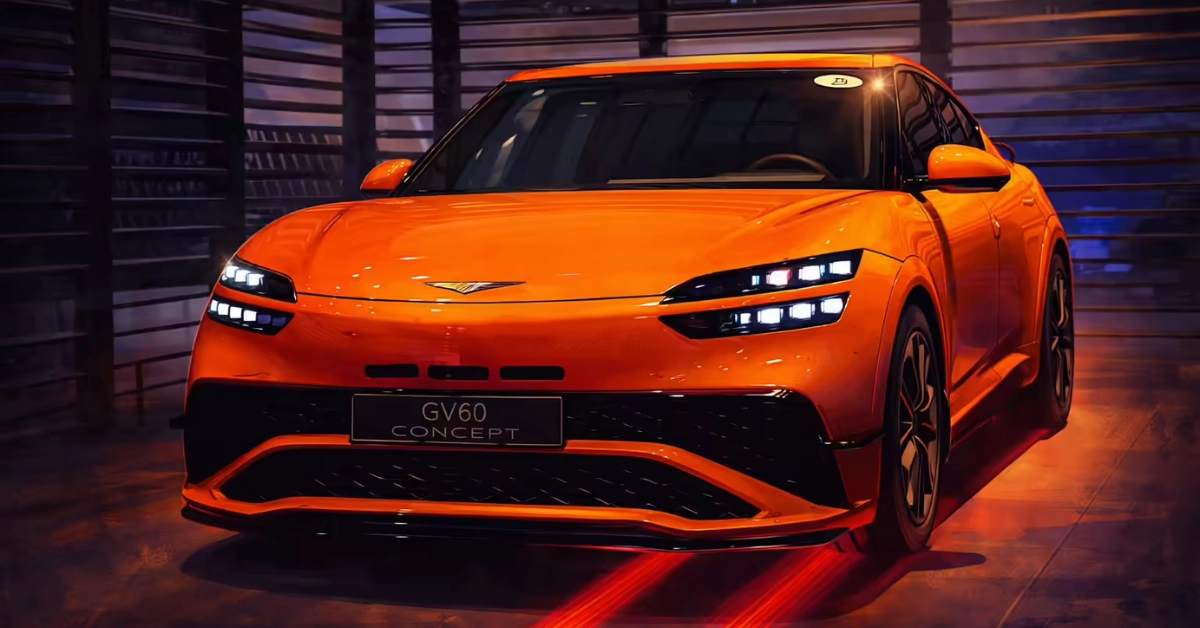
Image source: scanx.trade
EV Insurance: Overview
- India’s EV boom drives insurers and roadside assistance providers to adopt tech-led, predictive models.
- Key challenges: Higher repair costs due to vehicle complexity, specialised parts, and electronics.
- Climate disruptions shift demand patterns—EVs are more resilient to floods but vulnerable to power/charging outages.
- Insurers refine coverage add-ons (battery/charger protection), pricing, and preventive strategies.
- Experts: Charu Kaushal (Allianz Partners India), Sameer Samdani (IBAI).
EV Insurance Evolution: Rising Repair Costs and Climate Risks Drive New Coverage Strategies
India’s electric vehicle market is surging forward, but the transition is reshaping the insurance and roadside assistance landscape in profound ways. As EVs become more sophisticated and widespread, insurers face escalating repair costs, complex claim patterns, and emerging risks from extreme weather—prompting a shift toward technology-driven, predictive, and preventive models.
Charu Kaushal, Managing Director at Allianz Partners India, highlighted the core issue: “Vehicles today are far more technology-led, which means early intervention and expert handling have become critical. EV repairs currently tend to be more expensive due to specialised parts and OEM-linked processes.”
Sameer Samdani, Director at the Insurance Brokers Association of India (IBAI), added that advanced driver assistance systems (ADAS), connected tech, telematics, and high-voltage architectures have dramatically increased vehicle complexity. “This rising complexity directly impacts insurers’ claims experience, as EV repairs involve specialised sensors, electronics, and trained manpower.”
While localisation, modular repairs, and repair-over-replacement strategies promise cost moderation long-term, current realities demand innovative responses.
Roadside Assistance: From Reactive Towing to Proactive Tech Support
Traditional roadside assistance is evolving rapidly for EVs.
Kaushal explained the shift: “EV support is moving beyond conventional towing towards diagnostics-led assistance, mobile charging, and on-site resolution by EV-trained professionals. At Allianz Partners India, the focus is on early issue resolution using AI-powered diagnostics and trained technicians.”
Samdani noted providers now deploy flatbed towing, specialised tools, and certified technicians to meet EV safety protocols—improving reliability but raising operating costs compared to ICE vehicles.
Climate Risks: A New Layer of Complexity
Extreme weather events are altering assistance patterns differently for EVs versus ICE.
Kaushal observed, “Conventional vehicles often face higher failure rates during floods and heavy rains due to engine damage and electrical faults, while EVs are generally designed to be water-resistant. EV challenges during extreme weather are more ecosystem-driven—power outages, charging disruptions, and connectivity issues.”
This has led to proactive measures: geofencing high-risk zones, enhanced call-center capacity, and partnerships for faster support during disruptions.
Insurance Coverage and Pricing Adjustments
Insurers are refining products to match EV realities:
- EV-specific add-ons: Battery/charger protection, range anxiety solutions.
- Higher base premiums: Reflecting component costs and risk assessment.
- Future moderation: As affordable models proliferate and repair networks mature.
Samdani said EVs attract differentiated pricing, while Kaushal expects the premium gap with ICE to narrow over time.
Toward Predictive and Preventive Models
Both experts see the industry moving from reactive to proactive:
- AI diagnostics for early intervention.
- Geofencing and predictive planning.
- Customer communication to prevent breakdowns.
As adoption scales and infrastructure improves, standardised processes and faster turnaround times will emerge.
The Bigger Picture: Building a Resilient EV Insurance Ecosystem
India’s EV growth—from two-wheelers to premium SUVs—demands an insurance framework that evolves as fast as the vehicles. Rising complexity and climate risks are challenges but also catalysts for innovation: smarter diagnostics, specialised assistance, and tailored coverage.
For buyers, this means more comprehensive protection, though potentially higher initial premiums. For the industry, it’s an opportunity to lead in sustainable risk management.
As EVs become mainstream, a robust, tech-enabled insurance backbone will be key to confidence and continued adoption.
Source: cnbctv18.com
Read more about Car Insurance
Also Read
- EV Insurance: How Rising Repair Costs and Climate Risks Are Reshaping Coverage Models
- Ather Energy Enters Auto Insurance Business: New Subsidiary to Distribute Motor Policies

- Citroen Sundaram Finance Car Loans India 2025: Easy EMI, Fast Approval – Tier 2 & 3 Reach Boost!

- EV Insurance in India 2025: 16x Growth, AI-Powered Plans & FASTag-Linked Charging – Must-Know Trends!
- 2025 EV Insurance Revolution: Battery Coverage & AI Claims – Don’t Miss These Game-Changers!

- Best Car Insurance in India 2025: Top Picks for Ultimate Protection!