Image source: autovista24.autovistagroup.com
Power Electronics for Electric Vehicle Market: Overview
- The global power electronics for Electric Vehicle Market is projected to grow from USD 20 billion in 2024 to over USD 45 billion by 2032, with ~13% CAGR.
- Growth fueled by EV adoption, emission regulations, SiC/GaN semiconductors, and high-efficiency power conversion.
- Asia-Pacific leads; Europe is the fastest-growing.
- Dominant segment: Power inverters; key vehicle type: Passenger EVs.
- Major players: Infineon, STMicroelectronics, ON Semiconductor, Mitsubishi, Wolfspeed, Texas Instruments, and Bosch.
Power Electronics for EVs: The Hidden Tech Powering a USD 45 Billion Market by 2032
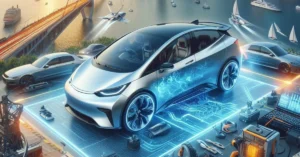
Power electronics have quietly become the unsung heroes of the electric vehicle revolution, managing every watt of energy from battery to wheels with precision and efficiency. According to the latest Introspective Market Research report, the global Power Electronics for Electric Vehicle Market is set for explosive growth, expanding from approximately USD 20 billion in 2024 to over USD 45 billion by 2032 at a robust compound annual growth rate of around 13%.
This surge is no surprise in an era where EVs are transitioning from niche to mainstream. Components like inverters, DC-DC converters, onboard chargers, and power modules are mission-critical, optimizing energy flow, enabling fast charging, and maximizing range. As Rahul Mehta, Principal Consultant at Introspective Market Research, noted, “Power electronics sit at the heart of EV performance and cost competitiveness. The rapid shift toward silicon carbide–based solutions is enabling longer driving ranges, faster charging, and improved thermal management—making them a strategic investment area for OEMs and Tier-1 suppliers alike.”
The market’s momentum reflects broader trends: surging EV sales, tightening emission rules, and relentless innovation in wide-bandgap semiconductors like SiC (silicon carbide) and GaN (gallium nitride).
Market Revenue and Segment Snapshot
| Segment | Revenue Trend | Strategic Insight |
|---|---|---|
| By Component | Inverters, DC-DC Converters, Onboard Chargers, Power Modules | Inverters account for the largest revenue share |
| By Semiconductor Type | Silicon, SiC, GaN | SiC devices witnessing fastest growth |
| By Vehicle Type | Passenger EVs, Commercial EVs | Passenger EVs dominate; commercial EVs gaining pace |
| By Application | Powertrain, Charging Systems, Auxiliary Systems | Powertrain applications lead demand |
What Drives the Boom? Key Opportunities
Several forces converge:
- Wide-Bandgap Semiconductors: SiC/GaN reduce losses and enable smaller/lighter components.
- 800V Architectures: Faster charging, better efficiency in premium EVs.
- Modular Platforms: Standardized designs lower costs for the mass market.
- Fast-Charging Networks: Demand for robust onboard systems rises.
Recent breakthroughs:
- Infineon expands SiC MOSFETs for inverters.
- Wolfspeed boosts automotive-grade SiC wafer capacity.
- STMicroelectronics advances power modules for density/thermal gains.
- Bosch integrates units to cut weight/complexity.
A premium EV case study showed a 5-8% drivetrain efficiency gain with SiC inverters, extending range and charging speed.
Challenges Tempering Growth
Strong prospects face hurdles:
- High SiC Costs: Premium over silicon limits mass adoption.
- Supply Volatility: Specialized wafers are prone to shortages.
- Thermal Complexity: Higher densities demand advanced cooling.
- Standardisation Gaps: Diverse architectures complicate designs.
The Bigger Picture: Power Electronics as EV Enablers
By 2032, power electronics will define EV competitiveness—longer ranges, quicker charges, and lighter weights. As passenger EVs dominate and commercial fleets electrify, demand for efficient, reliable systems will soar.
Asia-Pacific’s manufacturing edge ensures leadership, but Europe’s regulatory push and North America’s investments keep competition fierce. For OEMs and suppliers, mastering SiC/GaN and modular integration is the path to market share.
In the race to affordable, practical electrification, power electronics aren’t just supporting actors—they’re driving the plot forward.
Source: timestech.in
Read more about EV Car News
Also Read
- MG Windsor Big Discounts Jan 2026: First-Ever Offers Make It Cheaper Than Launch Price
- JSW Motors To Enter Passenger Car Space In June With Rs 45 Lakh Plug-In Hybrid SUV

- Maruti Suzuki Second Car Plant Gujarat Investment: ₹4,960 Crore for 10 Lakh Unit Capacity

- India’s EV Sales Reach 2.3 Million Units in 2025, 8 Percent of New Vehicles: Strong Growth Led by Two-Wheelers
- VinFast Off to a Fast Start, Crosses 1k EV Sales in India: Milestone in Just Four Months
- What Happens To EV Battery After End-Of-Life?