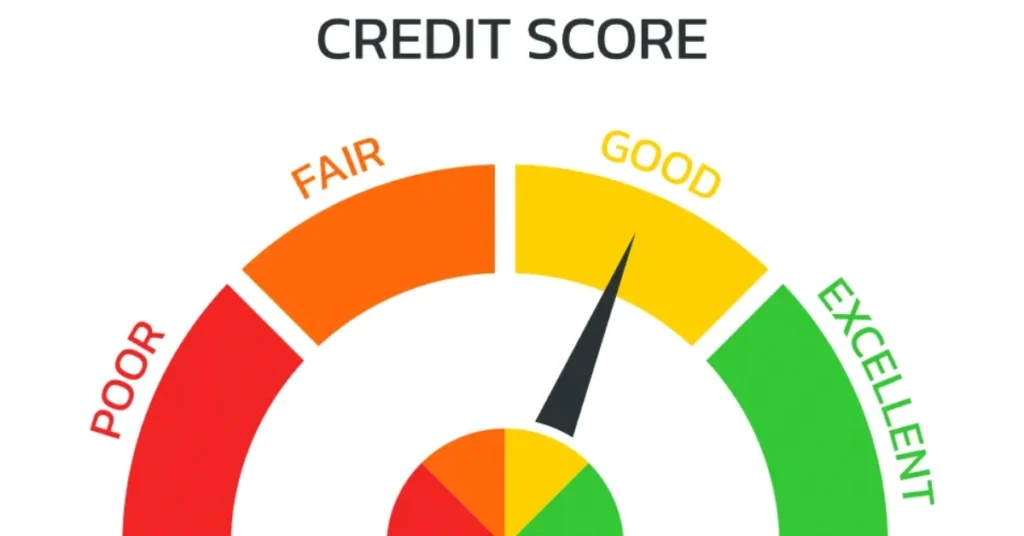
2026 Credit Score Guide: Overview
- Improving your credit score in 2026 is key to unlocking better loan terms, credit cards, and financial opportunities.
- Aim for a 750+ score for optimal benefits; adopt habits like tracking usage, diversifying credit, and building long-term discipline.
- Monitor via bureaus (CIBIL, Experian, Equifax, CRIF High Mark); keep utilisation below 30% and pay on time.
- Diversify with a mix of secured/unsecured loans; avoid multiple applications.
- Long-term: Auto-payments, keep old cards active, borrow only for essentials.
2026 Credit Score Guide: Simple Habits to Boost Your Profile and Unlock Better Financial Doors
As we step into 2026, taking control of your credit health has never been more important. A strong credit score—ideally 750 or higher—opens doors to attractive loan rates, premium credit cards, easier home loan approvals, and overall financial confidence. In India’s evolving lending landscape, where banks and NBFCs increasingly rely on credit bureaus for risk assessment, a clean and robust profile can make the difference between high-interest borrowing and favorable terms.
The good news is that building or improving your credit score doesn’t require complex strategies. By adopting a few disciplined habits—monitoring usage, diversifying responsibly, and cultivating long-term practices—anyone can strengthen their profile over time. This guide breaks down practical steps to guide you toward better financial opportunities in 2026 and beyond.
Track and Manage Your Credit Usage Properly
Consistent monitoring is the foundation of credit health.
Start by regularly checking your score and report on official platforms from leading bureaus: CIBIL, Experian, Equifax, and CRIF High Mark. Free annual reports or paid monthly updates help spot errors like duplicate accounts, wrong payment records, or fraudulent entries early.
Key habits:
- Keep the credit utilisation ratio below 30% of total limits—high usage signals risk to lenders.
- Pay credit card bills and loan EMIs on time—even one late payment can dent your score significantly.
- Review statements monthly for unauthorized transactions or inaccuracies.
Timely payments and low utilisation often account for the largest share of your score calculation, making them high-impact areas for quick improvements.
Diversify Your Credit Portfolio Wisely
A balanced mix of credit types demonstrates responsible borrowing behavior.
Aim for a healthy combination of secured loans (home, auto) and unsecured loans (personal, credit cards). This variety shows lenders you can handle different repayment structures.
Avoid pitfalls:
- Don’t apply for multiple loans or cards in a short period—each hard inquiry temporarily lowers your score.
- Correct errors promptly through bureau dispute mechanisms.
Responsible diversification, combined with on-time repayments, gradually builds a more resilient profile that lenders view favorably.
Build Healthy Long-Term Credit Habits
Credit scores reward consistency over years, not months.
Practical steps:
- Set up auto-payments for bills and EMIs to eliminate missed deadlines.
- Keep older credit cards active with occasional small purchases and full repayments—length of credit history is a major scoring factor.
- Borrow only for genuine needs like emergencies (medical, education) rather than lifestyle expenses (travel, shopping).
- Avoid revolving high balances on cards—pay in full when possible to minimize interest and utilization.
A longer, positive credit history with no defaults creates a virtuous cycle: higher scores lead to better offers, which further strengthen your profile.
Risks of Over-Reliance on Credit
While building credit is beneficial, overdependence carries dangers:
- Personal loans: High interest can create repayment burdens if not planned.
- Credit cards: Unchecked spending leads to penalties, escalating debt, and potential legal issues.
Always borrow within means and consult certified financial advisors before major decisions.
Why 2026 Is the Perfect Time to Focus on Credit Health
With India’s lending market digitizing rapidly and competition among banks/NBFCs intensifying, a strong credit profile gives you negotiating power. Better scores translate to lower interest, higher limits, and faster approvals—directly impacting everything from home purchases to business funding.
By starting disciplined habits now—regular monitoring, prudent utilization, and thoughtful diversification—you position yourself for financial flexibility and confidence throughout 2026 and beyond.
Source: livemint.com
Read more about Car Loans
Also Read
- Best Loan Options from Banks to Drive Home a New Car This New Year: Lowest Rates and Fee Waivers

- 2026 Credit Score Guide: How to Strengthen Your Profile for Better Loans and Financial Opportunities
- Maruti Suzuki Uttar Pradesh Gramin Bank MoU: 50th Retail Finance Partner for Car Loans

- Trump New Auto Loan Tax Break: Who Could Benefit from the Deduction

- Maruti Suzuki Chhattisgarh Gramin Bank Partnership: Easy Car Loans for Rural Customers!

- ED Pune Raids SBI Loan Fraud: Searches at 12 Places Seize Luxury Cars and Fake Papers in ₹19.38 Crore Case!