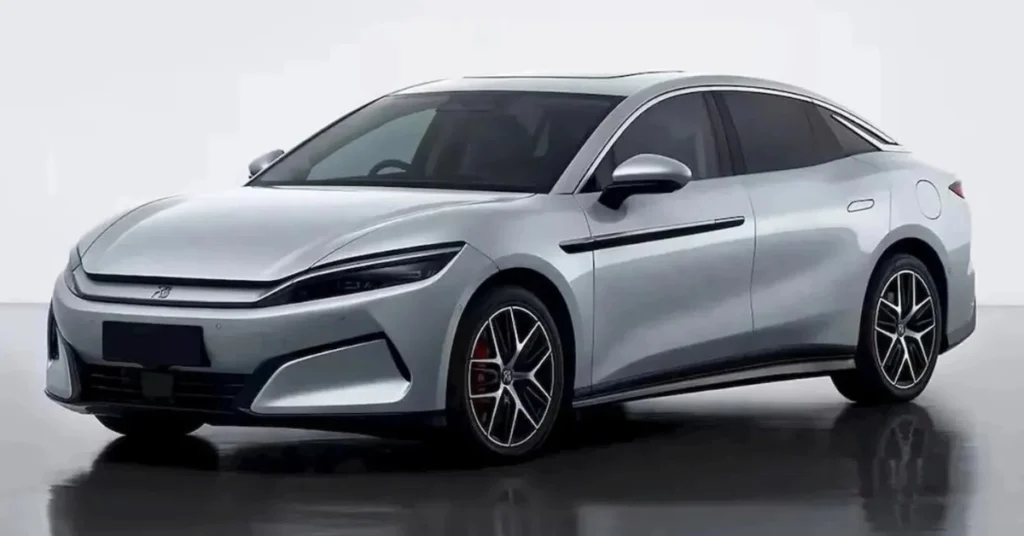
Image Source: ackodrive.com
400 Km In 5 Minutes BYD Flash Charging Overview
- BYD unveils flash charging technology capable of adding up to 400 km of range in about 5 minutes under optimal conditions.
- Built on the Super e-Platform with megawatt-level (up to 1,000 kW) charging and 800V+ architecture.
- A new-generation battery with advanced thermal management and safety features enables ultra-rapid energy transfer.
- Real-world results depend on charger availability, grid capacity, temperature, and driving conditions.
- Aims to eliminate range anxiety and make EVs as convenient as ICE vehicles for long trips.
BYD Flash Charging: 400 km in 5 Minutes—The Tech Behind Ultra-Rapid EV Replenishment
BYD has once again pushed the boundaries of electric vehicle charging with its groundbreaking flash charging technology, revealed earlier in 2025. The system promises to deliver up to 400 km of driving range in just around five minutes under ideal conditions, a figure that could fundamentally change how people think about EV ownership. This isn’t marketing hype alone—it’s rooted in a completely re-engineered Super e-Platform that combines megawatt-level charging power, high-voltage architecture, and advanced battery design to make ultra-fast energy transfer safe and practical.
For anyone tired of long charging stops on road trips or worried about range anxiety, BYD’s innovation addresses two of the biggest remaining hurdles for mainstream EV adoption. While the headline “400 km in 5 minutes” comes from controlled testing, the underlying technology represents a genuine leap forward in charging speed, potentially bringing EVs closer to the refueling convenience of petrol or diesel cars.
How BYD Flash Charging Works
The core of the system is a megawatt-level charging capability, reaching up to 1,000 kW (1 MW) of power. This is several times higher than today’s fastest public chargers, which typically peak at 350 kW or less.
Key enablers:
- 800V+ electrical architecture: Higher voltage reduces current, minimizing heat buildup and energy loss during charging.
- Next-generation battery: Specially developed cells with faster ion movement, superior thermal management, and robust safety controls to handle extreme power loads without degradation.
- Intelligent power management: The vehicle and charger communicate to optimize energy flow, preventing overheating or stress.
In a five-minute session, the system can transfer enough energy to add 400 km on standardized test cycles. Real-world gains will vary based on battery size, starting state of charge, temperature, and exact conditions, but the potential for dramatically shorter stops is clear.
The 400 km Claim: What It Really Means
The 400 km in 5 minutes figure is based on laboratory testing under optimal scenarios:
- Controlled ambient temperature
- Compatible megawatt charger
- Vehicle with large-capacity battery
- Starting from a low state of charge where acceptance rate is highest
In everyday use, results will be lower—perhaps 200-300 km depending on factors like cold weather (which slows charging) or high initial charge level. Still, even half the headline number would make long-distance EV travel far more convenient than today’s 30-45 minute stops for similar range.
Infrastructure Challenges: The Missing Piece
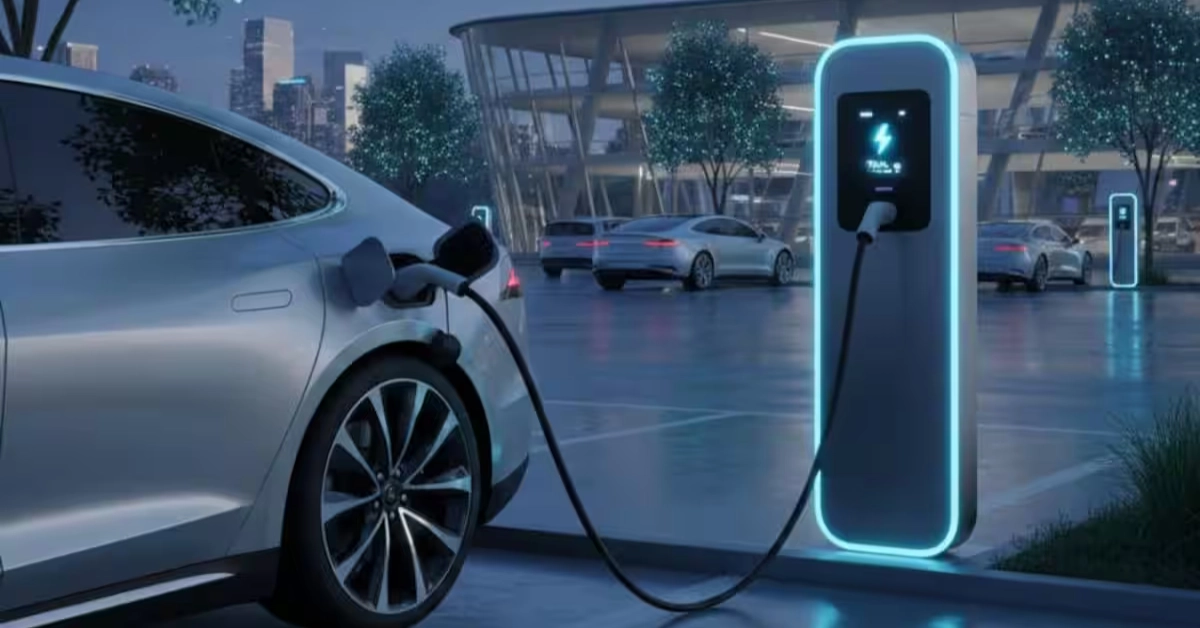
Flash charging’s full potential hinges on chargers capable of delivering 1 MW power. Current networks max out at 350-400 kW, and megawatt stations require:
- Major grid upgrades
- Advanced liquid cooling for cables and connectors
- Robust safety systems
BYD is working with partners to deploy such infrastructure, starting in high-demand areas like highways and fleet depots. Commercial applications (buses, trucks) may see earlier rollout due to controlled environments.
Comparison with Current Fast Charging
Today’s leaders, like Tesla Superchargers (250 kW) or Porsche/Taycan stations (350 kW) add roughly 200-300 km in 20-30 minutes. BYD’s flash system could theoretically cut that to 5-10 minutes for a similar range, bringing EV refueling closer to petrol pump times.
Real-World Benefits and Adoption Impact
If scaled successfully, flash charging could:
- Eliminate range anxiety for inter-city travel
- Boost EV appeal for ride-hailing and commercial fleets
- Reduce need for oversized batteries (lower cost/weight)
- Accelerate transition by matching ICE convenience
For daily commuters already charging at home, the benefit is less immediate, but for anyone planning longer journeys, it changes the equation dramatically.
The Bigger Picture: BYD’s Leadership in Charging Innovation
BYD isn’t new to charging breakthroughs—its Blade Battery and dual-gun systems already lead the industry. Flash charging builds on that foundation, positioning the company as a pacesetter in making EVs truly practical for everyone.
While widespread megawatt chargers are years away, the technology demonstrates what’s possible. As infrastructure catches up, BYD vehicles equipped for flash charging will be ready to exploit it, giving owners a significant advantage.
In a world still debating EV viability, BYD’s 400 km in 5 minutes isn’t just a spec—it’s a statement that the future of electric driving can be as convenient as today, only cleaner.
Source: timesnownews.com
Read more about Ev Car News
Also Read
- MG Windsor Big Discounts Jan 2026: First-Ever Offers Make It Cheaper Than Launch Price
- JSW Motors To Enter Passenger Car Space In June With Rs 45 Lakh Plug-In Hybrid SUV

- Maruti Suzuki Second Car Plant Gujarat Investment: ₹4,960 Crore for 10 Lakh Unit Capacity

- India’s EV Sales Reach 2.3 Million Units in 2025, 8 Percent of New Vehicles: Strong Growth Led by Two-Wheelers
- VinFast Off to a Fast Start, Crosses 1k EV Sales in India: Milestone in Just Four Months
- What Happens To EV Battery After End-Of-Life?