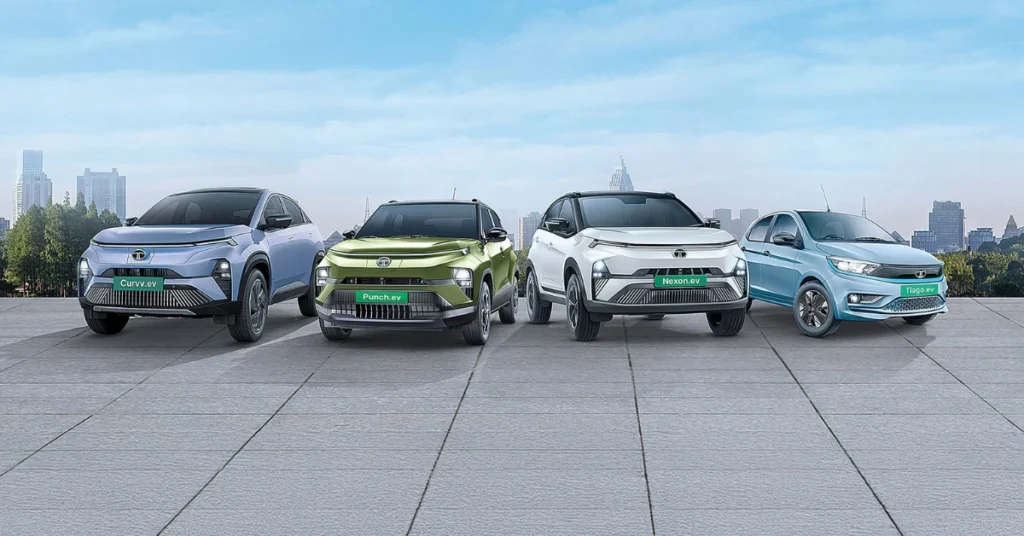
Tata Motors Crosses 250000 EV Sales in India: Overview
- Tata Motors reaches 250,000 cumulative EV sales in India through its TATA.ev arm, leading the market with a 66% share.
- EVs now operate in over 1,000 towns and cities; 84% of owners use them as primary vehicles, and 26% are first-time car buyers.
- Fleet has covered 12 billion km, saving 1.7 million tonnes of CO₂ and 800 million litres of fuel; average usage 20,000 km/year, with 26,000 vehicles crossing 100,000 km.
- Current portfolio: Tiago.ev, Punch.ev, Nexon.ev, Curvv.ev, Harrier.ev, plus XPRES-T EV for fleets.
- Upcoming launches: Sierra.ev and the new Punch.ev in CY26, the Avinya range by the end of CY26, and five new EV nameplates by FY30.
- Charging ecosystem: 2 lakh points (home, community, public); 20,000+ public chargers; 100 MegaCharging Hubs (>120 kW) on key corridors.
- Service network: 1,500 EV-dedicated bays, 5,000+ trained technicians, and 50%+ components localised including battery packs and BMS.
Tata Motors Hits 250,000 EV Milestone: India’s EV Leader Prepares Sierra.ev and Avinya for Next Phase
Tata Motors has achieved a historic landmark in India’s electric mobility journey. On December 20, 2025, the company announced that its TATA.ev division has crossed 250,000 cumulative electric vehicle sales across the country. This impressive figure reflects not just volume but real-world acceptance: TATA.ev vehicles are now running in more than 1,000 towns and cities, proving that electric mobility is no longer limited to metros but is reaching every corner of India.
The milestone is even more meaningful when you look at customer behaviour. 84 percent of TATA.ev owners use their electric vehicles as their primary car, not just a secondary option. Over 26 percent of buyers are first-time car owners, showing how Tata’s EVs are bringing new people into the world of car ownership. Owners drive an average of 20,000 kilometers per year, and around 26,000 vehicles have already crossed the 100,000-kilometer mark—clear proof of reliability and everyday usability.
Collectively, the Tata EV fleet has covered an astonishing 12 billion kilometers, delivering massive environmental benefits by saving an estimated 1.7 million tonnes of CO₂ and 800 million liters of fuel. These numbers underline Tata Motors’ leadership in India’s electric passenger vehicle market, where it has commanded about a 66 percent share since launching the groundbreaking Nexon.ev in 2020—the first Indian EV to cross 100,000 cumulative sales.
Current Portfolio and Real-World Performance
Tata Motors offers a strong lineup that covers different needs:
- Tiago.ev—affordable city runabout
- Punch.ev—a compact SUV for urban families
- Nexon.ev—India’s most popular EV
- Curvv.ev—stylish coupe-SUV
- Harrier.ev—premium electric SUV
- XPRES-T EV—a dedicated fleet solution for commercial use
The portfolio has been carefully designed to appeal to a wide range of buyers, from young first-time owners to families and fleet operators. The fact that so many owners choose EVs as their main vehicle shows growing confidence in Tata’s technology, range, charging support, and service network.
Charging and Service Ecosystem: The Backbone of Trust
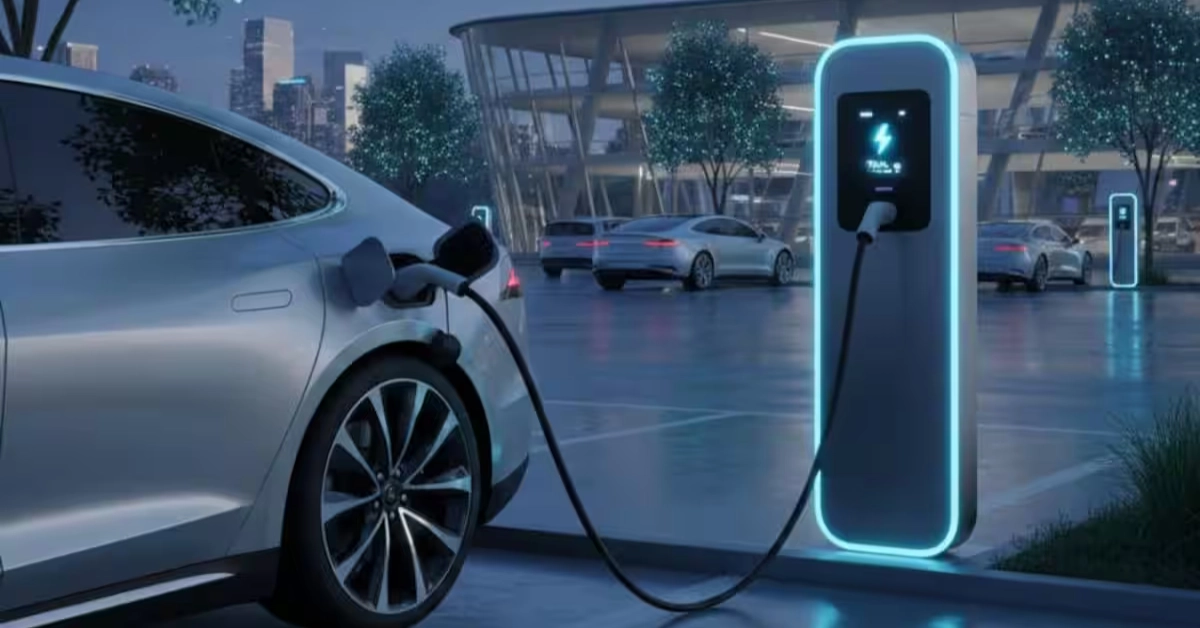
Tata Motors has invested heavily in making EV ownership hassle-free. The company has set up over 2 lakh charging points through home, community, and public options. Its charging aggregator network covers more than 20,000 public chargers, while 100 MegaCharging Hubs with speeds above 120 kW are operational across major corridors, making long-distance travel easier and more reliable.
On the service side, Tata operates around 1,500 EV-dedicated service bays across the country, supported by more than 5,000 trained EV technicians. More than 50 percent of components in its EVs are locally manufactured, including high-voltage battery packs and battery management systems developed in collaboration with Tata Group companies. This focus on localisation helps reduce costs, improve supply chain reliability, and create jobs.
Next Phase: Sierra.ev, Avinya, and Five New EVs by FY30
Tata Motors is not resting on its achievements. The company is preparing the next wave of electric models:
- Sierra.ev—an exciting new addition expected in CY26.
- A refreshed Punch. ev also planned for CY26.
- The revolutionary Avinya range is scheduled for launch by the end of CY26.
By FY30, Tata aims to introduce five new EV nameplates and update its existing lineup, further strengthening its position in India’s fast-growing electric market.
Charging infrastructure will also expand dramatically. Tata targets 400,000 charging points by CY27 and one million by 2030, while advancing battery reuse, refurbishment, and localisation through partnerships like Agratas’ upcoming gigafactory in Sanand.
Shailesh Chandra’s Vision: Mainstreaming Electric Mobility
Shailesh Chandra, Managing Director and CEO, Tata Motors Passenger Vehicles Ltd., shared his thoughts on the milestone: “Crossing 250,000 EV sales reflects how electric mobility is fast becoming part of everyday Indian life. As EV adoption accelerates, our commitment remains clear: to mainstream electric mobility by making it accessible across segments, strengthening the ecosystem, and investing in India-first technology and localisation.”
Why This Milestone Matters for India’s EV Future
Crossing 250,000 sales is more than a number—it is proof that EVs are moving from novelty to necessity in India. Tata’s leadership, strong ecosystem, and focus on customer trust are key reasons behind this success. As the company prepares new models like Sierra.ev and Avinya, and continues to build charging and service networks, it is setting the stage for even faster adoption in the years ahead.
For Indian buyers, Tata’s journey shows that reliable, practical, and locally supported electric vehicles are no longer a distant dream—they are here, and they are ready for everyday use.
Source: cnbctv18.com
Read more about Ev Car News
Also Read
- MG Windsor Big Discounts Jan 2026: First-Ever Offers Make It Cheaper Than Launch Price
- JSW Motors To Enter Passenger Car Space In June With Rs 45 Lakh Plug-In Hybrid SUV

- Maruti Suzuki Second Car Plant Gujarat Investment: ₹4,960 Crore for 10 Lakh Unit Capacity

- India’s EV Sales Reach 2.3 Million Units in 2025, 8 Percent of New Vehicles: Strong Growth Led by Two-Wheelers
- VinFast Off to a Fast Start, Crosses 1k EV Sales in India: Milestone in Just Four Months
- What Happens To EV Battery After End-Of-Life?