Image source: thehindubusinessline.com
Maruti Suzuki Localise EV Components: Overview of the Article
- Maruti Suzuki announces plans to localise battery production and key EV components in a phased manner over the next few years.
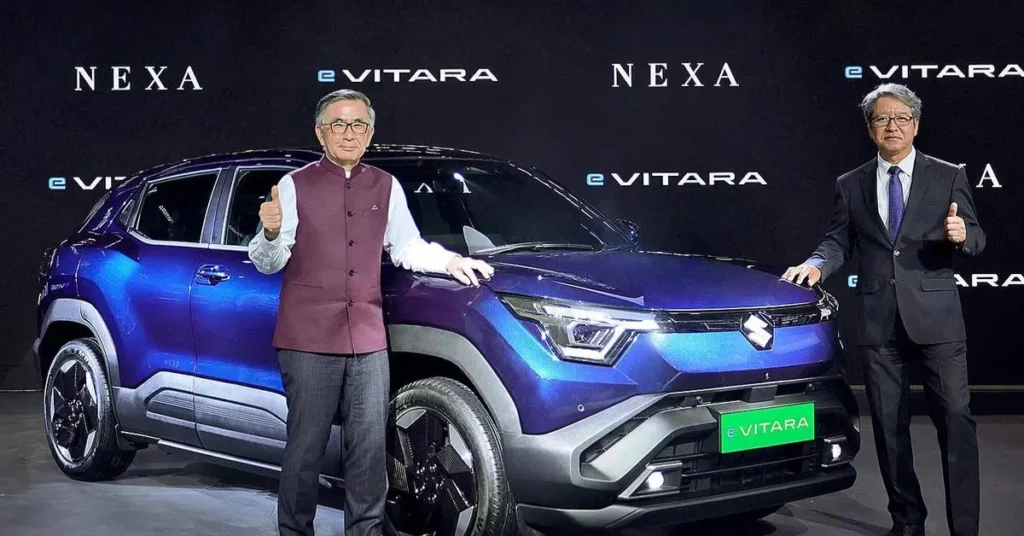
- The first EV e-Vitara is set for India launch next year (2026); exports are already underway with 10,000 units shipped to 26 markets.
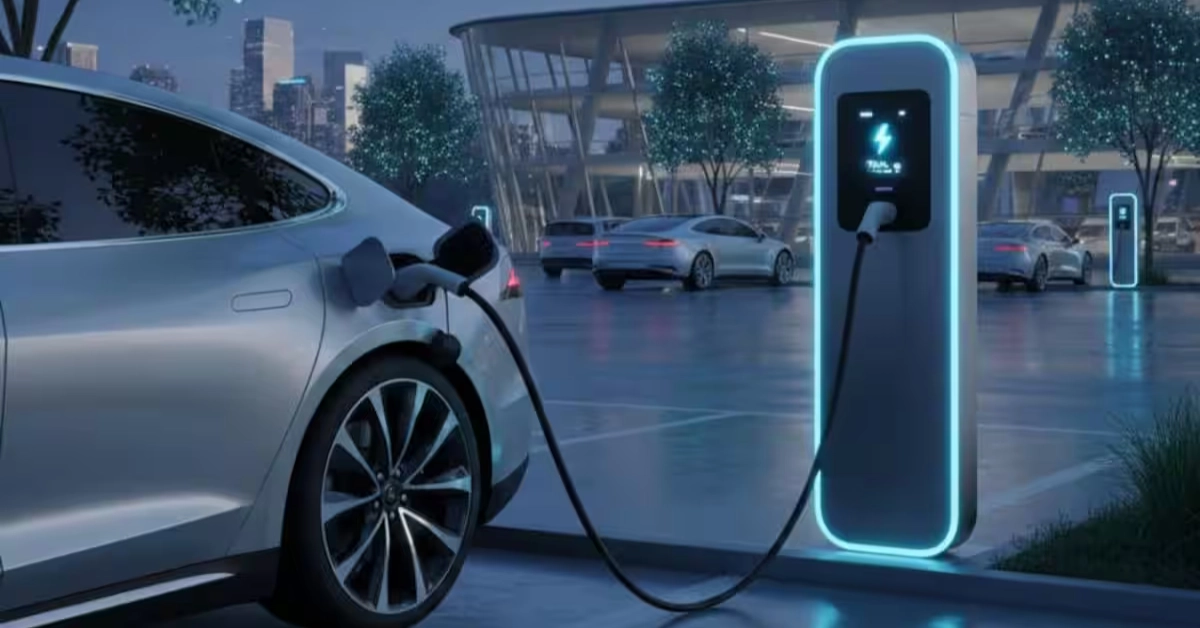
- Focus on building buyer confidence through charging infrastructure (2,000 points set up, targeting 1 lakh by 2030), after-sales (1,500 EV-enabled workshops in 1,100 cities), and resale support (assured buyback and subscription schemes).
- Challenges: Range anxiety, inadequate public charging, after-sales issues, and resale value concerns.
- By FY30: 5 EV models in portfolio; EV penetration projected at 13-15% (subject to reassessment post-GST changes).
Maruti Suzuki’s Bold EV Push: Localisation on Cards as e-Vitara Nears India Debut
Maruti Suzuki, India’s undisputed car market leader, is gearing up for its electric chapter with a clear roadmap to make EVs more viable for mainstream buyers. In statements made on December 14, 2025, Senior Executive Officer (Marketing & Sales) Partho Banerjee confirmed that the company will localise battery production and other critical EV components in a phased approach over the next few years. Currently relying on imports for batteries, this shift aims to slash costs, reduce dependency, and strengthen the domestic ecosystem—perfectly timed with the upcoming launch of Maruti’s first pure electric vehicle, the e-Vitara, in India next year.
The e-Vitara, already rolling off lines for exports (10,000 units shipped to 26 global markets), marks Maruti’s serious entry into electrification. But executives acknowledge the road ahead is bumpy: EVs remain mostly secondary vehicles for buyers due to lingering doubts over range, charging availability, service, and resale. Banerjee stressed, “The electric vehicle penetration in India will grow only when the consumer has the confidence to buy it as a primary car in the household.” To bridge this gap, Maruti is attacking on multiple fronts, from localization to ecosystem building, signaling a long-term commitment beyond just launching models.
Localisation Strategy: Phased Rollout for Cost and Confidence
“Right now we are importing the batteries, but yes, we have a plan for localization. It is very much on the cards in a phased manner over the next few years,” Banerjee told reporters. This isn’t vague ambition—it’s a calculated move to bring down EV ownership costs, making them competitive with petrol/diesel rivals on total expense, not just upfront price.
Localizing batteries (the priciest EV part) and components like motors, inverters, and controllers will:
- Cut import duties and currency risks.
- Enable volume-based price reductions.
- Align with government PLI schemes for advanced automotive tech.
- Boost “Make in India” content, potentially qualifying for incentives.
While details on partners or timelines remain guarded, the phased approach suggests starting with non-core parts before tackling full battery packs—mirroring industry trends where firms like Tata and Hyundai are ramping up domestic cells.
Building the Ecosystem: Charging, Service, and Resale Assurance
Maruti knows hardware alone won’t win hearts—the full ownership experience must shine.
Key initiatives:
- Charging Infrastructure: Already deployed 2,000 points; ambitious target of 1 lakh stations by 2030 via dealer partners and operators.
- After-Sales Network: 1,500 EV-enabled workshops across 1,100 cities for specialised servicing.
- Resale Confidence: Assured buyback and subscription schemes to ease depreciation fears.
Banerjee highlighted pain points: “The initial products that were launched, and the experiences from those, have created a huge amount of negativity in the minds of people regarding the driving range.” Public infra gaps force EVs into secondary roles, but Maruti’s ecosystem push aims to make them primary choices.
The Bigger Roadmap: Five EVs by FY30
Maruti envisions five EV models across body styles by FY30, when industry volumes hit 5.5-6 million units and EV penetration reaches 13-15% (pre-GST 2.0 estimates; now under review as higher taxes may slow growth). This portfolio expansion, starting with e-Vitara, positions Maruti to retain leadership in a shifting market.
Exports success—10,000 e-Vitara units already abroad—proves global competitiveness, with the Gujarat plant gearing for higher volumes.
Challenges and the Path to Mainstream EVs
Banerjee was candid: “We are trying to instill confidence in the customers before they acquire an EV. If the buyer is not confident about the entire ecosystem, he will not buy an EV.” Range anxiety, patchy public charging, service gaps, and resale woes top the list. GST hikes post-2.0 could further dent momentum, prompting reassessment.
Yet, Maruti’s multi-pronged attack—localization for affordability, infra for convenience, and service for peace of mind—addresses these head-on. As Banerjee urged, “OEMs should first make the products good, have a good after-sales service, and create a good ecosystem.”
Why This Matters for Indian Buyers
For millions eyeing their first EV, Maruti’s plans promise reliable, cost-effective options from a trusted brand with India’s widest network. Localization could shave lakhs off prices long-term, while ecosystem investments make ownership hassle-free. The e-Vitara’s arrival next year kicks off this era—watch for competitive pricing, strong range, and Maruti’s legendary reliability in electric form.
India’s EV story is evolving from niche to normal, and Maruti Suzuki is determined to lead the charge.
Source: economictimes.indiatimes.com
Read more about EV Car News
Also Read
- MG Windsor Big Discounts Jan 2026: First-Ever Offers Make It Cheaper Than Launch Price
- JSW Motors To Enter Passenger Car Space In June With Rs 45 Lakh Plug-In Hybrid SUV

- Maruti Suzuki Second Car Plant Gujarat Investment: ₹4,960 Crore for 10 Lakh Unit Capacity
- India’s EV Sales Reach 2.3 Million Units in 2025, 8 Percent of New Vehicles: Strong Growth Led by Two-Wheelers
- VinFast Off to a Fast Start, Crosses 1k EV Sales in India: Milestone in Just Four Months
- What Happens To EV Battery After End-Of-Life?