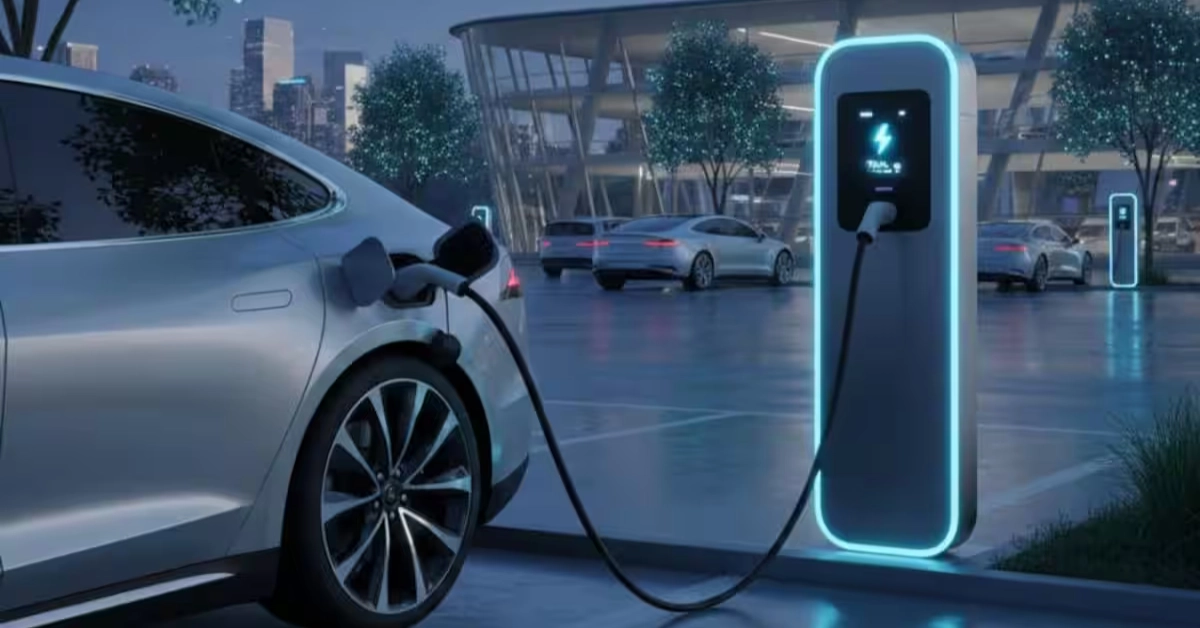
Image source: acko.com
Motor Vehicle Sensor Market Surge: Overview
- The Global Motor Vehicle Sensor Market is projected to explode from USD 31.48 billion in 2023 to USD 931.47 billion by 2032, with a staggering 45.70% CAGR (2024–2032), per the Introspective Market Research report.
- Growth is driven by ADAS proliferation, EV/autonomous vehicle adoption, and strict safety/emissions regulations.
- Asia-Pacific leads (China, Japan, Southeast Asia); passenger cars dominate, and commercial vehicles are the fastest-growing.
- Pressure sensors hold the largest share; LiDAR/radar/camera is the fastest-growing for autonomy.
- Challenges: semiconductor shortages, high integration costs, cybersecurity risks.
Motor Vehicle Sensors: The Hidden Heroes Powering a USD 931 Billion Market by 2032
The humble sensor is quietly becoming the most valuable component in modern vehicles. According to the latest Introspective Market Research report released on December 14, 2025, the global Motor Vehicle Sensor Market is on track for an astonishing transformation, ballooning from USD 31.48 billion in 2023 to a massive USD 931.47 billion by 2032. This explosive growth, powered by a 45.70% compound annual growth rate over the forecast period, represents one of the most dramatic expansions in any automotive segment, turning sensors from supporting actors into the undisputed stars of vehicle architecture.
These tiny devices—pressure, inertial, gas, temperature, position, LiDAR, radar, camera, and MEMS types—have evolved from nice-to-have extras to mission-critical elements that enable everything from life-saving collision avoidance to hyper-efficient powertrain management. As vehicles grow smarter, safer, and greener, sensors form the nervous system that feeds real-time data to ADAS, autonomous driving systems, battery optimization, emissions control, and connected services. The report calls this a “seismic shift,” and the numbers back it up: rising fuel prices, exploding EV sales, aggressive model launches, and tough global regulations are converging to create unprecedented demand.
Dr. Marcus Klein, Principal Consultant at Introspective Market Research, captured the essence: “Sensors are the sensory nervous system of the modern automobile. Without them there is no safety, no autonomy, and no real connectivity. As vehicles transition toward electrification and autonomy, the sheer volume and complexity of sensor integration are redefining vehicle architecture. Companies that innovate in high-accuracy, AI-enabled sensing technologies will command strategic advantage in the next decade.”
Market Breakdown: Segments, Regions, and Growth Drivers
The surge is broad-based but concentrated in high-impact areas.
Key segments include:
- Sensor Types: Pressure sensors lead by installed base (engine, tyre, safety systems), while LiDAR, radar, and camera systems are the fastest-growing thanks to autonomy demands.
- Vehicle Types: Passenger cars dominate revenue due to sheer volume and feature richness, but commercial vehicles (trucks, buses) are accelerating fastest as fleets electrify and adopt telematics.
- Regions: Asia-Pacific reigns supreme, driven by massive production in China, Japan, and Southeast Asia, plus booming EV adoption in India. North America and Europe follow strongly with advanced safety mandates and premium autonomy features. Emerging markets like Latin America and the Middle East & Africa grow via fleet upgrades and aftermarket.
Growth drivers are clear:
- ADAS and Safety Mandates: Features like automatic emergency braking, lane-keeping, and blind-spot detection now require dense sensor arrays.
- Electrification Boom: EVs pack more sensors for battery thermal management, regenerative braking, and energy optimisation.
- Autonomy Push: Level 2+ and Level 3 systems rely on fused LiDAR, radar, and vision data for perception.
- Connectivity Wave: 5G and V2X demand robust sensing for predictive maintenance and over-the-air updates.
Latest Innovations and Industry Moves
Leading players are racing to stay ahead:
- Robert Bosch, Continental, Denso, Infineon, and NXP expand portfolios with AI-edge computing and 5G-ready sensors.
- Luminar Technologies unveiled compact Halo LiDAR for seamless roofline integration, slashing cost and size for mass ADAS/autonomy.
- OEMs partner with chip giants for real-time sensor fusion, blending radar, camera, and ultrasonic streams for smoother semi-autonomous driving.
A real-world case: A European logistics fleet fitted heavy-duty EVs with full sensor suites (pressure, inertial, camera, and radar) and saw 15% fewer collisions, 12% better energy efficiency, and 20% less downtime via predictive diagnostics.
Challenges Holding Back the Full Surge
For all the promise, hurdles remain:
- Semiconductor Volatility: Global chip shortages and supply disruptions inflate costs and delay builds.
- Integration Complexity: Higher sensor counts raise development, validation, and vehicle prices.
- Regulatory Divergence: Varying safety standards across regions complicate certification.
- Cybersecurity Threats: Connected sensors open new attack vectors, demanding robust protection.
These pressures, especially China’s controls on materials like synthetic graphite, underscore the need for diversified supply chains and domestic innovation.
The Road to 2032: A Sensor-Driven Automotive Revolution
By 2032, nearly every new vehicle will bristle with dozens of sensors, turning driving into a safer, cleaner, smarter experience. Passenger cars will lead volume, but commercial fleets could surprise with rapid uptake for efficiency gains. Asia-Pacific’s dominance will deepen as China and India scale gigafactories, while North America and Europe premiumise with autonomy-focused tech.
Introspective Market Research sees this as more than growth — it’s a fundamental rewire of mobility. Sensors will not just monitor vehicles; they will enable them to think, adapt, and protect. For stakeholders, the message is clear: invest in accuracy, AI integration, and resilience to capture a share in this trillion-dollar future.
Source: timestech.in
Read more about EV Car News
Also Read
- MG Windsor Big Discounts Jan 2026: First-Ever Offers Make It Cheaper Than Launch Price
- JSW Motors To Enter Passenger Car Space In June With Rs 45 Lakh Plug-In Hybrid SUV

- Maruti Suzuki Second Car Plant Gujarat Investment: ₹4,960 Crore for 10 Lakh Unit Capacity

- India’s EV Sales Reach 2.3 Million Units in 2025, 8 Percent of New Vehicles: Strong Growth Led by Two-Wheelers
- VinFast Off to a Fast Start, Crosses 1k EV Sales in India: Milestone in Just Four Months
- What Happens To EV Battery After End-Of-Life?