Image source: ackodrive.com
Maharashtra Toll Exemption Electric Vehicles: Overview
- Maharashtra Assembly Speaker Rahul Narwekar orders toll exemptions for EVs at all state plazas within 8 days, with immediate refunds for past charges.
- The issue was raised by MLA Shankar Jagtap amid delays; Energy Minister Dada Bhuse cites technical hurdles but promises quick fixes.
- The directive issued on December 10, 2025, during the assembly discussion fulfills the government’s long-pending promise to boost EV adoption.
- The speaker also pushes for expansion and upgrades to EV charging stations statewide to match rising demand.
- Aims to cut costs for EV users, encourage green mobility, and address infrastructure gaps in India’s EV push.
Maharashtra Accelerates EV Revolution: Toll Waivers in 8 Days Plus Major Charging Push
In a decisive push to make electric vehicles more attractive for everyday commuters and fleet operators, Maharashtra’s State Assembly Speaker Rahul Narwekar issued a firm directive on December 10, 2025, mandating the implementation of toll exemptions for all EVs across the state’s toll plazas within the next eight days. This long-awaited move, sparked by persistent delays in honoring the government’s promise, also requires immediate refunds for any toll fees already collected from EV owners. Coming amid a heated assembly discussion, the order underscores the growing urgency to support India’s green transport shift, where high toll costs have been a hidden barrier to widespread EV adoption.
The announcement could not come at a better time. With fuel prices soaring and pollution levels choking cities like Mumbai and Pune, more Maharashtrians are turning to electric two-wheelers, cars, and rickshaws for affordable, eco-friendly rides. Yet, without incentives like toll waivers, the math often tipped back toward petrol and diesel. Narwekar’s intervention flips that script, potentially saving EV drivers hundreds of rupees per trip on major highways like the Mumbai-Pune Expressway. By tying the government to its word, this directive not only eases wallets but also signals a serious commitment to building a robust EV ecosystem in one of India’s most industrialized states.
The Spark in the Assembly: From Question to Quick Action
| Key Figure | Role and Contribution |
|---|---|
| MLA Shankar Jagtap | Raised the issue, questioning delays in toll exemption enforcement |
| Speaker Rahul Narwekar | Issued 8-day deadline for waivers and refunds; emphasized government accountability |
| Minister Dada Bhuse | Acknowledged technical delays; assured prompt system upgrades |
The drama unfolded during Wednesday’s assembly session when MLA Shankar Jagtap took the floor to grill the government on why the promised toll relief for EVs remained a pipe dream. His pointed query highlighted months of foot-dragging, frustrating thousands of early EV adopters who had switched expecting these perks. Speaker Narwekar, seizing the moment, laid down the law: “The government announced toll exemptions for electric vehicles, and it must now follow through on that promise. I am directing that toll charges for EVs be waived at all toll booths across the state within eight days, and the toll amounts already collected should be refunded to the vehicle owners.”
Narwekar’s no-nonsense tone left no room for excuses. He made it crystal clear that every toll plaza, from urban gateways to rural connectors, must comply by December 18, 2025. For EV owners hit by past collections—perhaps during test drives or early commutes—refunds will flow swiftly, restoring trust in the system. This assembly showdown is a win for transparency, showing how vocal representation can fast-track policy from promise to practice.
Technical Hiccups to High Hopes: Minister’s Assurance and Next Steps
Energy Minister Dada Bhuse stepped up earlier in the debate, owning the delays with candor. He explained that backend glitches in toll-collection software and verification systems had slowed rollout but vowed to iron them out pronto. “The necessary technical improvements would be made promptly, ensuring that the system is fully operational in the near future,” Bhuse reassured the house. His words, paired with Narwekar’s deadline, paint a picture of urgency: expect software updates, EV-plate scanners, and operator training to kick in over the coming week.
For now, the focus shifts to execution. Toll authorities like the Maharashtra State Road Development Corporation (MSRDC) and National Highways Authority of India (NHAI) will need to sync up, updating barriers and databases to auto-detect EV number plates. Non-compliance? It could invite assembly scrutiny or public backlash, given the spotlight. Early adopters, from Mumbai’s techies to Nagpur’s traders, stand to gain most—imagine shaving Rs 200-500 off monthly highway runs, tipping the scales toward EVs for good.
Beyond Tolls: A Call for Charging Infrastructure Overhaul
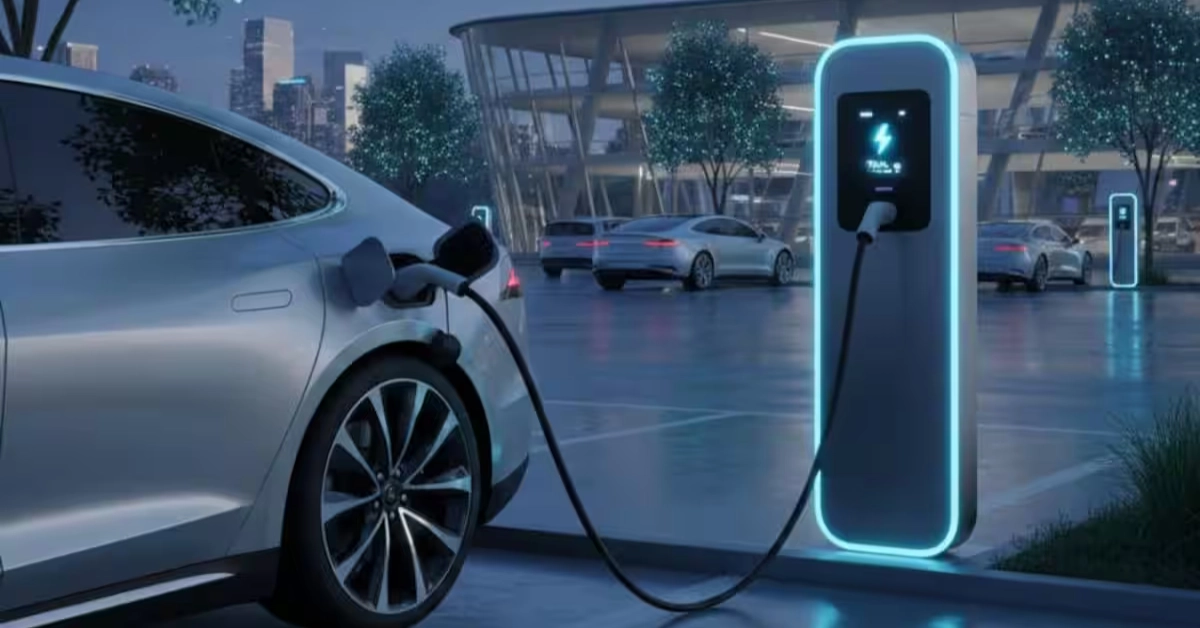
Narwekar did not stop at waivers; he zeroed in on the other EV elephant in the room: charging deserts. With sales booming—Maharashtra registered over 1 lakh EVs in 2025 alone—stations lag far behind. “To support the growing use of electric vehicles, it is crucial that the number of charging stations across Maharashtra be increased. Existing stations must also be upgraded to meet the rising demand for charging services,” he declared. This dual punch addresses the full user journey: save on tolls en route, and plug in worry-free at destinations.
The speaker’s vision? A statewide network blending fast chargers at malls and highways with slow bays in residential pockets. Upgrades mean beefier capacities—think 60 kW units replacing outdated 7 kW ones—to cut wait times from hours to minutes. This ties into national efforts like PM E-Drive, but Narwekar’s push adds local muscle, potentially unlocking state funds or PPPs for rapid builds. For rural routes and tier-2 cities like Nashik or Kolhapur, it could mean the difference between EV curiosity and commitment.
| Infrastructure Priority | Current Challenge | Proposed Action |
|---|---|---|
| Charging Stations | Limited numbers, low capacity | Increase count statewide; upgrade existing |
| Toll Integration | Delayed exemptions, manual collections | Auto-waivers via tech; full refunds |
| EV Support Ecosystem | Range anxiety, uneven distribution | Focus on high-demand urban/rural corridors |
Why This Matters: Fueling Maharashtra’s Green Shift
Maharashtra, India’s EV sales leader with 20% of the national share, is at a tipping point. Tolls eat 10-15% of highway costs; waiving them could boost EV registrations by 20-30%, per industry estimates. Refunds add goodwill, while charging expansions tackle the “where to plug” puzzle, vital for two-wheelers (80% of EVs here). Broader wins? Cleaner air in smoggy Mumbai, slashed oil imports (saving Rs 500 crore yearly statewide), and jobs in charger installs and maintenance.
Challenges linger: tech glitches could recur, and rural grids strain under demand. But with assembly eyes on, accountability is high. This 8-day sprint is more than policy—it’s a promise kept, propelling Maharashtra toward 30% EV penetration by 2030.
Source: indiatvnews.com
Read more about Ev Car News
Also Read
- MG Windsor Big Discounts Jan 2026: First-Ever Offers Make It Cheaper Than Launch Price
- JSW Motors To Enter Passenger Car Space In June With Rs 45 Lakh Plug-In Hybrid SUV
- Maruti Suzuki Second Car Plant Gujarat Investment: ₹4,960 Crore for 10 Lakh Unit Capacity
- India’s EV Sales Reach 2.3 Million Units in 2025, 8 Percent of New Vehicles: Strong Growth Led by Two-Wheelers
- VinFast Off to a Fast Start, Crosses 1k EV Sales in India: Milestone in Just Four Months
- What Happens To EV Battery After End-Of-Life?
- India’s EV Retail Rose 77% YoY Dominated by SUVs: Strong Growth in 2025 Passenger Segment