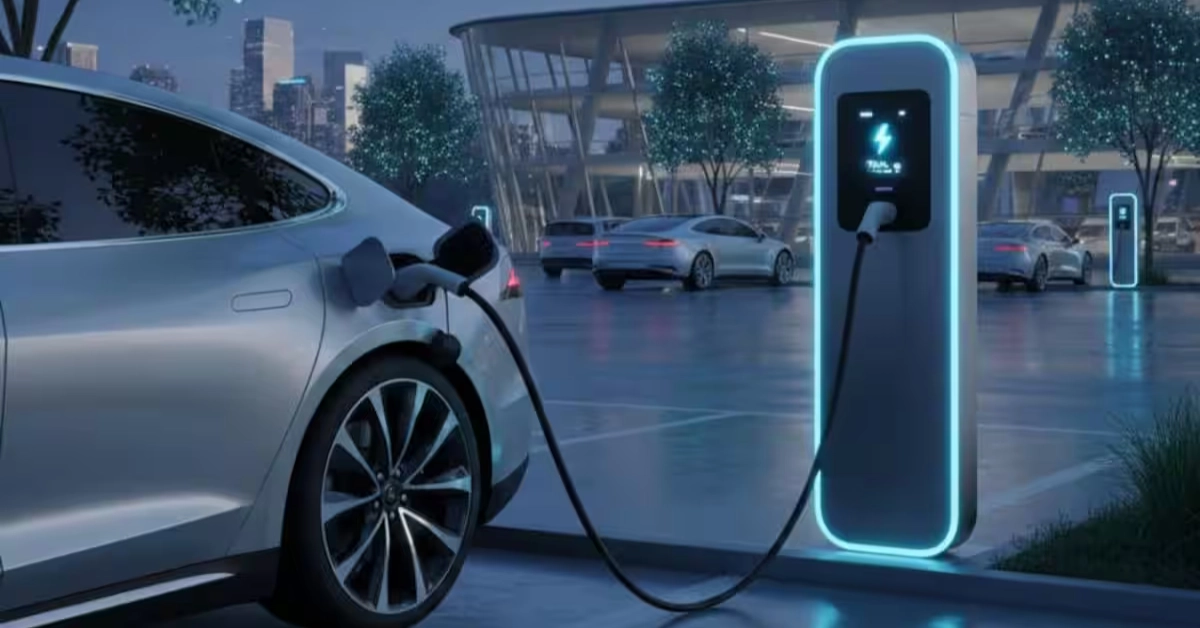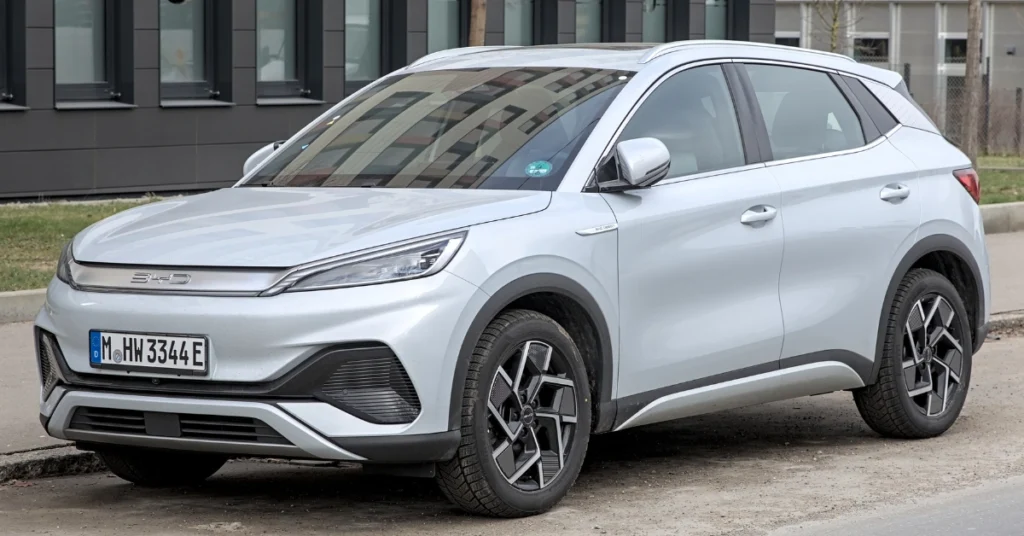
Chinese Brands Capture 30% India’s EV Market Share: Overview
- Chinese-backed brands now hold 33.3% of India’s electric passenger vehicle market—up from almost zero just 18 months ago.
- JSW Motor + MG, BYD, and Volvo together posted 165% YoY growth (Jan–Oct 2025), while the overall EV market grew 87%.
- Without Chinese-backed brands, India’s EV market growth would have been only 63% — they are literally driving more than half the expansion.
- Tata Motors dominance crashed from 85% to below 67% in record time.
- More Chinese giants (Chery via JSW, Leapmotor via Stellantis) and massive ₹26,000 crore investments are coming by 2030.
The Silent Chinese Takeover Nobody Saw Coming
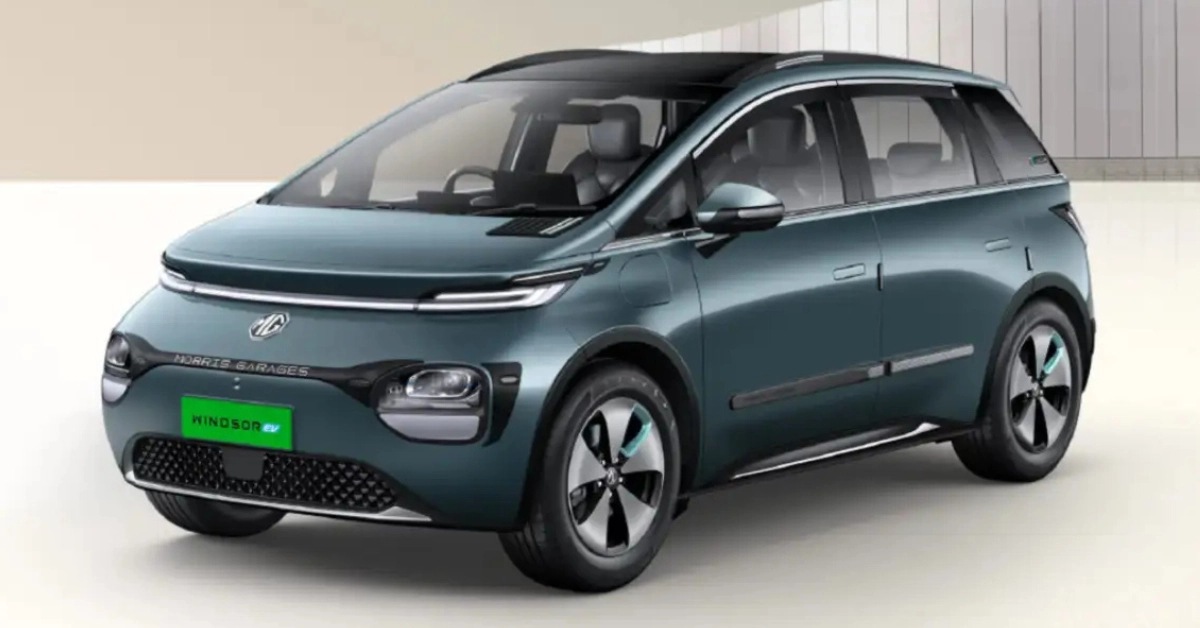
Just 18 months ago, if you bought an electric car in India, there was an 85% chance it was a Tata. Fast forward to October 2025 and the picture has completely flipped. According to the latest FADA data, one out of every three electric passenger vehicles sold in India now has Chinese DNA. The big three — JSW-MG, BYD, and Volvo (heavily backed by Geely) — collectively control 33.3% of the market and are growing at a blistering 165% year-on-year.
To put that in perspective:
| Brand Group | Market Share | YoY Growth (Jan–Oct 2025) | Key Models |
|---|---|---|---|
| JSW-MG + Volvo + BYD | 33.3% | +165% | ZS EV, Comet, Atto 3, Seal, EX30, XC40 Recharge |
| Rest of the market (mostly Tata) | 66.7% | +63% (without Chinese brands) | Nexon EV, Tiago EV, Punch EV |
In simple terms: Chinese-backed brands are responsible for more than half of India’s entire EV growth story in 2025. Without them, the market would look sluggish instead of explosive.
How They Did It — Money, Speed, and Aggression
| Brand | Parent/Partner | Investment/Plan | Current Status |
|---|---|---|---|
| MG Motor | SAIC + JSW | ₹26,000 crore joint venture, 25 new models by 2030 | 300+ touchpoints, ZS EV & Comet bestsellers |
| BYD | BYD (100% Chinese) | Planning local plant, 47 showrooms in 40 cities | 500–550 units/month, Seal & Atto 3 in demand |
| Volvo | Geely (China) | Premium positioning | XC40 Recharge & EX30 gaining traction |
While Tata was busy perfecting the Nexon EV facelift, Chinese-backed players were:
- Opening hundreds of new showrooms every quarter
- Launching one new model after another (Comet, ZS EV facelift, Atto 3, Seal, EX30)
- Offering longer range, faster charging, and more features at the same or lower price
- Aggressively expanding charging networks and service reach
The result? A customer walking into a mall today has far more tempting options than just Tata.
The ICE Market Is Dying — EVs Are Exploding
| Segment | Growth (2025) |
|---|---|
| Electric Passenger Vehicles | +87% |
| Without Chinese brands | +63% |
| Internal Combustion Engine | –1.4% (Apr–Sep) |
While petrol and diesel cars continue to decline, the EV revolution is being supercharged by players who were barely on the radar two years ago.
The Next Wave Is Already Loading
| Incoming Player | Chinese Partner | Expected Timeline | Price Range |
|---|---|---|---|
| Leapmotor (Stellantis) | Leapmotor | 2026–2027 | ₹15–30 lakh |
| Chery (JSW new brand) | Chery | 2027 | ₹8 lakh onwards |
| BYD local plant | BYD | Under discussion | Sharper pricing |
That means the current 33.3% could easily become 50%+ by 2028–2030, especially with ₹26,000 crore of fresh investment flowing in.
Tesla? Still Warming Up
Meanwhile, the much-hyped Tesla entry has been surprisingly quiet — just 104 Model Y units sold in the first two months and a single showroom in Gurugram. The real action, for now, is clearly coming from the East.
What This Means for Indian Buyers
More choices, better technology, faster charging, longer range, and — most importantly — falling prices. The aggressive competition is forcing everyone (including Tata) to up their game, launch new models faster, and cut margins. The ultimate winner? The Indian consumer who now gets world-class electric cars at prices that were unimaginable just two years ago.
The Race Has Just Begun
India’s electric dream was once a Tata monopoly. Today, it is a wide-open battlefield where Chinese-backed warriors are charging ahead with money, speed, and sheer product firepower. The next five years will decide who truly owns India’s electric future — and right now, the momentum is clearly on the side of the new challengers from the East.
Source: trak.in
Read more about Ev Car News
Also Read
- MG Windsor Big Discounts Jan 2026: First-Ever Offers Make It Cheaper Than Launch Price
- JSW Motors To Enter Passenger Car Space In June With Rs 45 Lakh Plug-In Hybrid SUV
- Maruti Suzuki Second Car Plant Gujarat Investment: ₹4,960 Crore for 10 Lakh Unit Capacity
- India’s EV Sales Reach 2.3 Million Units in 2025, 8 Percent of New Vehicles: Strong Growth Led by Two-Wheelers
- VinFast Off to a Fast Start, Crosses 1k EV Sales in India: Milestone in Just Four Months
- What Happens To EV Battery After End-Of-Life?
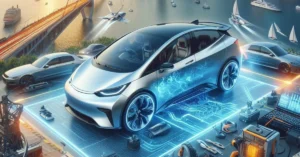
Catchy Title for the Image: “30% and Counting: How Chinese Brands Conquered India’s EV Roads in Just 18 Months”