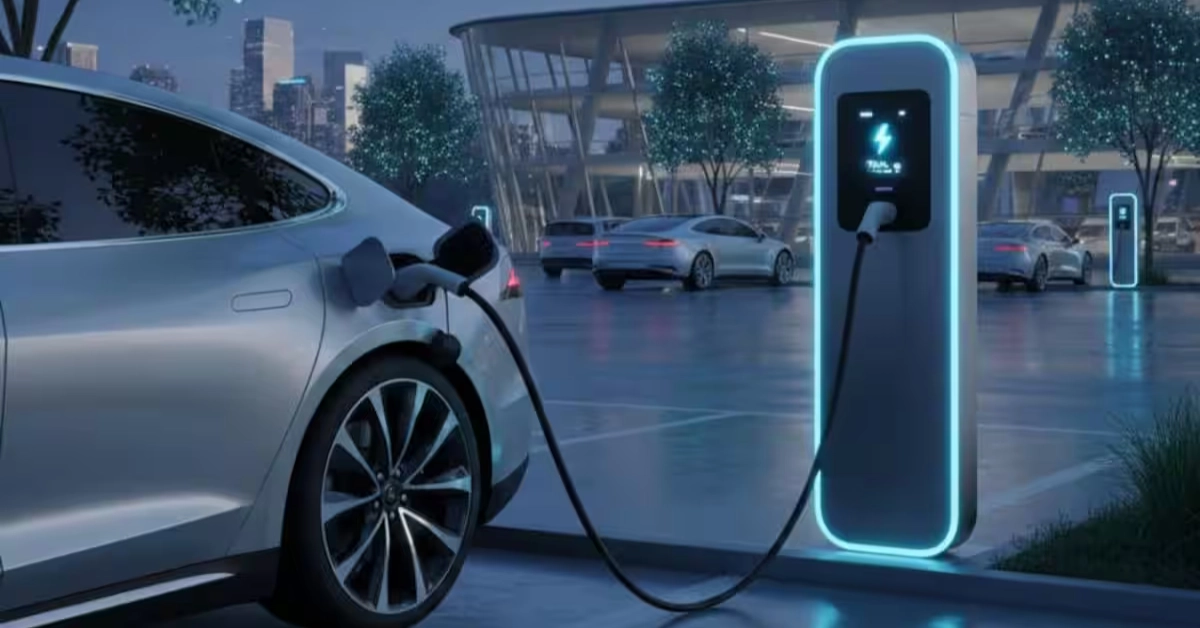
Kerala PM E-DRIVE EV Charging Stations: Overview
- Kerala identifies 340 new sites for EV charging stations under the national PM E-DRIVE scheme.
- Land provided by government bodies like BSNL (91 sites), KSRTC, ISRO, and other public sector undertakings.
- Potential subsidy of up to ₹300 crore from the Union Government’s ₹2,000 crore allocation for states.
- Full funding for infrastructure, including power lines, transformers, and modern chargers.
- Aims to strengthen the EV network on highways, attract e-cargo vehicles, and promote sustainable logistics in Kerala.
Kerala Steps Up EV Infrastructure with 340 New Charging Sites Under PM E-DRIVE
In a significant move to accelerate electric vehicle adoption, Kerala has identified 340 new locations across the state for setting up advanced EV charging stations as part of the Centre’s PM E-DRIVE (PM Electric Drive Revolution in Innovative Vehicle Enhancement) scheme. This initiative, announced in late 2025, leverages land from various government and public sector entities to build a robust network that will make charging easier and more accessible. By focusing on highways and key routes, Kerala aims to draw more electric cargo vehicles, cut down on pollution from logistics, and position itself as a leader in sustainable transportation.
The Kerala State Electricity Board (KSEB) is the nodal agency driving this project, coordinating with partners to ensure quick rollout. This comes under the broader PM E-DRIVE scheme, which has a national outlay of ₹10,900 crore (with ₹2,000 crore dedicated to public charging infrastructure). If approved fully, Kerala could receive subsidies worth up to ₹300 crore, covering the complete cost of setting up these stations—from power connections and transformers to high-tech charging equipment.
| Key Project Details | Information |
|---|---|
| Number of New Locations | 340 |
| Major Land Providers | BSNL (91 sites), KSRTC, ISRO, other govt/PSUs |
| Expected Subsidy for Kerala | Up to ₹300 crore |
| National Allocation for Charging | ₹2,000 crore |
| Coverage Focus | National highways, major freight routes, urban areas |
| Funding Scope | 100% for infrastructure (power lines, transformers, chargers) |
Strong Institutional Support: Land from Public Giants
One of the standout features is the enthusiastic backing from central and state bodies. BSNL alone has offered 91 sites, while KSRTC and ISRO have committed land for stations. Other government departments and public sector undertakings are also chipping in, ensuring prime locations without the delays of private land acquisition.
Revenue from these charging centres will be shared with the land-owning institutions, and contracts will prioritize those offering higher revenue shares. This smart model incentivizes participation and ensures long-term maintenance. A second phase will open up opportunities for private landowners, broadening the network even further.
How This Fits into PM E-DRIVE and Kerala’s Green Goals
The PM E-DRIVE scheme, launched to replace earlier programs like FAME, runs with a focus on EVs, e-buses, and charging infrastructure. Nationally, it aims for thousands of fast chargers across categories:
- 22,100 for four-wheelers
- 1,800 for e-buses
- 48,400 for two/three-wheelers
Kerala’s push aligns perfectly, especially with related projects like the Kerala e-Truck Project to electrify freight movement. By expanding chargers on major routes, the state wants to make electric trucks viable for logistics companies, reducing diesel dependence and creating cleaner, cheaper transport options.
| PM E-DRIVE National Charging Targets | Number of Fast Chargers |
|---|---|
| Electric Four-Wheelers | 22,100 |
| E-Buses | 1,800 |
| Electric Two/Three-Wheelers | 48,400 |
| Total Subsidy Outlay for Infrastructure | ₹2,000 crore |
Benefits for EV Users and the Environment
For drivers, more stations mean less range anxiety—quick top-ups on long trips or daily commutes. Modern setups will include fast chargers compatible with all EV types, supporting the growing fleet of electric cars, bikes, and trucks.
On the eco front, this will slash emissions from transport, a major polluter. It also boosts Kerala’s tourism and trade by making the state EV-friendly, attracting green-conscious visitors and businesses.
The Road Ahead: From Identification to Operation
With sites mapped out, the next steps involve approvals, tendering, and construction. Income-sharing and priority for efficient operators will keep things competitive and sustainable. As private participation opens in phase two, the network could grow even faster.
Kerala’s proactive approach under PM E-DRIVE is a model for other states—turning policy into real infrastructure that drives the EV revolution forward.
News and image Source: english.mathrubhumi.com
Read more about EV Car News
Also Read
- MG Windsor Big Discounts Jan 2026: First-Ever Offers Make It Cheaper Than Launch Price
- JSW Motors To Enter Passenger Car Space In June With Rs 45 Lakh Plug-In Hybrid SUV
- Maruti Suzuki Second Car Plant Gujarat Investment: ₹4,960 Crore for 10 Lakh Unit Capacity
- India’s EV Sales Reach 2.3 Million Units in 2025, 8 Percent of New Vehicles: Strong Growth Led by Two-Wheelers
- VinFast Off to a Fast Start, Crosses 1k EV Sales in India: Milestone in Just Four Months
- What Happens To EV Battery After End-Of-Life?
Catchy Title for the Image: “Kerala Charges Ahead: 340 New EV Stations Powering Green Dreams”