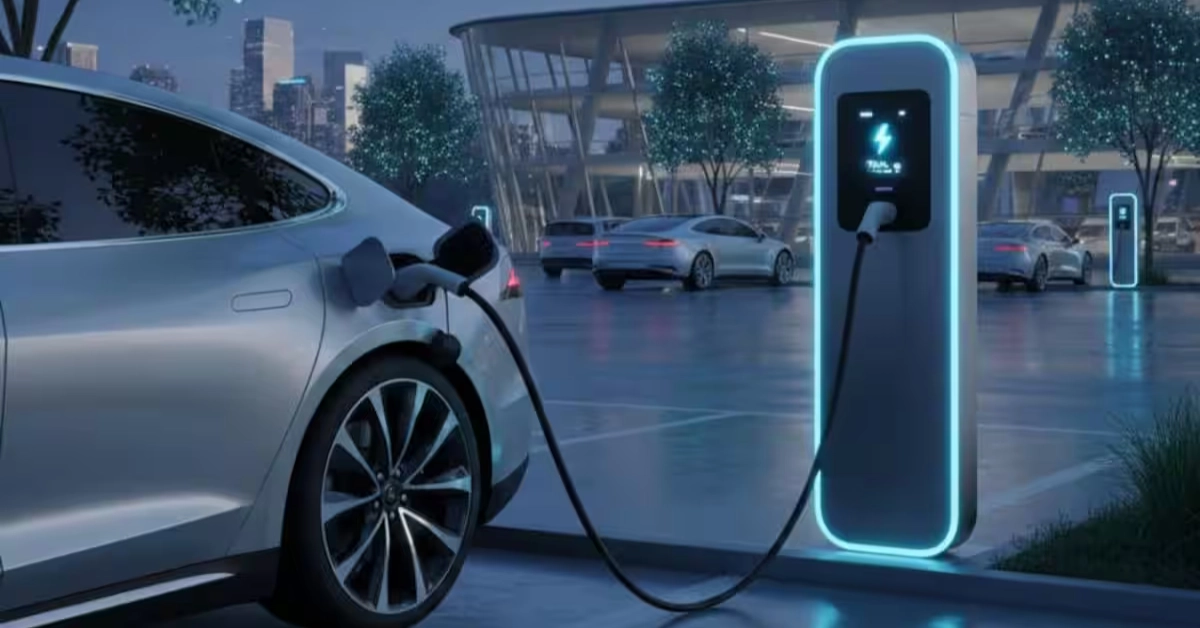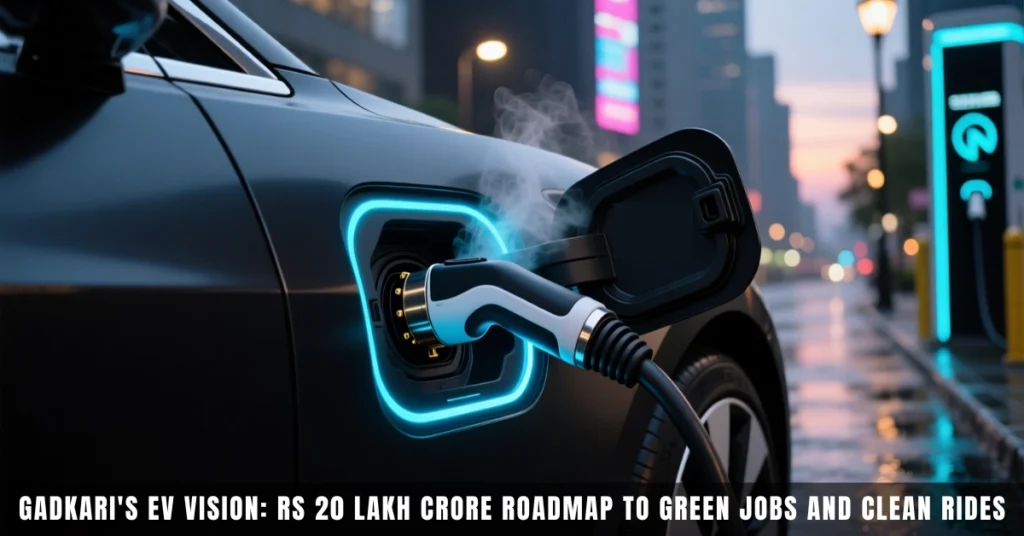
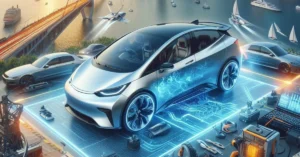
AI-generated image for reference
India EV Market Rs 20 Lakh Crore by 2030 Overview
- Nitin Gadkari forecasts India’s EV market to hit Rs 20 lakh crore by 2030, driving annual sales of 1 crore vehicles and creating 5 crore new jobs.
- Currently, 57 lakh EVs are registered, with 2024-25 sales surging: cars up 20.8%, two-wheelers 33%, and three-wheelers 18% vs slower petrol/diesel growth.
- Lithium-ion battery costs dropped to USD 55 per kWh from USD 150, boosted by 6 million tonnes reserves in Jammu & Kashmir (6% of global total).
- The government eyes biofuel, alternative fuels, and hydrogen to cut the Rs. 22 lakh crore fossil import bill and pollution, aiming to turn India into an energy exporter.
- Over 400 startups entered the electric two-wheeler space, up 21% from 2024, fueling innovation.
Nitin Gadkari’s Bold Vision: India’s EV Market Set for Rs 20 Lakh Crore Explosion
On December 4, 2025, Union Road Transport and Highways Minister Nitin Gadkari painted an exciting picture for India’s electric vehicle future during a session in the Lower House of Parliament. Replying to a question from BJP MP PC Mody about the EV sector’s growth, he shared upbeat data and projections that highlight how fast the country is shifting gears toward green mobility. With EVs already proving popular, Gadkari stressed that this trend will not just clean up the air but also supercharge the economy through massive job creation and reduced reliance on imported fuels.
Gadkari kicked off by noting the solid foundation already in place. Right now, 57 lakh EVs are zooming around Indian roads, a clear sign of rising trust in battery-powered rides. And the momentum is building even faster in the current fiscal year, 2024-25. Sales numbers tell the story: EV car sales jumped by a strong 20.8 percent, leaving petrol and diesel variants trailing at just 4.2 percent growth. For two-wheelers, the favorite for millions in cities and villages, EV sales soared 33 percent compared to a modest 14 percent for traditional bikes. Even three-wheelers, like auto-rickshaws buzzing through urban streets, saw 18 percent EV growth against 6 percent for fuel-based ones. These figures show EVs are not just a niche; they are outpacing old-school options and reshaping how India moves.
Looking ahead, Gadkari’s forecast is nothing short of transformative. He predicted the entire EV market could balloon to Rs 20 lakh crore by 2030, fueled by annual vehicle sales hitting 1 crore units. That kind of scale would ripple through the economy, creating as many as 5 crore new jobs in manufacturing, charging infrastructure, battery production, and related services. Imagine factories humming in every state, workshops training young workers, and startups innovating new designs – all powered by the EV boom. This growth aligns perfectly with India’s push for self-reliance, or Atmanirbhar Bharat, turning a once-heavy oil importer into a hub for clean tech exports.
Why EVs Are Winning: Surging Sales and Startup Surge
The minister’s optimism is backed by real on-the-ground shifts. In 2024-25 alone, the EV space has seen explosive interest, especially in two-wheelers, where over 400 startups have jumped in, marking a 21 percent rise from the previous year. These nimble companies are bringing affordable, zippy options to the masses, from delivery riders needing quick charges to families seeking low-cost daily commutes. This startup wave is injecting fresh ideas, like swappable batteries and app-based rentals, making EVs accessible beyond big cities.
Gadkari also highlighted how falling costs are fueling this fire. When India first bet big on EVs, lithium-ion batteries—the heart of every electric ride—cost a steep USD 150 per kilowatt-hour. Today, that price has plummeted to USD 55 per kWh, thanks to global supply chains and tech advances. This drop makes EVs cheaper to build and buy, closing the gap with petrol vehicles. And there is even better news on the horizon: India has discovered 6 million tonnes of lithium reserves in Jammu and Kashmir, which is about 6 percent of the world’s total. The Mining Ministry is fast-tracking extraction, while research teams explore alternatives like sodium-ion, aluminum-ion, and zinc-ion batteries. These homegrown resources could slash import dependence and keep prices low for years, giving Indian makers a global edge.
Government’s Green Fuel Strategy: From Importer to Exporter
Gadkari did not stop at EVs; he zoomed out to the bigger energy picture. Right now, India shells out a whopping Rs 22 lakh crore yearly on fossil fuel imports, which not only strains the wallet but also chokes the air with pollution. He shared a personal touch, mentioning how even in Delhi, where he often visits, the smog is a daily headache. To fight this, the government is laser-focused on biofuels and alternative fuels, with hydrogen as the futuristic star. Gadkari is confident that under Prime Minister Narendra Modi‘s leadership, India will flip the script—from a top energy importer to a proud exporter of clean solutions.
This multi-prong approach means blending EVs with other greens like ethanol-blended petrol and compressed biogas. It is about building a resilient system where vehicles run cleaner, roads stay less congested, and rural areas get affordable power from biomass. By 2030, these efforts could save billions in fuel bills, cut carbon emissions, and create a healthier environment for generations. Gadkari urged automakers to ramp up production without skimping on quality, promising that demand—both at home and abroad—is sky-high as the world races toward net-zero goals.
A Quick Note on Parliament’s Busy Day
While Gadkari fielded EV questions, the fourth day of the Parliament session saw action elsewhere too. Union Finance Minister Nirmala Sitharaman tabled the Health Security as National Security Cess Bill, 2025, for debate and passage in the Lower House. This proposed law aims to raise funds for national security and public health by slapping a cess on machines and processes used to make certain goods. It is a clever way to link economic activity with vital protections, ensuring resources flow where they are needed most in an unpredictable world.
The Road Ahead: EVs as India’s Economic Engine
Gadkari’s words are a rallying cry for India’s green revolution. With EVs poised to hit Rs 20 lakh crore, jobs pouring in at 5 crore, and homegrown lithium unlocking new potentials, the stage is set for a mobility makeover. But success hinges on smart policies, like expanding charging networks and subsidizing clean tech. As sales outpace petrol in key segments, everyday Indians stand to gain from cheaper runs, fresher air, and more opportunities. This is not just about vehicles; it is about powering a stronger, sustainable nation. Keep watching as startups and giants alike accelerate toward 2030.
Source: republicworld.com
Read more about EV Car News
Also Read
- MG Windsor Big Discounts Jan 2026: First-Ever Offers Make It Cheaper Than Launch Price
- JSW Motors To Enter Passenger Car Space In June With Rs 45 Lakh Plug-In Hybrid SUV
- Maruti Suzuki Second Car Plant Gujarat Investment: ₹4,960 Crore for 10 Lakh Unit Capacity
- India’s EV Sales Reach 2.3 Million Units in 2025, 8 Percent of New Vehicles: Strong Growth Led by Two-Wheelers
- VinFast Off to a Fast Start, Crosses 1k EV Sales in India: Milestone in Just Four Months
- What Happens To EV Battery After End-Of-Life?
Catchy Title for the Image: “Gadkari’s EV Vision: Rs 20 Lakh Crore Roadmap to Green Jobs and Clean Rides”