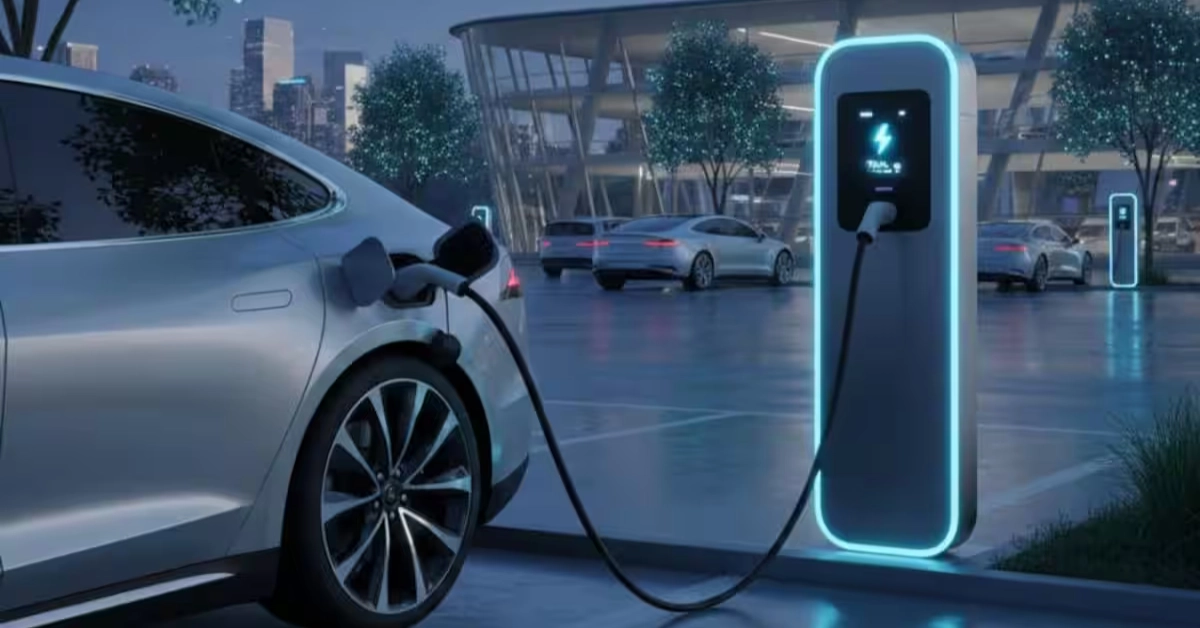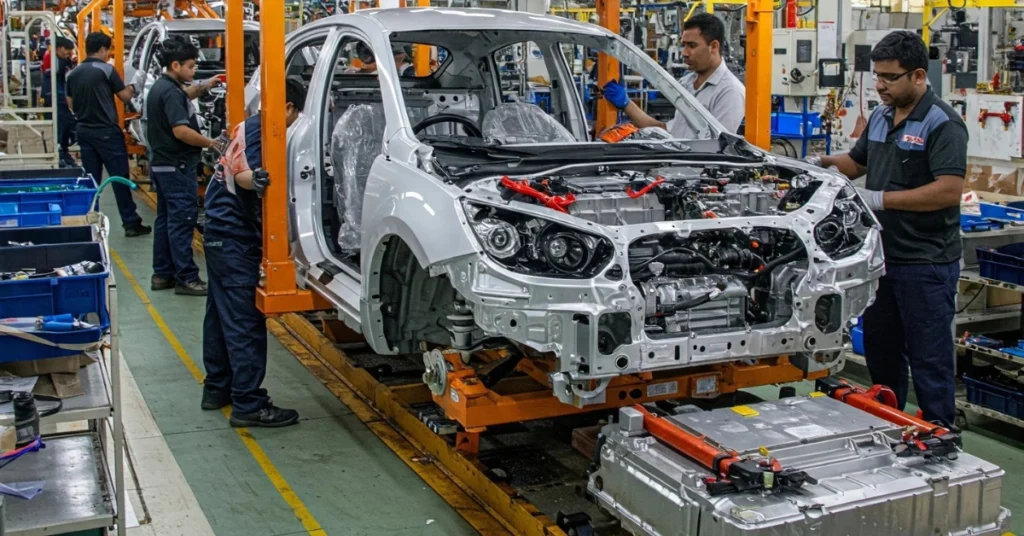
Image source: autocarpro.in
India Electric Car Scheme Zero Applications Overview
- India’s government scheme to boost electric car production received no applications from car makers.
- Companies cited issues like ongoing trade talks, rules on key materials, and tight investment deadlines as reasons for not applying.
- The scheme is part of a larger incentive program to make India a hub for green vehicles.
- Officials held talks with industry leaders, but there are no plans yet to reopen applications.
- The program will run for five years, with potential for future interest from companies.
Why No Companies Applied
India aims to lead in electric vehicles to reduce pollution and dependence on imported oil. However, the Ministry of Heavy Industries told Parliament that no original equipment manufacturers, or OEMs, applied for the Scheme for Promotion of Manufacturing Electric Cars in India. The application window closed in October 2025, leaving the government without any takers.
Key Barriers Cited by Automakers
OEMs shared their concerns directly with the government. A major issue is the ongoing free trade agreement talks between India and the European Union. Many companies rely on parts from Europe, and they want clarity on trade rules before committing to build factories in India.
Another challenge involves rare earth magnets, which are vital for electric car motors. Import restrictions make it hard to meet the scheme’s domestic value addition targets, where a certain percentage of the car’s value must come from local production.
Finally, the required investments are high, with strict timelines. Large companies must commit at least 2,000 crore rupees for four-wheelers over five years, which can be tough to arrange quickly.
Recent Steps and Future Outlook
The government organized a stakeholder consultation with electric car makers to discuss solutions. This meeting allowed open talks on fixing the problems. However, the ministry stated there is no current plan to reopen the application process.
Sources indicate that if OEMs show more interest later, the government might accept new applications. The scheme remains active for five years, giving room for adjustments and potential success in boosting local electric car production.
Understanding the Broader Auto PLI Scheme
This electric car initiative falls under the Production Linked Incentive, or PLI, scheme for the auto sector, approved in 2021. The total budget is 26,058 crore rupees, with 25,929 crore rupees for automobiles and components.
Two Main Components of the Scheme
The PLI has two key parts to encourage advanced technology.
Champion OEM Incentive Scheme
This targets makers of battery electric vehicles and hydrogen fuel cell vehicles. Companies can earn incentives up to 18 percent based on sales, provided they meet investment and production goals.
Component Champion Incentive Scheme
This focuses on advanced parts like high-voltage connectors, charging ports, sensors, electronic steering, automatic transmissions, and safety features. Similar incentives apply for qualifying manufacturers.
Eligibility Requirements
To join, companies face strict criteria. Large OEMs need global revenue of at least 10,000 crore rupees and must invest 2,000 crore rupees for four-wheelers or 1,000 crore rupees for two-wheelers over five years.
Auto parts makers require 500 crore rupees in revenue and a 150 crore rupees investment commitment. Non-auto investors with a 1,000 crore rupees global net worth can also qualify.
What This Means for India’s EV Future
This zero-application outcome highlights the need for better alignment between government policies and industry needs. Easing trade barriers, relaxing material rules, and extending timelines could attract more players. With time left in the scheme, India still has a chance to rev up its electric vehicle industry and contribute to a greener future.
Source: cnbctv18.com
Read more about EV Car News
Also Read
- MG Windsor Big Discounts Jan 2026: First-Ever Offers Make It Cheaper Than Launch Price
- JSW Motors To Enter Passenger Car Space In June With Rs 45 Lakh Plug-In Hybrid SUV
- Maruti Suzuki Second Car Plant Gujarat Investment: ₹4,960 Crore for 10 Lakh Unit Capacity
- India’s EV Sales Reach 2.3 Million Units in 2025, 8 Percent of New Vehicles: Strong Growth Led by Two-Wheelers
- VinFast Off to a Fast Start, Crosses 1k EV Sales in India: Milestone in Just Four Months
- What Happens To EV Battery After End-Of-Life?
Catchy Title for the Image: “Empty Roads Ahead for India’s EV Manufacturing Push”